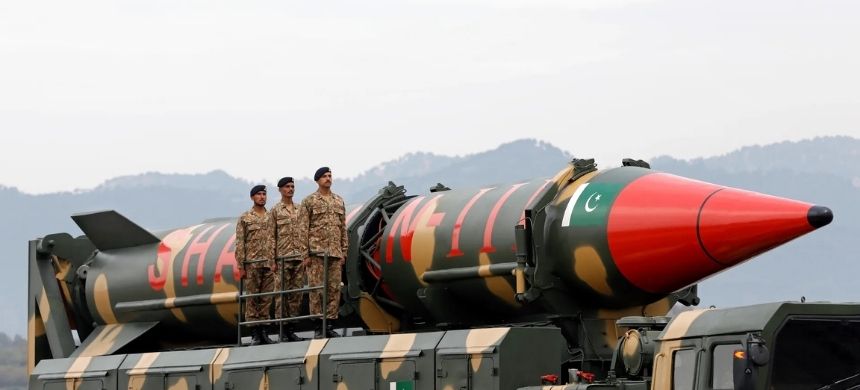
US Director of National Intelligence Tulsi Gabbard identified Pakistan as a growing missile threat to Washington. She warned that Pakistan’s long-range weapons development could eventually put the US within range, highlighting its ballistic missile programs capable of carrying nuclear and conventional payloads. Presenting the 2026 Annual Threat Assessment to the Senate Intelligence Committee, Gabbard noted Pakistan could develop intercontinental-range missiles, placing it alongside Russia, China, North Korea, and Iran in the US threat outlook.
Gabbard also projected that missile threats to the US would rise sharply over the next decade, with overall dangers expected to increase significantly by 2035. Analysts, including Shuja Nawaz, noted that Pakistan’s Shaheen-III missile range is below 2,800 km and questioned any rationale for targeting the US, warning such statements could strain US-Pakistan ties. Michael Kugelman added that Pakistan was mentioned alongside multiple countries, so the threat should not be overstated.
The report also highlighted South Asia as a regional security concern, noting potential crises between Pakistan and India, ongoing cross-border militancy, and instability along the Pakistan-Afghanistan border. Additionally, Gabbard discussed Iran, noting its military capacity has weakened but remains capable of threatening US and allied interests in the Middle East.
Also Read: Trump Acknowledges Pakistan’s Strategic Importance