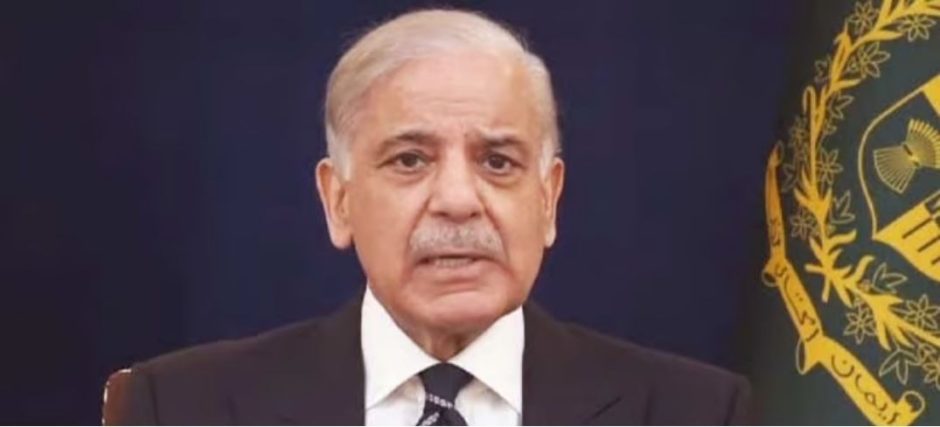
Prime Minister Shehbaz Sharif on Monday announced a series of major energy-saving measures in response to rising tensions in the Middle East and the risk of a potential energy crisis. These measures include a three-day weekend for government offices, a 50% work-from-home arrangement, and two weeks of school holidays.
In a televised address to the nation, Sharif highlighted the severe regional instability, particularly in Iran and other parts of the Middle East, noting the human suffering, displacement, and threats to peace. He expressed concern over the loss of lives and emphasized Pakistan’s diplomatic efforts to help reduce regional tensions.
The prime minister also addressed domestic security challenges, including cross-border terrorism originating from Afghanistan. He praised Pakistan’s armed forces, led by Chief of Army Staff Gen Syed Asim Munir, for protecting the country’s sovereignty and citizens’ lives and property, paying tribute to their dedication on behalf of the nation.
Sharif condemned Israeli attacks that led to the martyrdom of Ayatollah Ali Khamenei, his family members, and innocent Iranians, expressing solidarity with Iran. He also denounced violent incidents affecting other Muslim nations such as Saudi Arabia, Qatar, Kuwait, Bahrain, the UAE, Turkiye, and Azerbaijan, describing the loss of human life as deeply alarming.
He reaffirmed Pakistan’s commitment to supporting Muslim countries, emphasizing that their security and stability are intertwined with Pakistan’s own. Highlighting the economic consequences, Sharif explained that regional crises quickly affect global energy markets. He noted crude oil prices have surged from around $60 to over $100 per barrel, threatening further increases.
Sharif stressed that Pakistan’s economy, agriculture, industry, transport, and daily life heavily depend on Gulf oil and gas supplies. The government has implemented fiscal discipline and energy sector reforms to manage the crisis but has limited influence over global oil prices. Wars directly impact energy markets, and Pakistan is not immune to these pressures.
The prime minister admitted the recent fuel price increase was difficult but necessary, balancing economic realities with protecting vulnerable populations. He said a larger hike had been advised, but the government chose a moderate approach to lessen the burden on citizens.