Iran is reportedly moving toward a decision on its next supreme leader following the assassination of Ali Khamenei in US–Israeli strikes. The process, however, remains tense and politically charged as senior clerics navigate the complex succession.
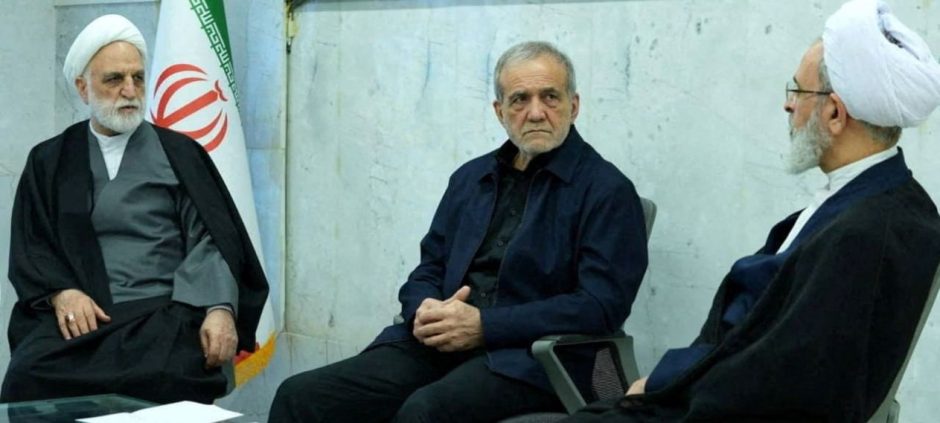
Senior cleric Mohammad Mirbagheri stated that the majority of clerics appear to support Mojtaba Khamenei as a prospective successor. Still, he acknowledged that “some obstacles” remain before the appointment can be finalised, reflecting the delicate balance of influence and opposition within the clerical establishment.
The Assembly of Experts, the senior clerical body tasked with choosing the country’s supreme leader, is reportedly close to making a decision. Ali Khamenei had led Iran since 1989, holding ultimate authority over the military, judiciary, and strategic foreign policy. His death marks a historic turning point for the Islamic Republic, which he helped position as a key power in Middle Eastern geopolitics.
Mojtaba Khamenei, the late leader’s son, has long wielded quiet influence behind the scenes and maintains strong ties with the powerful Islamic Revolutionary Guard Corps. These connections have elevated his profile in the succession debate, making him a prominent candidate for the top post.
However, his potential elevation has sparked debate within Iran. Critics argue that appointing the former leader’s son could resemble a dynastic succession, something the Iranian Revolution explicitly rejected when it overthrew the monarchy and established a clerically guided republic. Reports from opposition-linked media suggest that at least 14 members of the Assembly of Experts boycotted an earlier meeting, protesting what they described as undue pressure on the selection process.
Under Iran’s constitution, the Assembly must appoint a new supreme leader within three months of the position becoming vacant. With regional tensions rising and domestic uncertainty increasing, some senior clerics are reportedly pushing for a swift decision to stabilise the country’s leadership. Despite indications that many clerics may favour Mojtaba Khamenei, Iranian authorities have yet to confirm any official appointment. Until a final decision is announced, multiple contenders remain under consideration, highlighting the significance of this leadership transition for the future of the Islamic Republic.