Pakistan Railways has announced an increase in train fares across several categories following a sharp rise in diesel prices. Officials said the adjustment was unavoidable after fuel costs surged significantly, increasing operational expenses for the country’s rail network.
A spokesperson for Pakistan Railways explained that diesel prices have increased by nearly 20 percent, forcing the department to revise ticket prices to keep services running smoothly. Railways rely heavily on diesel-powered locomotives, and any rise in fuel prices directly affects operational costs across the network.
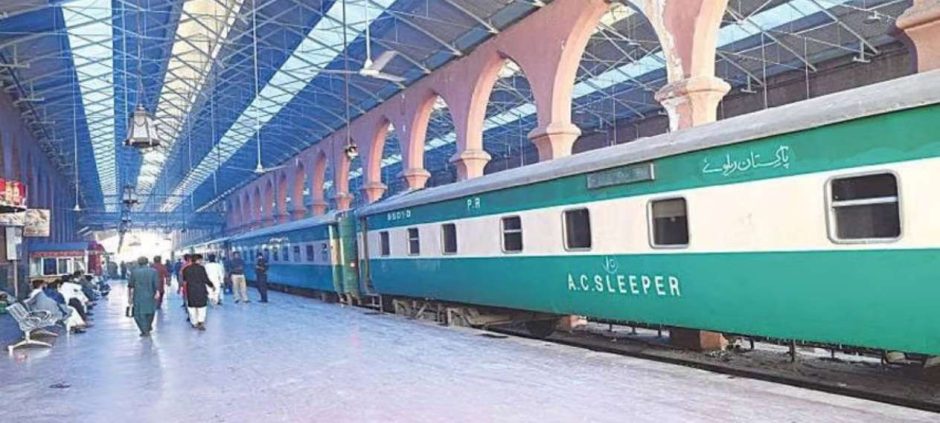
Under the new pricing structure, economy-class train tickets have increased by 5 percent. Passengers traveling in air-conditioned categories will see a larger increase, with AC class fares rising by 10 percent. In addition to passenger fares, freight transportation charges have also been raised by up to 20 percent, which could impact the cost of transporting goods across the country.
The revised fares will officially come into effect from March 9. However, passengers who booked their tickets before the announcement will not have to pay the increased rates. Railway officials clarified that previously issued tickets will remain valid at the original prices.
Authorities said the decision was taken after careful consideration of rising operational costs. Despite the increase, Pakistan Railways stated that it will continue to absorb a portion of the expenses to reduce the burden on passengers as much as possible.
The fare hike comes shortly after the government raised fuel prices significantly across Pakistan. Petrol prices were increased by Rs55 per litre, pushing the new rate to Rs321.17 per litre. Diesel prices also rose sharply to Rs335.86 per litre, adding pressure on transport sectors that depend heavily on fuel.
Kerosene prices have also jumped considerably, reaching Rs318.81 per litre. The increase in fuel prices has already begun affecting various sectors, particularly transportation and logistics services that rely on petroleum products.
Economic analysts warn that the sudden spike in fuel costs could trigger wider inflation across Pakistan. When transportation costs rise, businesses often pass the additional expenses on to consumers through higher prices for goods and services.
Experts say freight charge increases by Pakistan Railways may also contribute to rising prices of essential commodities. Since rail transport plays an important role in moving goods across long distances, any increase in freight rates can influence the cost of supply chains nationwide.
For many passengers who depend on trains as an affordable travel option, the fare hike may add financial pressure. However, railway officials maintain that the adjustment was necessary to ensure that train services continue operating without major disruptions.
Also read: Lahore Railway Station Suspends Free Wi-Fi Service