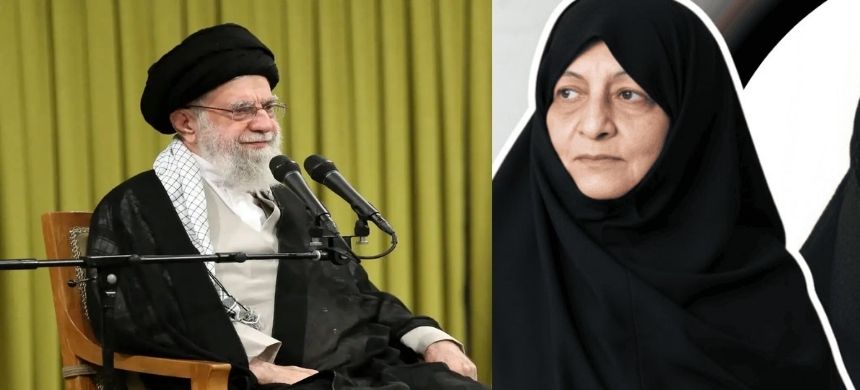
Mansoureh Khojasteh Bagherzadeh, widow of Iran’s former Supreme Leader Ayatollah Ali Khamenei, has died from injuries sustained during recent U.S. and Israeli missile strikes on Tehran, according to Iranian state media. Her passing has intensified both the emotional and political shockwaves from the rapidly escalating conflict in the Middle East.
State broadcasters reported that the 78-year-old was critically wounded during a wave of attacks that hit the capital late last week as part of a large-scale joint operation by Washington and Tel Aviv. The strikes reportedly targeted Iran’s military infrastructure and senior leadership. Iranian and U.S. officials previously stated that Khamenei was killed in a separate strike on his secure compound during the same offensive.
Her death, confirmed by official outlets and cited by international agencies, increases the number of prominent figures affected by the campaign, which has marked a dramatic shift in long-standing red lines regarding direct attacks on senior leaders of the Islamic Republic.
Bagherzadeh had been married to Khamenei for over three decades and was regarded as a respected figure within clerical circles. Though she maintained a relatively low public profile, she was known for supporting religious and social welfare initiatives. Senior clerics and government officials issued formal condolences, praising her loyalty and dedication.
The developments come amid intensifying retaliation across the region. Iran has launched missiles and drones toward Israeli targets and U.S. bases in the Gulf, triggering air defence responses and reported casualties in parts of the region.
Following Khamenei’s death, Iran announced 40 days of national mourning, with large gatherings in Tehran and Isfahan. While many publicly grieved, reports also suggested limited instances of muted celebration, reflecting internal divisions.
Globally, reactions remain divided. Some governments have urged restraint and renewed diplomacy, while others defend actions they say aim to curb Iran’s military capabilities. As hostilities widen, calls for de-escalation continue to grow.