Global oil prices recorded a sharp increase on Monday after US President Donald Trump rejected Iran’s response to a proposed peace initiative, while growing uncertainty surrounding the Strait of Hormuz further fueled market concerns.
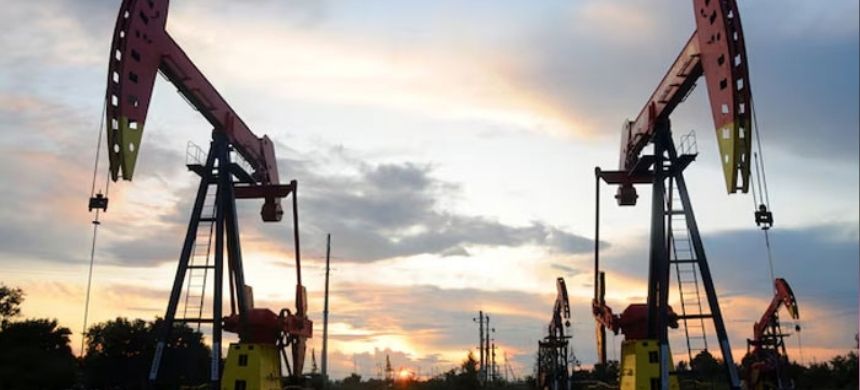
According to reports, Brent crude prices climbed above $104 per barrel, whereas West Texas Intermediate (WTI) crude approached $99 per barrel. Both benchmarks registered gains of more than 3% during trading. Since tensions in the region escalated, Brent crude has reportedly surged by nearly $20 per barrel, reflecting increasing fears of supply disruptions in global energy markets.
Analysts believe the latest jump in prices is mainly linked to concerns over the security of the Strait of Hormuz, a crucial maritime route through which a significant portion of the world’s oil supply passes. Any instability in the region is considered a major threat to global energy transportation and market stability.
In a post shared on his social media platform Truth Social, President Donald Trump said he had reviewed Iran’s response to the US peace proposal and expressed strong dissatisfaction with it. Trump described the reply as “totally unacceptable,” signaling continued disagreement between the two sides despite ongoing diplomatic efforts.
A day earlier, Iran had reportedly delivered its formal response to the US proposal through Pakistani mediators as international efforts intensified to reduce tensions and secure a ceasefire in the Middle East. Iran’s state news agency confirmed that Tehran had sent its official position via Pakistan, though no specific details regarding the contents of the response were disclosed publicly.
The Iranian agency stated that the response was submitted with the objective of helping end the ongoing conflict. Reports suggest that current negotiations are primarily focused on achieving an immediate ceasefire and reducing regional tensions, while broader political and security discussions are expected to take place later.
The latest developments come amid increasing military tensions involving Iran, the United States, and Israel, prompting global powers to accelerate diplomatic initiatives aimed at preventing further escalation and maintaining stability in the region.