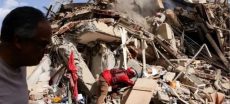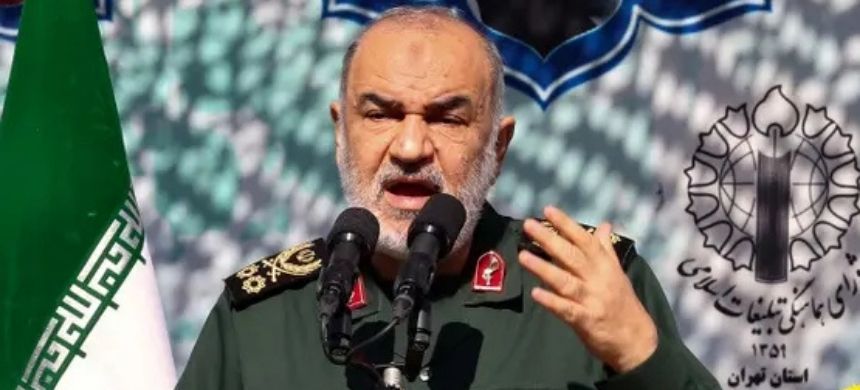
Several senior Iranian military officials, including Defence Minister Amir Nasirzadeh and IRGC commander Mohammad Pakpour, were reportedly killed in Israeli airstrikes on Saturday morning, according to sources cited by Reuters. Israeli authorities had earlier indicated that Pakpour, Nasirzadeh and Iran’s intelligence chief were believed to be among those targeted in the attacks.
The strikes formed part of a broader joint military operation by Israel and the United States, significantly intensifying tensions across the Middle East. Reports suggest that other high-profile figures, including Supreme Leader Ali Khamenei and President Masoud Pezeshkian, were also targeted, although their status remains unclear.
In retaliation, Tehran launched missiles toward Israel, calling the US-Israeli assault unlawful and unprovoked. Iran’s foreign minister stated that the country is fully capable of defending itself without outside support and downplayed the reported loss of commanders, signalling that Tehran would continue its response.
The escalation prompted swift international reactions. France, Germany and Britain jointly condemned Iran’s missile strikes and urged restraint. French President Emmanuel Macron, German Chancellor Friedrich Merz and British Prime Minister Keir Starmer called for renewed diplomacy and civilian protection. Macron also requested an urgent UN Security Council meeting.
UN human rights chief Volker Turk urged de-escalation, warning that civilians suffer most in armed conflicts. Leaders from Canada, Spain, Oman, Lebanon, Norway and Ukraine also called for restraint and adherence to international law, while Russia’s Dmitry Medvedev criticised Washington’s role.
The developments have raised serious concerns about a broader regional war as diplomatic efforts face mounting strain.
Also Read: Iran Retaliates Against Israel after US-Israel Strikes on Tehran