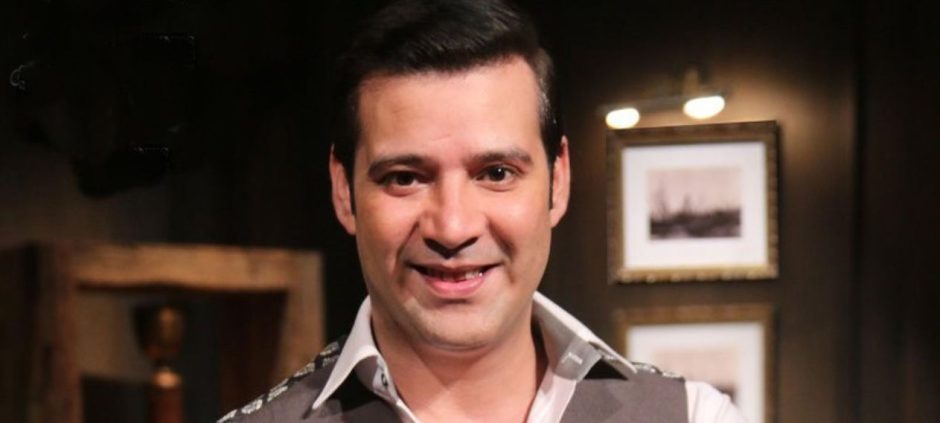
It only took a few seconds of shaky footage to pull a legendary name back into the spotlight.
In Pakistan’s digital-first culture, where clips travel faster than context, moammar rana became one of the most discussed celebrities of 2025, not for a performance, but for a moment that sparked debate, sympathy, criticism, and uncomfortable questions about fame in the age of virality.
Once celebrated as a face of Lollywood’s golden commercial era, Moammar Rana’s return to headlines reflects more than controversy. It reveals how legacy collides with social media judgment, and why veteran stars are navigating a far harsher public space today.
Why Moammar Rana Is In The Headlines Again
For decades, Moammar Rana represented a certain kind of stardom, loud applause, packed cinema halls, and mass appeal that didn’t rely on social media algorithms.
That changed in early 2025.
A short clip from a film premiere began circulating online, showing the actor appearing visibly unsettled while speaking to media personnel. Within hours, the video spread across X, Instagram, and YouTube, pushing his name into trending lists nationwide.
What followed was not discussion, it was assumption.
The clip revived public interest in Moammar Rana, but in a way few stars ever want. And that is exactly why Moammar Rana 2025 news turned into one of the most searched entertainment topics of the year.
The Viral Moammar Rana Premiere Video Controversy
The incident occurred during the premiere of Baap, a film positioned as Moammar Rana’s return to cinema.
The footage showed him struggling to maintain balance and clarity. There was no verified audio explanation, no official statement, and no medical confirmation. Still, the word “intoxicated” quickly dominated social media conversations.
Context was lost almost instantly.
What made the situation worse was the lack of a follow-up response. In today’s media climate, silence doesn’t neutralize controversy, it fuels it.
This moment transformed a private lapse, or possibly a misunderstood situation, into a public verdict.
How Social Media Turned A Moment Into A Narrative
Virality does not wait for facts.
Once the clip gained traction, entertainment portals replayed it repeatedly, often stripped of background or restraint. Memes followed. Commentary channels joined in. The narrative hardened.
Veteran actors like Moammar Rana are particularly vulnerable in this environment. Unlike younger celebrities, they didn’t build their careers managing digital perception. One clip now carries more weight than decades of work.
This is where controversy becomes cultural commentary, not just about one actor, but about how fame functions in Pakistan today.
Public And Industry Reactions: Pakistani Celebrity Reactions
Public reaction split sharply.
Some viewers expressed disappointment, framing the incident as damaging to his legacy. Others urged empathy, reminding audiences that age, health, and pressure can distort appearances.
Within the industry, reactions were cautious. Most colleagues remained silent.
One voice, however, stood out.
Meera publicly defended Moammar Rana, questioning the rush to judgment and calling out the cruelty of online shaming. Her response resonated because it addressed something larger than one controversy, the lack of compassion in viral culture.
Not His First Controversy: Rana & Chopra Interview Fallout
This wasn’t Moammar Rana’s first encounter with backlash.
A previously recorded clip from Nadir Ali’s podcast resurfaced where he commented on Priyanka Chopra using the word “Bhayanak.” Though likely casual in tone, the remark was interpreted as disrespectful and quickly sparked cross-border criticism.
Social media outrage followed, proving once again that older statements don’t age quietly in the digital era.
Such moments gradually reshape public perception, even when they don’t define an entire career.
Baap As A Comeback Film: Moammar Rana Baap Movie Analysis
Baap was meant to be a turning point.
The film was promoted as a comeback project, aimed at reconnecting Moammar Rana with audiences who grew up watching him dominate the box office. Trailers generated interest, especially among viewers nostalgic for old-school commercial cinema.
But the premiere controversy shifted attention away from storytelling and performance.
Instead of reviews, the discussion centered on optics. Instead of cinema, the focus was behavior. Early audience sentiment reflected curiosity mixed with hesitation, a reminder that controversy doesn’t always kill interest, but it reshapes it.
Moammar Rana’s Career Legacy: Pakistani Film Veteran
Long before hashtags and clips, Moammar Rana built his career on crowd-pulling power.
His rise during the peak of Punjabi cinema wasn’t accidental. Films like Choorian didn’t just succeed, they altered box-office expectations and revived cinema-going culture in smaller cities.
He represented mass appeal in its purest form. Emotional storytelling, action-driven roles, and characters rooted in local culture defined his screen presence.
That contribution cannot be erased by a single viral moment.
Punjabi Cinema And Moammar Rana
Moammar Rana’s dominance in Punjabi cinema helped shape the genre’s identity.
His films connected deeply with audiences outside major urban centers. They reflected values, struggles, and emotions familiar to everyday Pakistanis.
This reach explains why his fan base remains loyal, especially among older viewers who associate his work with a vibrant era of local cinema.
Cross-Border Nostalgia And Missed Possibilities
Old photographs of Moammar Rana with Bollywood stars like Salman Khan resurface online every few months, reigniting discussions about what could have been.
These images symbolize a time when cross-border industry interactions felt more organic and less politicized. They also feed nostalgia, a powerful force in celebrity culture.
But nostalgia alone doesn’t guarantee relevance. In the digital age, visibility must be continuously earned.
Fame, Virality, And Accountability: Pakistani Celebrity Culture
Moammar Rana’s situation highlights a larger shift.
Today’s fame is relentless. It documents, magnifies, and judges in real time. Veteran actors face scrutiny without the protective buffer of legacy.
The difference between past stardom and present visibility is stark. Earlier, careers were defined by films. Now, they are shaped by moments.
And not all moments are fair.
How Celebrity Narratives Are Changing In Pakistan
Recent entertainment trends show how public interest has shifted beyond professional achievements.
Personal milestones, visuals, and relatability now drive engagement. For example, stories like Zarar Khan’s wedding, which dominated social media timelines, show how private life often generates more attention than years of artistic work, as seen in detailed coverage published on The Neutral.
Similarly, remembering industry contributors like Abid Kashmiri highlights how legacies can remain dignified and respected without controversy, as explored in his biography on The Neutral.
These contrasts reveal how differently fame unfolds today.
The Spotlight After Applause: Where Does He Stand Now?
In 2025, moammar rana stands between memory and momentum.
His legacy is real. His contributions are undeniable. Yet public perception continues to evolve in a space where patience is rare and judgment is instant.
Controversies may reshape narratives, but they don’t erase history.
The question now isn’t whether Moammar Rana mattered, it’s how Pakistan chooses to remember its stars in an unforgiving digital age.
Do you think legacy should protect artists from viral judgment, or is public accountability non-negotiable today?