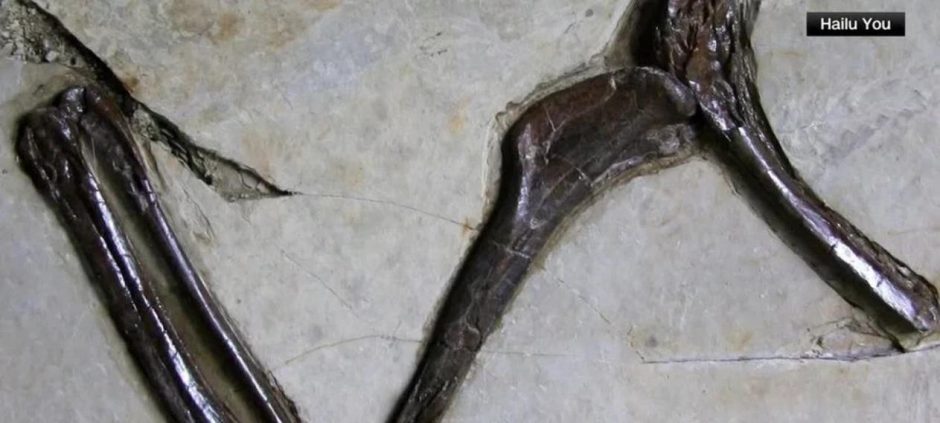
A remarkably well-preserved dinosaur fossil discovered in northwestern China has led scientists to identify a previously unknown species of microraptor, offering fresh insights into the evolution of feathered dinosaurs and the origins of flight. The fossil, estimated to be around 120 million years old, was unearthed in the Changma Basin of Gansu Province and has become an important addition to the fossil record.
Researchers conducted a detailed analysis of the specimen’s intact shoulder and forelimb bones and concluded that it belonged to a new species of microraptor. The dinosaur has been named Jianchangmaensis. The name “Jian” is inspired by a one-winged bird from Chinese mythology, reflecting the creature’s birdlike characteristics, while the species name honors the Changma Basin where the fossil was found.
Although the fossil consists of only a small number of bones, it is exceptionally well preserved in three dimensions. Scientists say this rare level of preservation has provided valuable anatomical details that would otherwise be difficult to study. The fossil offers a clearer understanding of the physical structure of microraptors, a group of small feathered predators closely related to the ancestors of modern birds.
The discovery is significant because it expands the known geographic range of microraptors. Until now, confirmed Microraptor fossils had only been discovered in northeastern China. Jianchangmaensis is the first verified specimen found outside that region, suggesting that these feathered dinosaurs may have been more widespread than previously believed.
Researchers also noted that the fossil represents the youngest confirmed Microraptor specimen discovered to date. This finding extends the known timeline of the species and indicates that microraptors survived longer than scientists had previously documented. The discovery provides new clues about the diversity and distribution of feathered dinosaurs during the Early Cretaceous period.
Study co-author Matt Lamanna said the find is particularly important because the Changma Basin is best known for its fossilized birds. According to Lamanna, researchers have recovered more than 100 bird fossils from the area but only a single non-avian dinosaur specimen. He explained that Jianchangmaensis helps fill gaps in the biological history of the region and sheds light on the ecosystems that existed alongside the ancestors of modern birds.
Scientists believe the fossil may help answer long-standing questions about how microraptors moved through their environment and how flight evolved. Microraptors were covered in feathers and possessed wing-like structures on both their forelimbs and hind limbs, giving them the appearance of having four wings. Many paleontologists believe these animals could climb trees and glide between branches, much like modern flying squirrels, making them an important link in understanding the transition from dinosaurs to birds.
Also read: Karachi Mein 4 Dino Mein 27 Zalzale Mehsoos – Malir aur DHA Sab Se Zyada Mutasir