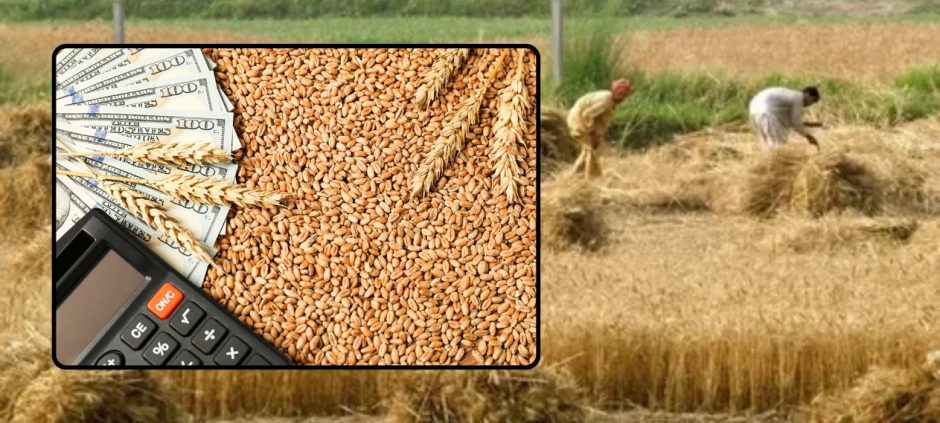
The wheat rate in Pakistan plays a vital role in daily life. Wheat is the main food crop of the country. It directly affects flour prices, roti costs, and household budgets. Farmers, traders, and consumers closely watch wheat prices every day. Even a small change impacts millions of people.
In January 2026, wheat prices show mixed trends across provinces. Government control rates exist, but market prices often remain lower. Weak enforcement and supply pressure affect the market. This article gives a complete picture of the wheat rate in Pakistan with province wise updates, expert insights, and future expectations.
Why Wheat Prices Matter in Pakistan
Wheat is Pakistan’s most consumed grain. It supports food security and farm income. When wheat prices fall, farmers face losses. When prices rise, consumers struggle. Balance is critical.
The government announces support prices every year. These prices aim to protect farmers. However, open market forces often dominate. Middlemen and storage issues also influence prices.
In 2026, wheat markets face pressure due to surplus stocks, slow government procurement, and high input costs.
Wheat Rate in Punjab Today
Punjab is Pakistan’s largest wheat producer. It supplies wheat to most urban centers. The government of Punjab fixed the control price at Rs 3,650 per 40 kg. However, the market trades below or near this level.
In many cities like Lahore, Faisalabad, and Multan, wheat prices range between Rs 3,600 and Rs 4,640 per 40 kg. Southern Punjab areas like Bahawalpur and Rahim Yar Khan show slightly higher maximum rates.
Arif Wala, Sahiwal, and Sargodha markets report stronger demand. Yet farmers complain about weak procurement. Traders dominate pricing in rural areas. Overall, the wheat rate in Pakistan remains under pressure in Punjab due to oversupply.
Wheat Rate in Sindh Today
Sindh holds the second largest share of wheat production. The official control price stands at Rs 3,850 per 40 kg. Market prices remain lower due to slow government buying.
Karachi markets show wheat prices between Rs 3,640 and Rs 4,660 per 40 kg. Hyderabad and Sukkur report similar trends. Upper Sindh cities like Ghotki and Nawab Shah show slightly stronger prices.
Farmers in Sindh face higher input costs. Water shortages and fuel prices add pressure. Despite this, the wheat rates remain weak. Sindh’s contribution strongly influences the wheat rate in Pakistan, especially urban flour prices.
Wheat Rate in Khyber Pakhtunkhwa
Khyber Pakhtunkhwa produces less wheat than Punjab and Sindh. However, local prices remain sensitive due to limited supply. The control price stands at Rs 3,850 per 40 kg. In Peshawar and Mardan, wheat prices range from Rs 3,660 to Rs 4,650 per 40 kg.
Demand from Afghanistan border regions impacts prices. Transportation costs also play a role. Traders report stable movement but low margins. KPK wheat markets remain steady but vulnerable to supply shocks.
Wheat Rate in Balochistan
Balochistan has limited wheat output. The province depends on inter provincial supply. The official control price remains Rs 3,850 per 40 kg.
In Quetta and Sibi, wheat prices range between Rs 3,630 and Rs 4,680 per 40 kg. Transport costs and storage issues push higher prices. Despite smaller volume, Balochistan influences regional trade flows in the wheat rate in Pakistan.
Why Market Prices Stay Below Control Rates
Several reasons explain the gap between control and market prices. First, government procurement remains slow. Farmers sell early due to cash needs.
Second, storage shortages force quick selling. Third, middlemen exploit weak regulation. Fourth, wheat imports and carryover stocks increase supply pressure. These factors keep the wheat rate in Pakistan below official targets.
Impact on Farmers and Consumers
Low wheat prices hurt farmers badly. Input costs like fertilizer and diesel remain high. Profit margins shrink. Consumers benefit in the short term. Flour prices stay stable. However, long term risk exists. Farmers may reduce sowing next season. This imbalance threatens food security if not corrected.
Outlook for Wheat Rate in Pakistan
Experts expect wheat prices to remain stable in early 2026. Government action can change trends. Strong procurement can lift prices. Export options may reduce surplus. Better storage systems can help farmers.
If policies remain weak, prices may fall further. Farmers will suffer more losses. The wheat rate in Pakistan needs timely government support to stabilize markets.
Expert Insight and Analysis
Market analysts suggest direct farmer payments. Digital procurement systems can reduce middlemen control. Support prices must match real costs. Timely announcements build confidence. Pakistan must balance farmer welfare with consumer affordability.
For more context on the government’s agricultural policy, read our detailed report on how authorities plan to seek IMF approval for wheat price support to stabilize the market. The move is expected to impact farmers, consumers, and overall food inflation across Pakistan.
Conclusion
The wheat rate in Pakistan reflects deep structural challenges. Punjab, Sindh, KPK, and Balochistan show similar pressure trends. Control prices exist but lack of enforcement.
Without reforms, farmers will remain vulnerable. Sustainable pricing policies are essential for food security and economic stability.