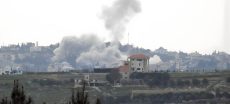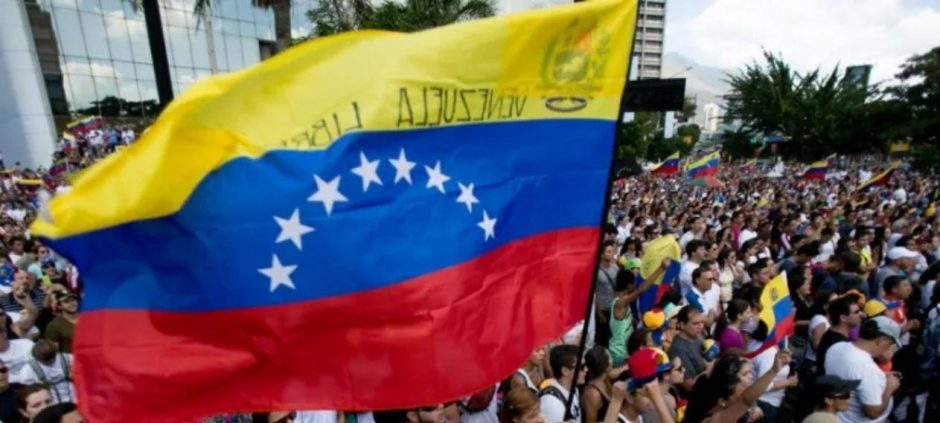
The United States has carried out military strikes in Venezuela, further escalating tensions between the two nations. This move follows months of US operations targeting vessels allegedly transporting drugs in the Caribbean and Pacific.
Venezuela has been led by Nicolás Maduro since 2013, after the death of Hugo Chávez. Maduro, a long-time ally of Chávez, was re-elected last year for a term running until 2031. His 2024 election faced allegations of fraud, and critics accuse his government of suppressing political opponents, carrying out arbitrary arrests, and permitting torture and violence. Despite widespread protests, Maduro remains in power, largely because the armed forces continue to support him.
Opposition leader María Corina Machado, who won this year’s Nobel Peace Prize for advocating a peaceful democratic transition, recently traveled to Oslo in secret. She had been in hiding for over a year and faced charges including treason. Venezuelan authorities warned she would be considered a fugitive if she left, exposing her to arrest or entry bans if she returned.
Venezuela holds the world’s largest proven oil reserves, estimated at 303 billion barrels. However, production has declined sharply, from nearly three million barrels per day two decades ago to about one million today. Sanctions, mismanagement at the state oil company PDVSA, and corruption have contributed to the decline. US company Chevron resumed production this year, signaling ongoing foreign involvement in the oil sector.
In mid-December, US forces boarded a Venezuelan oil tanker, claiming it supported foreign terrorist groups. Caracas described this action as an act of international piracy.
Despite vast natural resources, Venezuela faces severe poverty. Around 86 percent of households live below the poverty line, and average monthly income is $231, while a basic family food basket costs $391. Economic collapse, state repression, and violence have driven nearly 7.9 million Venezuelans, about a quarter of the population, to emigrate.
Maduro continues to portray Venezuela as a defiant socialist state and a target of US imperialism. He receives support from Cuba, Nicaragua, Russia, China, and Iran, with Cuban intelligence reportedly assisting in maintaining discipline within the armed forces.
In other related news also read Oil Prices Rise After US Intercepts Tanker Near Venezuela
The situation in Venezuela remains volatile, with political unrest, economic hardship, and international disputes creating ongoing uncertainty.