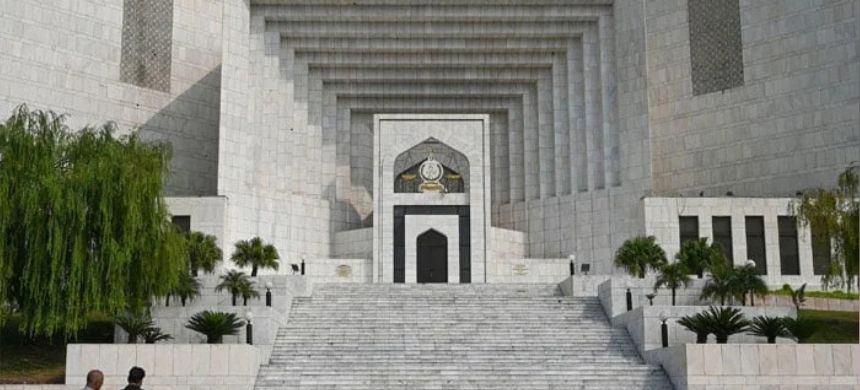
The Supreme Court has issued comprehensive guidelines for drafting pleadings in civil cases before trial courts, aiming to improve legal standards, consistency, and the overall quality of civil litigation in Pakistan.
The directions were released through a 26-page judgment authored by Justice Shahid Bilal Hassan while hearing a review petition in a civil dispute. The court highlighted that repeated procedural mistakes and weak drafting practices in civil cases have become a serious concern within the judicial system.
According to the judgment, these issues require attention not only in courts but also in legal education institutions. The Supreme Court stressed that law colleges should place greater focus on civil procedure and legal drafting courses so future lawyers can learn proper pleading methods from the beginning of their careers.
The court also suggested that bar councils may prepare standard templates for plaints, written statements, and other legal pleadings. However, it clarified that model formats cannot replace the professional judgment and legal understanding required in each individual case.
The ruling stated that such formats could still help lawyers fulfill basic legal requirements, organize pleadings correctly, and avoid missing important details. The court observed that this step could especially benefit young lawyers and improve drafting quality across the legal profession.
The Supreme Court further stated that both judges and lawyers share equal responsibility in improving the standard of pleadings. Courts must carefully examine cases and ensure compliance with procedural laws, while lawyers are expected to submit clear, legally accurate, and properly structured documents.
Under the new guidelines, defendants should normally file written statements on or before the first hearing. The court directed that adjournments for filing written replies should only be granted in exceptional circumstances with sufficient justification.
The judgment added that the filing period should generally not exceed 30 days, warning that failure to comply may result in legal consequences.
The Supreme Court has ordered the judgment to be circulated among district and sessions judges as well as bar associations nationwide. The court also directed the district judiciary to ensure strict implementation of the guidelines to improve discipline and efficiency in civil litigation matters across the country.
Also Read: Is New Federal Constitutional Court Reducing Supreme Court’s Authority?