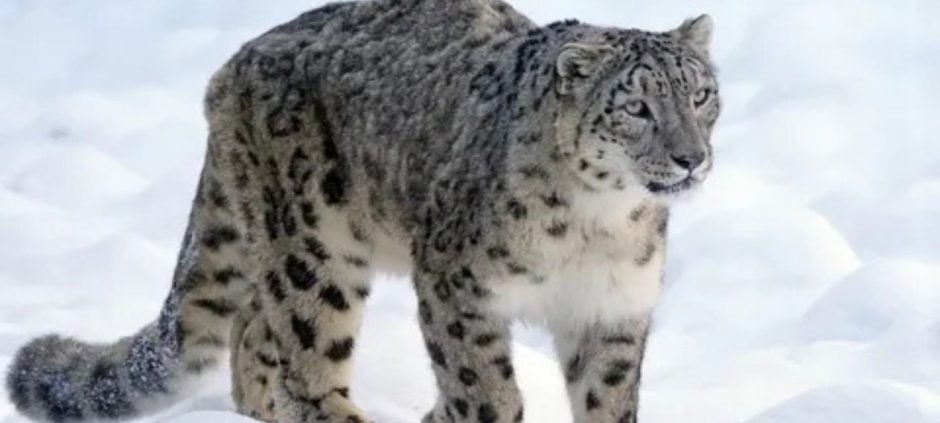
Most Pakistanis grow up hearing stories about the Ghost of the Mountains, the Snow Leopard. But very few know how close this mysterious cat actually lives, hunts, and survives in our northern ranges. And fewer ever get the chance to see one in real life.
If you’ve ever been curious about where these rare cats roam, how you can respectfully spot them, and why their survival matters to Pakistan, this blog takes you straight into their world.
Where Snow Leopards Live In Pakistan
Pakistan’s northern belt is full of dramatic landscapes, and the Snow Leopard has made these silent, rugged mountains its ancient home. Before we discuss where sightings happen, let’s pause for a moment, because these locations are raw, untouched, and demanding.
Let’s break it down location-wise.
Khunjerab National Park
Nestled in Gilgit-Baltistan, Khunjerab National Park is perhaps Pakistan’s ultimate Snow Leopard hotspot. Rangers, researchers, and lucky tourists have spotted these elusive cats along rocky ridges, near streams, and on cliff edges, usually during the magical early mornings or quiet evenings, perfect for wildlife photographers chasing a glimpse of this ghost of the mountains.
Misgar Valley
A hidden gem near the China-Pakistan border, Misgar Valley is remote and serene. Local herders often report Snow Leopard sightings here, and its quiet isolation makes it a paradise for patient trackers and wildlife lovers who enjoy waiting for nature’s surprises.
Chitral Gol National Park
Located in Khyber Pakhtunkhwa, Chitral Gol National Park is famous for its conservation projects and camera-trap studies. Snow Leopard sightings increase in winter as prey moves lower, giving trekkers and wildlife enthusiasts a better chance to spot these mysterious predators in their natural habitat.
Shimshal Valley
High up in Shimshal Valley, Gilgit-Baltistan, mountaineers and adventurous trekkers sometimes catch a glimpse of Snow Leopards while crossing the stunning Shimshal Pass. Its rugged terrain and breathtaking scenery make every sighting feel like winning the wildlife lottery.
Deosai Plains
On the Skardu side of Deosai Plains, Snow Leopards are rare but legendary. Keen-eyed travelers have documented sightings on higher cliffs surrounding the vast plains, where the open skies and golden grasslands create a dramatic backdrop for spotting Pakistan’s most iconic big cat.
How To Spot The Elusive Snow Leopard Safely
The Snow Leopard is not just rare, it’s a master of camouflage. So spotting one requires preparation, patience, and respect for its habitat.
Here’s your quick guide before you pack your bags:
- Hire trained local guides
Especially from Khunjerab and Shimshal. They know the movement patterns and safe viewing points. - Visit during winter
Snow makes spotting easier because the leopard moves lower for prey. - Stay quiet and calm
Loud noises, drones, or sudden movement can push the animal farther away, sometimes permanently. - Use binoculars and long lenses
Never attempt to get close. Ethical distance protects both you and the animal. - Don’t feed or disturb local wildlife
Because altering prey activity disrupts the entire ecosystem.
Pakistan’s officials have recently debated moving Snow Leopards abroad, which many conservation groups strongly opposed. If you’re curious about how Pakistanis reacted to this issue, you can read more here: Opposition grows against the transfer of these cats.
Snow Leopard In Local Culture
The Snow Leopard isn’t just an animal; it’s part of northern identity. From local stories to spiritual symbolism, this cat has always held a place of deep respect.
Here’s how different communities see it?
Symbol of Bravery
In Gilgit-Baltistan, hunters once saw the Snow Leopard as the ultimate test of courage.
A Guardian Spirit
Some Wakhi and Burusho families consider it the mountain’s silent protector.
A Sign of Harmony
Communities living close to nature believe the Snow Leopard reflects balance in the ecosystem.
A Reminder of Patience
Locals admire how quietly and gracefully it survives in harsh terrains.
A Cultural Pride Point For Pakistan
It appears in school lessons, documentaries, wildlife campaigns, and international conservation events.
Their relationship with the Snow Leopard goes beyond survival; it reflects centuries of coexistence.
Why the Snow Leopard Is Disappearing
This part matters the most because Pakistan is among the few countries still lucky enough to host this rare cat.
But the numbers are dropping fast.
Here are the main threats:
- Habitat loss due to expanding settlements and roads
- Poaching for fur or illegal animal trade
- Decline in prey species like ibex and blue sheep
- Human-wildlife conflict occurs when livestock is attacked
- Climate change is altering snow patterns and prey movement
But here’s the hopeful part: Pakistan can still protect the Snow Leopard if we make the right choices now. Here are some practical actions.
Strengthening Community-Led Conservation Projects
Locals protect wildlife better when they benefit from tourism and eco-programs. By involving villages in decision-making, these programs turn everyday people into Snow Leopard guardians, creating pride and sustainable livelihoods.
Increasing Camera-Trap Monitoring
Camera traps don’t just snap photos; they help track Snow Leopard populations, movements, and behavior. This data guides researchers and rangers to make smarter protection plans in real time.
Supporting Compensation Programs For Livestock Losses
When herders lose livestock to predators, these programs step in to reduce conflict. Compensating farmers ensures the cats stay safe while communities remain supportive of conservation efforts.
Promoting Ethical Winter Tourism
Responsible winter tourism creates jobs while encouraging visitors to observe wildlife without disturbing it. Local guides benefit economically, and tourists enjoy unforgettable, guilt-free Snow Leopard encounters.
Educating Young Pakistanis
Awareness is the strongest long-term solution. Teaching kids about Snow Leopards and their ecosystem builds a generation that values wildlife and grows up protecting these mountain ghosts.
The Path Forward
The Snow Leopard is more than a rare mountain cat; it’s part of Pakistan’s identity, landscape, and ecological balance. Protecting it means protecting our mountains, our tourism potential, and our connection with nature.
If you’ve ever dreamed of seeing one, remember: patience, respect, and responsible travel make the experience meaningful, for you and for the Snow Leopard.
Ready to explore more wildlife stories or plan a responsible northern adventure? Dive into our latest guides, share your thoughts, and stay connected for more Pakistan-focused wildlife insights.