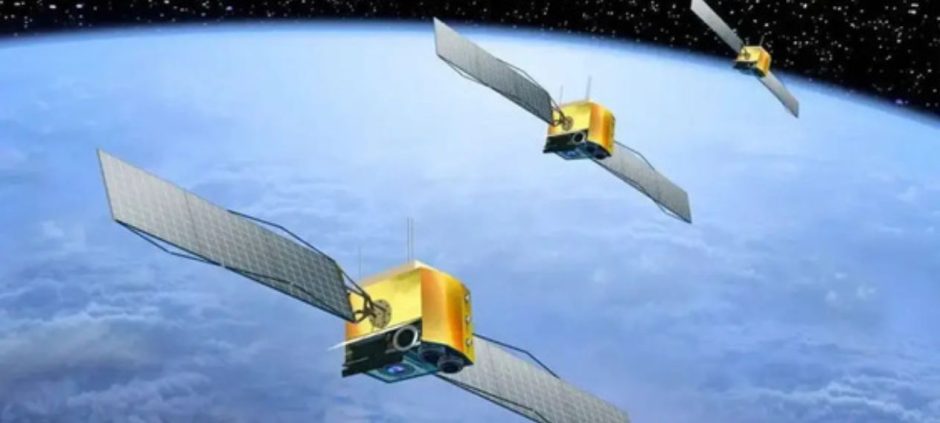
Western intelligence agencies have raised alarms that Russia is developing an anti‑satellite weapon to target Starlink, the satellite internet constellation operated by Elon Musk’s SpaceX, according to recent NATO assessments. The warning highlights rising tensions in space security and the risk of widespread disruption to global satellite networks.
Intelligence services from two NATO member states suspect Moscow is exploring a so‑called “zone‑effect” weapon that could release hundreds of thousands of high‑density pellets into low Earth orbit (LEO), the same region where SpaceX’s Starlink satellites operate, with the aim of disabling multiple satellites simultaneously. This approach differs sharply from conventional anti‑satellite systems that typically target individual devices.
Officials say the development could be motivated by Russia’s desire to undermine Western space capabilities, especially those that have supported Ukraine’s battlefield communications and intelligence networks. Starlink’s resilient connectivity has proven crucial in conflict zones, providing broadband access where ground infrastructure is limited.
Experts warn that such a debris‑based strategy could backfire spectacularly. Dense clouds of orbital fragments not only threaten Starlink but also endanger critical space assets including weather, GPS, and Earth‑observation satellites. The International Space Station and other crewed spacecraft could also face heightened collision risks from drifting debris.
Amid these geopolitical concerns, nations and companies are increasingly focused on the benefits and challenges of satellite‑based internet services like Starlink.
Space security analysts also point out that deploying such anti‑satellite systems could violate long‑standing treaties aimed at preventing the weaponization of space, potentially triggering an international diplomatic backlash. While Russia has not publicly acknowledged the project, the mere suspicion underscores the growing threat to orbital stability and civilian communications provided by Starlink satellites.