The federal government has highlighted the huge economic cost of protests, long marches and road blockades, saying such disruptions can cause losses of around Rs. 120 billion per day. Finance Minister Muhammad Aurangzeb shared the estimate in a pre-recorded message to the nation, drawing attention to the impact of prolonged disruptions on economic activity.
According to the estimate, the figure was prepared by the team of Planning Minister Ahsan Iqbal. It includes an estimated Rs. 86 billion loss in the services sector, Rs. 25 billion in industry and Rs. 9 billion in agriculture. The figures show how quickly economic activity can be affected when major roads are blocked and normal movement is disrupted.
There is little doubt that prolonged protests and road blockades can create serious problems for businesses and workers. Transport services are affected, customers may be unable to reach shops, supply chains can slow down and daily wage workers can lose income. Delayed deliveries can also create additional costs for companies and traders.
However, the economic calculation raises another question. What is the cost of the measures taken to stop or control these protests?
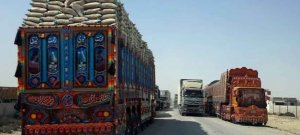
When large demonstrations are expected, authorities often introduce security measures that can also disrupt normal economic activity. Roads may be closed, containers may be placed at key routes and traffic can be diverted. Access to commercial areas and important roads can become difficult. These measures can affect businesses and commuters even when no protest is taking place in their immediate area.
A container placed across a major road does not generate economic activity. A truck stuck in traffic cannot complete its delivery. Thousands of vehicles spending additional hours in congestion also consume extra fuel and lose valuable working time. These costs may not appear in the same calculation used to measure losses caused by protests.
The issue becomes more important when road closures continue for several days. Transport operators can lose income, businesses may face delivery delays and workers can struggle to reach their workplaces. A transport owners’ representative has reportedly claimed losses running into hundreds of millions of rupees during previous blockades in the capital.
Pakistan continues to face significant economic pressures, making the efficient use of resources particularly important. Every delayed shipment, wasted litre of fuel and lost working hour can add to the overall economic burden.
The government has a clear interest in preventing prolonged disruption and maintaining public order. At the same time, a complete assessment of economic damage should consider all sides of the situation. If protests and blockades are estimated to cost Rs. 120 billion per day, the economic impact of road closures, diversions, congestion and other countermeasures should also be measured.
Only then can policymakers get a clearer picture of the full cost of political disruptions and the measures used to manage them.
Also read: Why Islamabad Roads Are Suddenly Packed With Containers