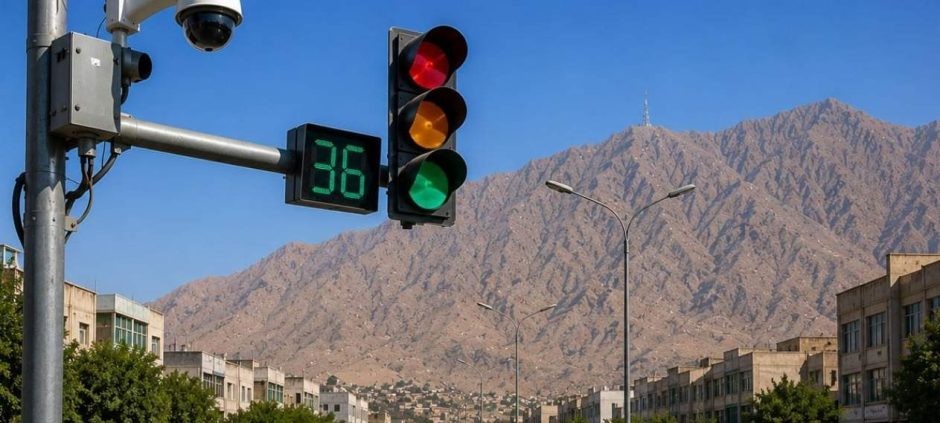
The Balochistan government has approved the installation of artificial intelligence (AI)-powered traffic signals across Quetta in a major step toward modernizing the city’s traffic management system. The initiative aims to reduce congestion, improve road safety, and create a more efficient transport network by using advanced technology to regulate traffic flow.
The decision was made during a high-level meeting chaired by Balochistan Chief Minister Mir Sarfraz Bugti, where senior officials reviewed proposals for introducing a smart traffic management system in the provincial capital. The meeting focused on addressing Quetta’s increasing traffic challenges through technology-driven solutions instead of relying solely on traditional traffic control methods.
Officials briefed the chief minister on plans to deploy AI-powered traffic signals capable of monitoring real-time traffic conditions and adjusting signal timings accordingly. Unlike conventional traffic lights that operate on fixed schedules, the proposed system will analyze vehicle movement and optimize traffic flow based on actual road conditions.
Authorities believe the intelligent traffic signals will significantly reduce congestion at major intersections by minimizing unnecessary waiting times and improving vehicle movement during peak hours. The project is expected to play a key role in easing traffic pressure as Quetta continues to experience rapid urban growth and an increasing number of vehicles on its roads.
During the meeting, Chief Minister Mir Sarfraz Bugti directed all relevant departments to work closely together to ensure the timely implementation of the project. He instructed officials to establish a modern, sustainable, and effective traffic management system that can serve the city’s long-term transportation needs.
The chief minister emphasized that adopting modern technology is essential for improving public services and urban infrastructure. He said AI-powered traffic signals would help provide residents with safer, more organized, and convenient travel while reducing delays caused by inefficient traffic control.
According to officials, the new system will not only improve traffic flow but also strengthen traffic monitoring and enforcement. By collecting real-time data on vehicle movement, authorities will be able to identify congestion hotspots, monitor road conditions, and make informed decisions to improve traffic planning across the city.
The AI-powered signals are also expected to promote better road discipline by ensuring more consistent traffic regulation and reducing opportunities for manual interference. Officials said the use of technology would enhance transparency in traffic management while supporting more efficient coordination between traffic police and other departments.
Chief Minister Bugti reiterated that improving public convenience and ensuring road safety remain among the provincial government’s highest priorities. He noted that investing in smart infrastructure is an important part of the government’s broader reform agenda aimed at modernizing urban services throughout Balochistan.
The provincial government believes that the intelligent traffic management system will contribute to shorter travel times, smoother traffic movement, and a safer driving experience for commuters. Reduced congestion is also expected to lower fuel consumption and vehicle emissions, providing environmental benefits alongside improved transportation efficiency.
The initiative follows a growing trend among Pakistani cities adopting artificial intelligence to improve urban management. Similar smart traffic systems have already been planned or introduced in other major cities as governments increasingly turn to digital technologies to address transportation challenges.
Officials said coordination among the relevant departments has already begun to prepare for the project’s implementation. While no official timeline has been announced for the installation of the AI-powered traffic signals, the government has indicated that work will proceed as part of its broader efforts to upgrade Quetta’s infrastructure.
The Balochistan government expects the project to transform traffic management in Quetta by combining artificial intelligence with modern transportation planning. Authorities believe the initiative will create a more efficient road network, improve public safety, and provide residents with a smarter and more reliable urban transport system for years to come.
Also read: Quetta Woman Gives Birth to Quintuplets