Pakistan’s new automotive policy is nearing completion and is expected to be formally announced soon, according to Special Assistant to the Prime Minister Haroon Akhtar Khan.
The upcoming policy is expected to introduce changes to the country’s automotive sector, including the removal of additional customs duties and regulatory duties. The government says the framework has taken longer than expected because of significant changes in the automobile market, including rising competition, the rapid growth of electric vehicles and the introduction of a national tariff policy.
Speaking during a television program, Haroon Akhtar Khan said the new auto policy was now “almost complete” and that work was focused on finalizing its legal aspects before the formal announcement.
New Auto Policy Nears Completion
According to the special assistant, extensive discussions have taken place during the preparation of the new automotive policy.
The government has reportedly taken additional time to develop the framework in an effort to avoid repeating shortcomings associated with previous automotive policies.
Akhtar said the legal aspects of the policy were currently being finalized, suggesting that the framework could soon move toward formal approval and announcement.
One of the key changes expected under the new policy is the removal of additional customs duties and regulatory duties, although the government has yet to provide the complete structure of the revised tariff regime.
The policy is also being developed alongside the country’s national tariff policy, which has become an important consideration in determining how the automotive industry will be regulated.
Competition Grows in Pakistan’s Auto Market
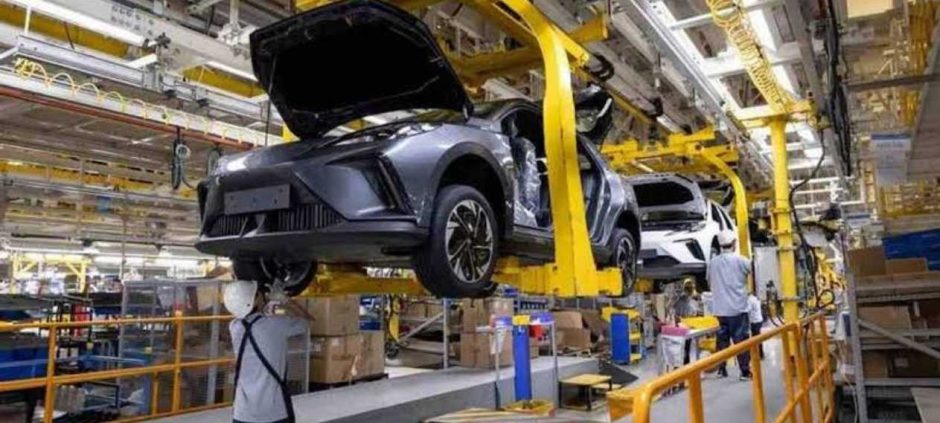
The automotive industry in Pakistan has undergone significant changes over the past several years.
Haroon Akhtar noted that the number of car manufacturers operating in the country increased from three to 13 under the previous two auto policies.
The increase in the number of manufacturers has resulted in a more competitive market, making competition an important factor in the development of the new policy.
The government will therefore need to consider how changes in duties and tariffs affect both established manufacturers and newer entrants into the local automotive market.
A more competitive market could also provide consumers with a wider range of vehicles, depending on how manufacturers respond to the policy changes.
Electric Vehicles Become a Major Focus
The growing presence of electric vehicles (EVs) is another major factor influencing the new automotive policy.
Akhtar described the arrival of electric vehicles as one of the biggest changes in Pakistan’s automobile sector in recent years.
He said the new policy would include measures designed to facilitate EVs as the government considers the changing structure of the automotive market.
The shift toward electric mobility has introduced new considerations for policymakers, manufacturers and consumers. These include vehicle affordability, charging infrastructure, investment, manufacturing and the development of supporting industries.
The new policy is therefore expected to take the increasing importance of electric vehicles into account as Pakistan develops its future automotive framework.
Government Wants More Affordable Vehicles
A key objective identified by Haroon Akhtar is to make vehicles more affordable for consumers.
The government is also seeking to maintain a balance between consumer affordability and the competitiveness of vehicles produced locally.
According to Akhtar, the policy aims to ensure that locally manufactured vehicles can compete with products in international markets while also addressing the cost of vehicles for domestic consumers.
This balance is expected to remain an important part of the policy framework as the government considers changes to customs and regulatory duties.
Lower additional duties could potentially alter the cost structure of vehicles and automotive components, although the final impact on retail prices will depend on the complete tariff structure and how manufacturers respond to the changes.
National Tariff Policy Influences Auto Framework
The development of the new automotive policy is also taking place alongside Pakistan’s broader national tariff policy.
Akhtar said the introduction of the national tariff policy was among the factors that contributed to the time required to finalize the new automotive framework.
Tariff policy can influence the cost of imported vehicles, components and raw materials while also affecting the competitiveness of domestic manufacturing.
The government is therefore attempting to align the automotive policy with wider trade and tariff objectives.
The final framework will determine how these measures are applied to the automotive sector and how manufacturers, importers and consumers are affected.
Policy Expected to Shape Auto Industry
Pakistan’s automotive sector has been undergoing structural changes, with new manufacturers entering the market and electric vehicles becoming increasingly prominent.
The new policy is expected to establish the government’s approach toward competition, vehicle affordability, local manufacturing and emerging technologies.
The decision to remove additional customs and regulatory duties, as outlined by Haroon Akhtar, could represent a significant change in the existing duty structure. However, the precise effect will only become clearer once the government releases the complete policy and its implementation details.
For now, officials say the policy is in its final stages, with legal work being completed before its formal announcement.
The government is expected to provide further details regarding the new duty structure, EV incentives, manufacturing requirements and other measures once the policy is officially unveiled.
The upcoming framework could consequently play an important role in shaping Pakistan’s automotive market in the coming years, particularly as competition increases and the industry moves toward greater adoption of electric vehicles.
Also read: Pakistan Finalizes New Auto Policy 2026-31