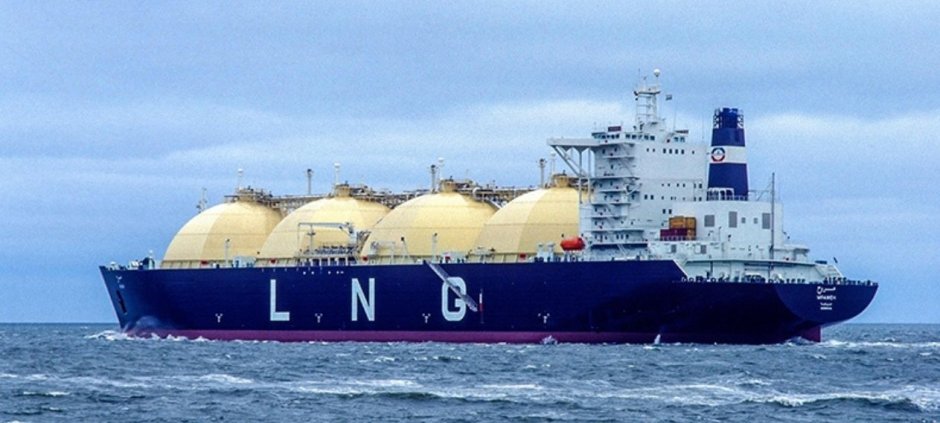
Pakistan has received its first liquefied natural gas (LNG) shipment for October, providing additional supplies ahead of the winter season. However, concerns remain over whether the country will have enough gas to meet rising demand during the winter of 2026-27.
The LNG vessel Al Areesh, carrying a shipment from Qatar, arrived at the Engro LNG terminal on Tuesday at 11:05 am. The process of converting the imported LNG back into natural gas began at noon, according to the provided information.
The shipment comes as Pakistan prepares for a seasonal increase in gas consumption. Colder temperatures typically raise demand from households, businesses and industries. The country is expected to require 24 LNG cargoes to meet its gas needs throughout the upcoming winter.
Winter Gas Demand Expected to Rise Sharply
Gas demand is expected to increase significantly as temperatures fall across the country. Sui Northern Gas Pipelines Limited (SNGPL) is projected to see consumption rise from the current 550 million cubic feet per day (mmcfd) to around 1,550 mmcfd during winter.
This would represent an increase of 1,000 mmcfd, putting additional pressure on the gas utility to maintain supplies across its service areas. Households and businesses could face difficulties if available supplies fail to keep pace with demand.
Demand in areas served by Sui Southern Gas Company (SSGC) is also expected to increase. Consumption is projected to rise from 300 mmcfd to approximately 500 mmcfd during the winter months.
The expected rise in demand highlights the importance of securing imported LNG and managing domestic gas resources. Timely shipments will be essential to help utilities meet the needs of different consumer groups.
Industries Could Face Gas Supply Disruptions
The possibility of a gap between gas demand and available supplies has raised concerns among industrial consumers. Businesses that depend on natural gas for their operations could face interruptions if supplies become limited during periods of peak demand.
Export-oriented industries may face challenges in maintaining production if they cannot secure sufficient gas. Any disruption could affect manufacturing schedules and create difficulties for businesses working to fulfil export orders.
Non-export industries could also experience problems. CNG stations and cement manufacturers are among the sectors that may face supply restrictions if the country struggles to meet winter demand.
Gas shortages can affect production costs, business operations and overall economic activity. Industries may need to adjust their schedules if supplies are reduced during the colder months.
Pakistan Needs 24 LNG Cargoes for Winter
The expected requirement of 24 LNG cargoes underlines the scale of Pakistan’s winter energy challenge. The first October shipment provides additional supplies, but further deliveries will be needed to meet the country’s projected requirements.
Pakistan relies on imported LNG to supplement domestic natural gas production. These imports become particularly important when consumption increases during winter.
The availability of cargoes, the timing of deliveries and the management of existing supplies will all play an important role in determining whether demand can be met. Delays or insufficient supplies could increase pressure on the national gas network.
Winter Gas Supply Remains a Major Challenge
Pakistan’s first LNG shipment for October offers some support to the country’s energy system ahead of winter. However, the expected rise in demand from SNGPL and SSGC means that supply management will remain a major challenge.
Households, commercial users and industries will depend on the availability of sufficient gas during the coming months. Securing the required LNG cargoes and carefully managing available resources will be important to reduce the risk of shortages during the 2026-27 winter season.
Also read: Pakistan Gets Delayed Qatar LNG Cargo