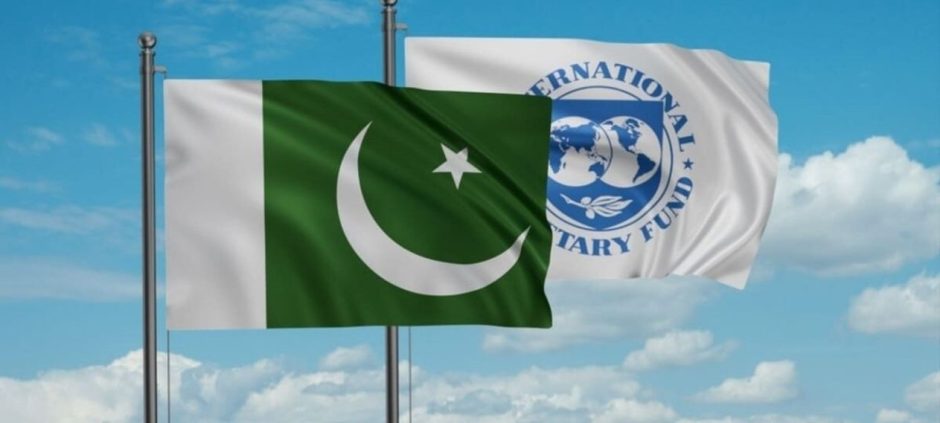
Pakistan has officially received $1.2 billion from the International Monetary Fund (IMF) under the Extended Fund Facility, boosting the country’s foreign reserves.
According to officials, the funds were transferred after the IMF completed its latest review, clearing Islamabad for immediate disbursement.
The inflow is expected to ease pressure on the economy, strengthen the rupee, and support Pakistan’s ongoing macroeconomic stabilisation targets.
Authorities said the fresh funding will help the government meet external payment obligations while creating space for essential imports and development priorities.
Economic analysts note that the IMF tranche arrives at a critical moment when Pakistan is trying to rebuild investor confidence.
They added that further progress will depend on continued reforms, stronger revenue measures, and tighter monitoring of fiscal performance.
Officials emphasised that the IMF board appreciated Pakistan’s efforts to maintain discipline despite difficult political and economic conditions.
The lender highlighted improvements in revenue collection, energy-sector restructuring and steps taken to reduce losses in state-owned enterprises.
The government pledged to maintain commitment to agreed reforms, particularly in taxation, power tariffs and central bank autonomy.
Experts believe sustained implementation will determine the success of future programme reviews and additional fund releases.
The new IMF inflow also strengthens Pakistan’s position in talks for upcoming multilateral financing packages.
Economists say the support may encourage friendly countries and global lenders to expand cooperation with Islamabad.
The finance ministry confirmed that the reserves held by the State Bank will increase once the inflow is reflected in the weekly data.
Officials stressed that external stability remains the government’s top priority, with reforms aimed at controlling inflation and restoring growth.
They added that the country must remain consistent with long-term commitments to avoid future financial crises.
Independent observers warn that Pakistan’s debt burden still requires careful management and disciplined fiscal planning.
They believe the IMF programme can provide stability only if structural reforms continue without political interruptions.
With the latest tranche secured, the government says it will focus on improving exports, investment and domestic industrial productivity.
Also read: Pakistan Warns UN: Afghanistan Becoming Terror Haven