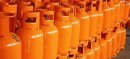
Liquefied petroleum gas (LPG) prices have surged across Pakistan following the closure of two key border crossings with Iran. The disruption has halted major LPG imports, creating supply shortages and raising concerns about further price increases as winter approaches.
Traders say the price of a 12-kilogram LPG cylinder has increased from Rs. 4,500 to around Rs. 7,000 within days. Prices are even higher in some parts of the country, putting additional pressure on households and businesses that depend on LPG for cooking and heating.
The Gabd-Rimdan and Taftan border crossings were closed on October 17. The closures disrupted trade between the two countries and left hundreds of trucks, including LPG tankers, stranded on both sides of the border.
Why Were the Pakistan-Iran Borders Closed?
The two countries gave different reasons for the border closures. The Balochistan government said the temporary restrictions were intended to address security concerns and control smuggling.
Iran’s Foreign Ministry, however, cited technical issues. The closures affected the movement of goods between Pakistan and Iran, including fuel supplies and agricultural products.
The Gabd-Rimdan crossing later reopened on Wednesday for Pakistani exports of perishable goods. However, traders reported that LPG imports remained halted, leaving uncertainty over when normal supplies would resume.
Iran is an important source of LPG for Pakistan’s border regions and other markets. The interruption has therefore raised concerns about the availability and cost of the fuel.
Pakistan’s LPG Supply Hit by Import Disruption
Pakistan imports around 7,000 metric tons of LPG daily from Iran, according to the Pakistan LPG Association. More than 4,000 metric tons reportedly enters through the Gabd-Rimdan crossing alone.
With these imports suspended, traders fear that the shortage could become more serious if the border disruption continues.
Pakistan also depends on LPG for household cooking, commercial kitchens and other uses, particularly in areas where natural gas is unavailable or supplies are unreliable. A reduction in available LPG can quickly affect local markets and increase competition among buyers.
Traders have warned that the existing supply problems could push prices even higher unless imports resume soon.
LPG Cylinder Prices Rise in Different Cities
The impact of the disruption is already visible in several parts of Pakistan. Pakistan LPG Association Chairman Irfan Khokhar reported significant differences in cylinder prices across the country.
A 12kg LPG cylinder is selling for around Rs. 7,000 in Balochistan, Rs. 7,500 in Lahore and Rs. 8,200 in Skardu.
These prices are placing additional pressure on consumers who rely on LPG for everyday needs. Some buyers have also reported sharp increases in the price of LPG sold by weight.
Lahore resident Farhat Abbas said he previously paid Rs. 250 per kilogram but is now paying between Rs. 500 and Rs. 600 per kilogram.
The higher cost of fuel can also increase the operating expenses of businesses. Traders have warned that rising LPG prices may feed into the prices of other goods and services, adding to the financial burden on consumers.
Trucks and Pakistani Exports Stranded
The border closures have affected more than fuel supplies. Hundreds of trucks remain stranded on both sides of the border, including vehicles carrying LPG.
More than 1,000 Pakistani containers carrying potatoes, bananas and rice for Iran were also reported to be stuck. Although the Gabd-Rimdan crossing reopened for certain Pakistani exports, wider trade disruptions have continued to concern traders.
Truck drivers have complained about waiting for days in difficult conditions with limited access to basic facilities.
One affected driver, Abdul Ghani Baloch, said he had been waiting for more than a week for the border to reopen. The delays have created difficulties for drivers and businesses while increasing the risk of losses for traders transporting perishable goods.
The Quetta Chamber of Commerce and Industry has advised its members to stop placing new orders with Iran until further notice.
Pakistan and Iran Discuss Trade Resumption
Trade between Pakistan and Iran is economically important for businesses on both sides of the border. Bilateral trade totalled around $2.8 billion in the 2023-24 fiscal year, including approximately $684 million in Pakistani exports.
Pakistan’s army chief visited Tehran this week and discussed border-related issues with Iranian leaders. Iran’s Foreign Ministry has also said consultations on resuming trade are underway.
However, traders are waiting for clear progress on reopening the crossings and restoring LPG supplies.
The coming days will be important for consumers and businesses as winter demand approaches. If imports remain suspended, LPG shortages and higher prices could put further pressure on household budgets and commercial activity.
For now, traders and consumers are hoping that consultations between the two countries will lead to a resumption of normal trade and help stabilise LPG prices across Pakistan.