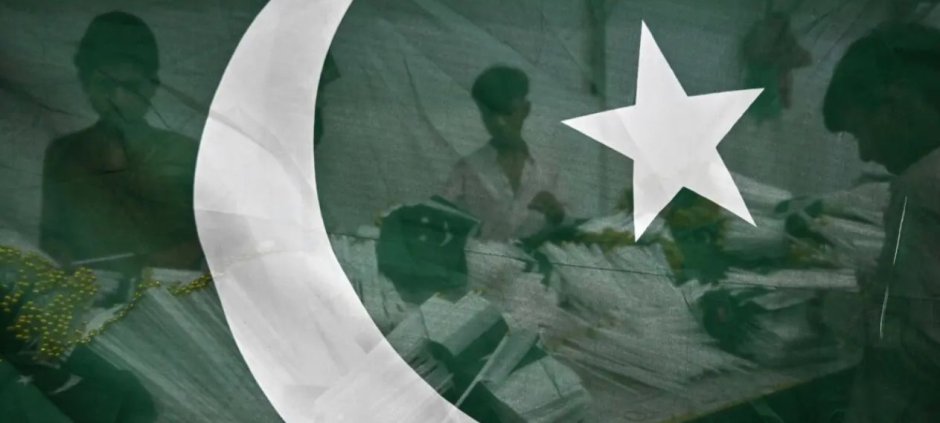
Pakistan could hold a nationwide referendum on the creation of new provinces as the federal government considers restructuring the country’s administrative boundaries and seeking public opinion on the proposal.
According to reports, the government is examining a plan to establish between 10 and 12 provinces across the country. Under the proposed arrangement, Punjab could be divided into four provinces, while Sindh, Khyber Pakhtunkhwa and Balochistan could each be divided into two.
Preparations for a possible public vote have reportedly gained momentum as political parties continue discussing the future administrative structure of Pakistan.
The government is considering holding the referendum before the Senate elections, which are expected in the first week of March 2027. However, no final date or official decision has been announced.
Pakistan Could Get 10 to 12 Provinces
The proposed restructuring could significantly change Pakistan’s existing provincial boundaries.
Under the reported plan, Punjab would be divided into four separate provinces, while Sindh, Khyber Pakhtunkhwa and Balochistan would each be divided into two.
The proposal is being discussed as a possible way to address administrative challenges, improve governance and bring government services closer to people living in different regions.
However, the creation of additional provinces remains a politically and constitutionally sensitive issue.
The proposed changes would require substantial political consensus and constitutional consideration before they could be implemented.
Government Considers Referendum Before March 2027
The federal government is reportedly considering holding a nationwide referendum before the Senate elections expected in early March 2027.
Upcoming sessions of the National Assembly and Senate are likely to be important in determining how the proposal moves forward.
According to the report, the government may also approach the courts to seek clarity on the legal and constitutional framework for conducting a referendum.
The objective would be to establish a clear process through which voters could express their views on the creation of new provinces.
However, the proposal is still under consideration, and the government has not formally announced a referendum schedule.
Mohsin Naqvi Proposes Letting the Public Decide
Interior Minister Mohsin Naqvi has emerged as one of the supporters of holding a public referendum on the creation of additional provinces or administrative units.
Speaking to reporters in Lahore on November 12, Naqvi suggested that political parties should allow the public to decide whether Pakistan needs more provinces.
He said he would support the outcome regardless of whether voters favoured or rejected the proposal.
Naqvi argued that political parties frequently emphasise democracy and the supremacy of the people, making a referendum an appropriate way to settle the debate.
He also assured coalition partners that no decision would be imposed against their wishes.
According to him, any move towards creating new provinces would require consensus among the ruling coalition partners.
Punjab Assembly Speaker Supports Public Vote
Punjab Assembly Speaker Malik Muhammad Ahmad Khan has also expressed support for allowing citizens to decide the matter through a referendum.
Speaking to the media in Lahore on Friday, he said public opinion should take priority over the positions of elected representatives on major national issues.
Referring to the Constitution of 1973, Khan argued that ultimate authority rests with the people.
He maintained that voters should determine whether new provinces should be established and that their decision should be respected, even if it differs from the positions of political parties.
His remarks also touched on the political disagreement surrounding the possible division of Sindh.
The Pakistan Peoples Party (PPP) has opposed dividing Sindh, making the proposal a particularly sensitive issue for political negotiations.
Rana Sanaullah Raises Constitutional Questions
While some political figures have supported a referendum, Prime Minister’s Adviser Rana Sanaullah has presented a different constitutional perspective.
He maintained that Parliament would retain the final authority over the creation of new provinces.
Sanaullah also questioned which institution or authority would have the legal power to conduct a referendum.
He argued that the matter would require parliamentary consideration and debate before any decision could be made.
His position highlights the constitutional questions that could complicate the government’s proposed approach.
A nationwide public vote may indicate public opinion, but the legal process for changing provincial boundaries would still need to be addressed through the constitutional framework.
Political Consensus Remains a Major Challenge
The proposal to create additional provinces has generated debate among political parties and government officials.
Supporters argue that smaller administrative units could improve governance, make public services more accessible and help address regional development concerns.
However, opponents have raised concerns about political representation, administrative costs and the potential impact on existing provincial identities.
The proposed division of Sindh is particularly controversial because of the PPP’s opposition.
Meanwhile, the federal government would need to address the positions of coalition partners and other political stakeholders before moving ahead.
What Happens Next?
The coming sessions of Parliament could provide a clearer picture of the government’s intentions regarding the proposed referendum.
Legal and constitutional consultations may also determine whether a public vote can be held before the expected Senate elections in March 2027.
For now, the proposal to establish 10 to 12 provinces remains under consideration rather than an approved government decision.
If the plan moves forward, voters could be asked to express their views on one of the most significant proposed changes to Pakistan’s administrative structure.
Also read: Shujaat Urges Consensus on Creation of New Provinces