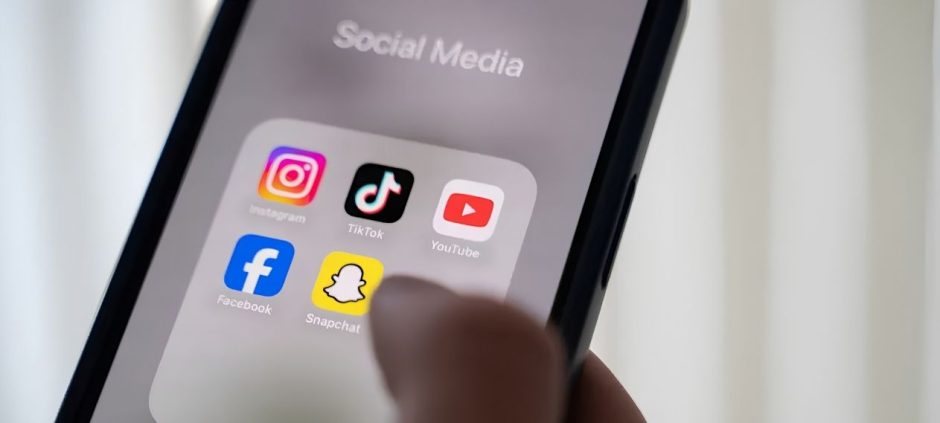
New Zealand is moving toward restricting social media access for children under the age of 16, with Prime Minister Christopher Luxon announcing plans to introduce a bill in Parliament.
The proposed legislation would require social media platforms to take reasonable steps to prevent users under 16 from accessing their services. Companies that fail to comply could face significant financial penalties of up to 10% of their global revenue.
Luxon said the government could not ignore the potential harm social media is causing young people, particularly through exposure to harmful content, addictive technologies and online pressures.
Platforms Could Face Heavy Fines
Under the proposed bill, social media companies would be expected to implement age-verification measures to determine whether users are old enough to access their platforms.
Possible methods could include checking existing account information, facial technology and digital identity documents.
Luxon acknowledged that enforcing such restrictions would not be straightforward, but argued that the potential benefits made the effort worthwhile.
He said the government would not expect the system to prevent every child from accessing social media, but maintained that action was necessary to address concerns surrounding children’s online safety.
Government Cites Impact on Children
The New Zealand government says excessive or harmful social media use can expose children to inappropriate content and pressures they may not yet be equipped to handle.
Luxon also linked concerns over social media with children’s family life, mental health, sleep and education.
The proposal comes amid growing international debate over whether governments should impose age restrictions on major social media platforms.
Coalition Partner Opposes Proposal
However, the proposed legislation faces political uncertainty.
New Zealand First, one of Luxon’s coalition partners, has indicated that it will not support the bill. Party leader Winston Peters criticised the proposal and expressed concerns about the broader consequences of legislation restricting children’s access to social media.
Peters also argued that parents should have the primary responsibility for deciding whether their children use social media.
His opposition could make it more difficult for the government to secure enough parliamentary support to pass the legislation.
Australia Already Has Similar Restrictions
New Zealand’s proposal follows Australia’s decision to become the first country to introduce a nationwide social media ban for children under 16.
Australia’s restrictions cover major platforms including TikTok, YouTube, Instagram and Facebook.
Peters criticised Australia’s approach, describing it as a failure and questioning whether government restrictions are the best way to protect children online.
New Zealand’s proposed law could therefore become another major test of how governments balance children’s safety with questions surrounding parental responsibility, privacy and access to digital platforms.
Also read: England Defeat New Zealand With Brilliant Batting