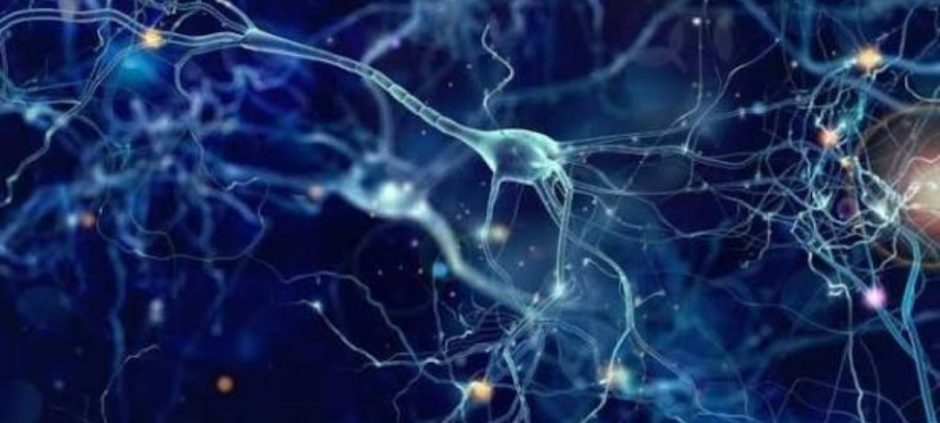
Scientists have identified a previously unknown form of cell death that may play an important role in Alzheimer’s disease and other neurodegenerative disorders. The discovery could improve understanding of how brain cells are damaged and may help researchers develop new treatments in the future.
The findings were published in the journal Nature Communications. Researchers say the newly identified process, called karyoptosis, appears to contribute to the loss of neurons during the progression of Alzheimer’s and certain other forms of dementia.
The study focused on how brain cells respond to proteotoxic stress. This condition occurs when abnormal or misfolded proteins build up inside cells. Protein accumulation is one of the main biological features seen in Alzheimer’s disease.
Scientists found that affected neurons do not always die through well-known processes such as apoptosis. Instead, some brain cells experience a different form of cell death in which the nucleus gradually breaks apart before the cell dies.
Researchers explained that karyoptosis begins when the cell’s natural protein recycling system becomes overloaded. This recycling process, known as the autophagy-lysosome pathway, normally removes damaged proteins and other waste from cells.
When the system can no longer manage the buildup of abnormal proteins, the protective structure surrounding the cell nucleus becomes unstable. As a result, the nucleus begins to lose its shape, DNA damage develops, and nuclear material starts leaving the cell.
The research team found that this process is linked to changes in a protein called Lamin B1. The stability of this protein is controlled by the p38 MAP kinase signaling pathway, which appears to play a major role in triggering karyoptosis.
To better understand the mechanism, scientists tested the process in several laboratory models. These included cultured neurons, fruit flies, and human neurons created from stem cells.
The experiments showed that blocking the p38 signaling pathway reduced damage to the nucleus. It also improved neuron survival and lowered several disease-related changes. These results suggest that the pathway could become a possible target for future treatments.
The researchers also wanted to know whether the same process occurs in people. They examined post-mortem brain tissue from patients diagnosed with Alzheimer’s disease and frontotemporal dementia.
Using single-cell analysis, they found clear signs of karyoptosis in affected brain cells. These damaged neurons were significantly more common in diseased brains than in healthy brain tissue from people of similar age.
According to the researchers, karyoptosis may account for an additional 18 to 20 percent of neuronal degeneration in Alzheimer’s disease and frontotemporal dementia beyond the changes normally associated with aging.
The scientists believe this discovery provides a new explanation for how toxic protein accumulation damages brain cells. It also offers fresh insight into the biological processes behind neurodegenerative diseases.
Although more research is needed before any treatment becomes available, the findings open a new direction for medical research. Future studies will determine whether therapies targeting karyoptosis or the p38 signaling pathway can slow or reduce brain cell loss.
In other related news also read
Researchers say understanding this newly identified mechanism could eventually support the development of better treatments for Alzheimer’s disease and other disorders that gradually damage the brain.