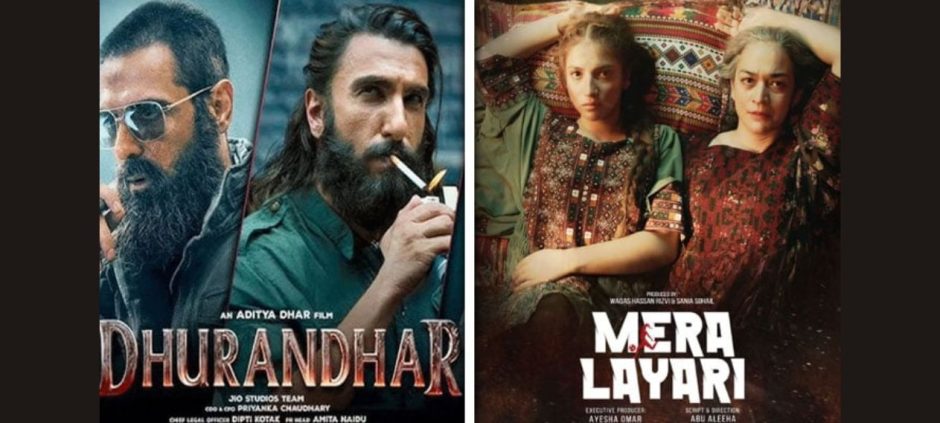
Ever seen a film spark a national-level conversation overnight? That’s what happened when Dhurandhar movie hit screens, putting Lyari culture Pakistan in the spotlight, not always positively.
In response, the Sindh government announced Mera Lyari, aiming to counter the “negative portrayal of Lyari” and show its true spirit of resilience, talent, and community pride.
In this blog, we explore: both films, public reactions, Lyari’s real story, controversies around Chaudhry Aslam, and whether Mera Lyari is truly needed.
What Is Mera Lyari Movie? Official Announcement & Purpose
The film was announced by Sindh’s Information Minister Sharjeel Inam Memon, who highlighted its aim: to portray Lyari’s culture, arts, sports, and everyday heroes rather than violence or crime.
The Mera Lyari cast includes Nadeem Ejaz, Samina Ahmed, Dananeer Mobeen, produced by Ayesha Omar, and directed by Abu Aleeha. The Mera Lyari release is slated for next month, strategically following Dhurandhar’s controversial debut.
Social media reactions have ranged from excitement to curiosity, with many locals eager to see their Lyari environment and history depicted authentically.
What Dhurandhar Is All About
Dhurandhar movie, starring Ranveer Singh, is inspired by the Lyari gang war and intelligence operations in Karachi. The film portrays Lyari as a war zone, blending spy thriller elements with local underworld stories.
While some appreciated its cinematography and thriller elements, many Pakistanis criticized the film for exaggerating violence and pushing a negative portrayal of Lyari, overshadowing its cultural richness.
Despite controversy, it became a box office hit, sparking discussions across social media and news platforms about Lyari culture, Pakistan cinema, and historical accuracy.
Chaudhry Aslam: Real Hero vs On‑Screen Representation
One flashpoint was the depiction of Chaudhry Aslam, Karachi’s legendary SSP, portrayed by Sanjay Dutt.
His widow, Noreen Aslam, slammed the portrayal, claiming disrespect toward his legacy and warning of legal action if the depiction remained inaccurate. This debate became symbolic of the larger struggle over narratives and historical respect in cinema.
The controversy highlights the delicate balance between cinematic dramatization and honoring real-life heroes, reminding audiences that storytelling can shape public perception of Lyari environment and history.
Lyari’s Real Story: Culture, Environment & Challenges
Lyari is a neighborhood rich in culture, known for football, music, community cohesion, and resilience.
Yes, it has faced gang wars and socio-economic challenges, but it’s also a hub of talent, arts, and pride. Many locals praised Dhurandhar for highlighting some cultural aspects, even as they criticized inaccuracies.
Mera Lyari movie aims to showcase this true Lyari culture, portraying its community spirit and talent in a way that mainstream cinema often overlooks.
Dhurandhar Criticisms Beyond Lyari
When Dhurandhar released, it wasn’t just Lyari locals who noticed issues. Critics and viewers across Pakistan quickly pointed out areas where the film misrepresented culture, history, and real-life heroes. Let’s break down the main points of contention.
Factual Inaccuracies and Cultural Misrepresentation
Critics in Pakistan highlighted factual inaccuracies, dramatized violence, and misrepresentation of Pakistani culture in Dhurandhar movie. Many argued that Karachi and Lyari were portrayed as dangerous and lawless, overshadowing the city’s vibrant community life, sports culture, and arts.
Social media users pointed out inconsistencies in street life, local habits, and cultural settings, claiming they were exaggerated for cinematic effect. While the film’s production quality and action sequences were appreciated, some felt it distorted Lyari culture and environment, contributing to stereotypes rather than understanding.
Character Portrayals, Law Enforcement, and Public Reactions
Another major point of criticism was the portrayal of Chaudhry Aslam, played by Sanjay Dutt. Critics and locals argued the film oversimplified real-life heroics and police efforts against gangs, reducing complex events to cinematic drama.
Dialogues, costume choices, and character arcs fueled online debates about whether the actors truly captured the essence of Lyari culture and community resilience. Fans also compared the movie to real events, questioning if cinematic freedom justified distortions of historical facts.
This criticism reflects a broader conversation about Pakistan cinema response, cultural responsibility, and the impact of foreign films portraying local neighborhoods. Audiences emphasized the need for authentic storytelling that respects Lyari’s heritage, environment, and rich culture.
Mera Lyari: Goals, Expectations & Cultural Responsibility
The Sindh government’s rationale is simple: give Lyari a voice and counter negative narratives.
Mera Lyari highlights local talent, arts, sports, and social resilience, showing the city’s vibrancy rather than just crime. By presenting Lyari culture, environment, and history authentically, the film aims to set a precedent for responsible storytelling in Pakistan cinema.
For audiences, it’s a chance to see real-life stories, local heroes, and cultural richness rather than a sensationalized depiction.
Do We Need Mera Lyari?
Let’s take a step back and look at why this film matters.
Giving Voice to Lyari
Mera Lyari can highlight Lyari’s culture, music, sports, and community resilience. Showing the neighborhood beyond gang wars allows audiences to appreciate its vibrancy and talent.
Cultural Responsibility vs Propaganda
There’s a fine line between storytelling and political messaging. While government backing ensures reach, oversimplification could risk authenticity.
Engagement is Key
To succeed, the film must be entertaining. A narrative focused on real stories, relatable characters, and community spirit can prevent it from feeling preachy.
Balancing Perspectives
Dhurandhar showed some cultural aspects, but with exaggeration. A nuanced Mera Lyari movie can complement it, highlighting both challenges and achievements of Lyari residents.
Commercial vs Cultural Impact
Success isn’t only ticket sales. If the film educates, inspires pride, and sparks discussion, it sets a benchmark for Pakistan cinema response and local storytelling.
Mera Lyari isn’t just needed, it’s crucial for authentic representation, dialogue, and cultural pride, showing that cinema can do more than entertain; it can reshape perceptions about Lyari culture and history.
Impact on Pakistan Cinema & Regional Narratives
Government-backed films like Mera Lyari reflect a shift in national storytelling. When local narratives compete with foreign portrayals, it challenges filmmakers to tell stories with authenticity, creativity, and cultural sensitivity.
If executed well, this approach can diversify Pakistan cinema, encouraging more films about social issues, local heroes, and regional cultures. Mera Lyari movie could mark the beginning of a cinematic trend where culture, resilience, and community pride take center stage.
Wrapping Up The Story: Storytelling Or Cultural Defense?
Cinema shapes perceptions. Dhurandhar sparked debate; now Mera Lyari offers an authentic, community-driven narrative.
Both films matter; one as critique, the other as response. Watching critically and appreciating nuance helps audiences understand Lyari beyond headlines.
For a deeper dive into the clash between these films and Chaudhry Aslam’s real-life legacy, check out: Dhurandhar vs Chaudhry Aslam: Real Hero vs Film.