For decades, cancer patients in Azad Jammu & Kashmir had to pack more than just medical files.
They carried fear, uncertainty, and long journeys to cities far away.
Today, that painful chapter begins to close.
The Kashmir First Cancer Hospital is no longer a promise, it’s a reality.
Located in Muzaffarabad, this historic facility marks a turning point for cancer care in AJK, offering treatment, dignity, and hope closer to home.
This blog explores why this hospital matters, how it changes lives, and what it means for the future of healthcare in Kashmir.
Kashmir’s First Dedicated Cancer Hospital Comes To Reality
For the first time in history, Kashmir has its own dedicated cancer treatment facility.
The hospital is officially known as KINOR (Kashmir Institute of Nuclear Medicine, Oncology & Radiotherapy), a specialized cancer center designed to meet modern medical standards.
Located in Muzaffarabad, the heart of Azad Jammu & Kashmir, this Muzaffarabad cancer hospital brings advanced care directly to a region that desperately needed it.
Here’s what makes KINOR truly significant:
- Operated by the Pakistan Atomic Energy Commission (PAEC)
- Focused entirely on cancer diagnosis and treatment
- Equipped with oncology, radiotherapy, and nuclear medicine services
This isn’t a general hospital with a small oncology ward. This is a purpose-built Kinor cancer hospital, created to handle complex cancer cases under one roof.
And for AJK, that distinction matters more than ever.
National-Level Inauguration And Government Support
Healthcare projects succeed when they’re supported at the top, and this one had national attention.
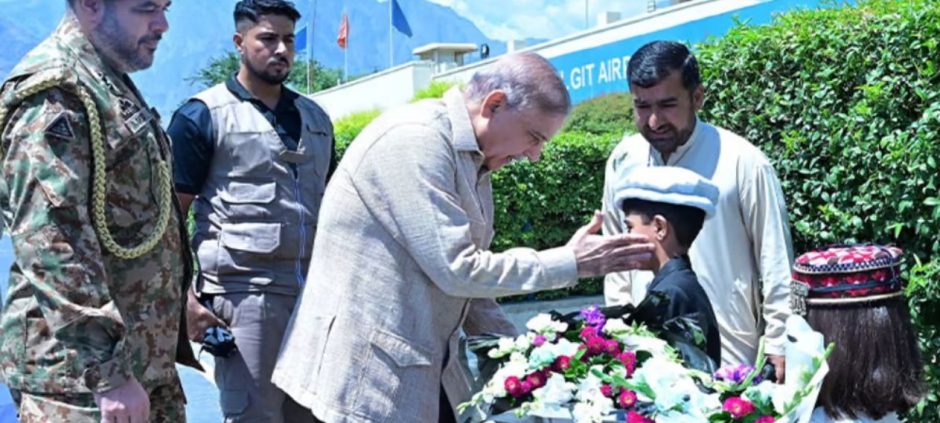
The Kashmir First Cancer Hospital was inaugurated by Prime Minister Shehbaz Sharif, alongside AJK leadership and senior officials. This wasn’t just a ribbon-cutting ceremony. It was a statement.
Government support brings long-term funding stability, ensuring the hospital can continue operating without interruptions or resource shortages. It also allows for skilled human resource deployment, meaning experienced doctors, oncologists, and technical staff can be appointed and retained over time.
Beyond staffing and funding, the hospital’s inclusion in national healthcare planning ensures it grows in line with Pakistan’s broader medical vision. History shows that government-backed healthcare initiatives tend to last and scale, making them more resilient, sustainable, and impactful for the communities they serve.
Pakistan’s broader healthcare vision already includes expansion projects, such as the government’s plan to establish a 200-bed cancer hospital in Islamabad by 2026, highlighting a national shift toward specialized care.
This momentum strengthens facilities like KINOR and ensures continuity across regions.
For AJK, this backing translates into something simple yet powerful: reliability.
Why This Hospital Is A Game-Changer For AJK Patients
Before KINOR, cancer treatment in AJK came with heavy costs.
Patients often had to travel to Islamabad, Rawalpindi, Lahore, etc. These journeys weren’t just inconvenient, they were exhausting, expensive, and emotionally draining.
Let’s pause here for perspective.
Cancer patients don’t just fight disease. They fight logistics. This KINOR Hospital changes that equation. Here’s how:
- Reduced travel stress for patients and caregivers
- Lower treatment costs without intercity expenses
- Earlier diagnosis, leading to better survival rates
- Continuity of care without long treatment gaps
Access to a Muzaffarabad cancer hospital also means patients are more likely to seek help early, a factor that significantly improves outcomes.
For remote areas of Kashmir, this hospital isn’t just nearby.
It’s reachable.
Advanced Technology And Modern Cancer Care Facilities
Cancer care isn’t only about availability. It’s about precision.
The KINOR cancer hospital Muzaffarabad is equipped with modern diagnostic and treatment technology designed to meet international standards.
Patients can access:
- Digital mammography for early breast cancer detection
- SPECT imaging for accurate nuclear diagnostics
- Radiotherapy units including linear accelerators
- Fully equipped pathology labs
- Specialized oncology teams trained in cancer management
Modern equipment doesn’t just improve comfort. It improves accuracy, efficiency, and survival rates.
This level of infrastructure brings Kashmir closer to Pakistan’s top oncology centers, without forcing patients to leave their homes behind.
Part Of PAEC’s Nationwide Cancer Care Network
The Kinor hospital isn’t standing alone. It is PAEC’s 21st cancer hospital, joining a trusted national network that treats a major portion of Pakistan’s cancer patients every year.
This network includes renowned institutions like NORI Islamabad, known for affordable, high-quality care.
PAEC’s healthcare model is built around affordability. By offering subsidized treatment, it ensures that cancer care remains accessible for low-income patients who would otherwise struggle to afford long and expensive therapies.
Another key strength lies in standardization. With uniform treatment protocols followed across PAEC hospitals, patients receive consistent, reliable care, no matter which city or facility they visit.
The system is powered by experienced oncology professionals. These specialists bring years of hands-on cancer treatment expertise, ensuring patients are guided by trained teams rather than trial-and-error care.
What truly elevates the model is nationwide access to advanced diagnostics. Complex tests and imaging support are not limited to one location, allowing hospitals like Kinor cancer hospital to tap into a broader medical network.
Together, this shared ecosystem gives Kinor the advantage of collective expertise, consistent quality, and a healthcare structure designed to last.
For AJK, that’s not just reassuring, it’s transformative.
What This Means For Healthcare In Kashmir
The impact of the Kashmir First Cancer Hospital goes beyond cancer treatment. It sets a precedent.
PAEC’s model goes beyond treating patients, it’s reshaping healthcare in AJK. By encouraging further investment in local medical facilities, it strengthens infrastructure while building trust in public sector hospitals. Communities benefit as the system reduces pressure on overcrowded urban centers, making care more accessible for everyone.
This approach aligns with Pakistan’s broader healthcare evolution, reflected in groundbreaking medical advancements, like blood group compatibility improvements in kidney transplants, highlighting the country’s growing commitment to innovation and patient-centered care.
KINOR fits perfectly into this evolving landscape. And for Kashmir, it marks the beginning, not the end, of healthcare development.
A New Chapter For Kashmir’s Healthcare
The launch of the Kashmir First Cancer Hospital is more than just a medical milestone. It brings long-awaited relief to families who once faced exhausting journeys for treatment, restores dignity to patients by allowing them to heal closer to home, and signals real progress for an entire region that has long struggled with limited healthcare access.
With KINOR Hospital in Muzaffarabad, cancer care in AJK has finally come home, accessible, affordable, and backed by modern medical expertise. For patients and caregivers alike, this shift changes not just treatment options, but lived realities.
If you or someone you know is looking for reliable cancer care in Kashmir, this hospital can be a life-changing starting point. Because when treatment comes closer, hope doesn’t just follow, it grows.
Frequently Asked Questions
Q. Who Can Get Treatment At KINOR Hospital?
KINOR primarily serves patients from Azad Jammu & Kashmir, but referrals from nearby regions may also be accepted based on capacity and medical need.
Q. Is Cancer Treatment Free Or Subsidized?
Like other PAEC hospitals, KINOR offers subsidized treatment, especially for deserving and low-income patients.
Q. Do Patients Need A Referral?
Some specialized treatments may require referrals, while general diagnostics and consultations can be accessed directly.
Q. What Types Of Cancer Are Treated Here?
The hospital manages a wide range of cancers, including breast, lung, gastrointestinal, and blood-related cancers.
Q. Does KINOR Offer Radiotherapy On-Site?
Yes. The hospital is equipped with modern radiotherapy and nuclear medicine facilities.