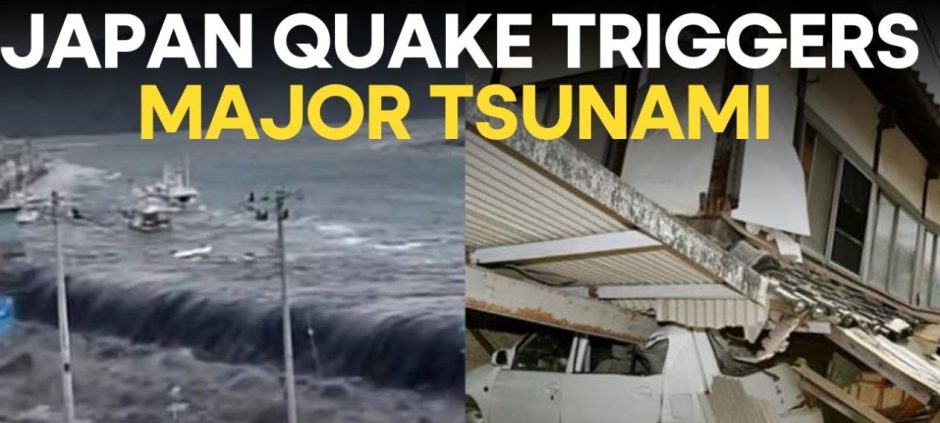
A powerful earthquake shook northern Japan late on 8 December 2025, reminding the world of the constant seismic threat. Offshore near Aomori and the Sanriku coast, a magnitude 7.5 earthquake triggered tsunami warnings, evacuations, and a rare “megaquake advisory.” This event highlights Japan’s seismic vulnerability, and the importance of preparation for both residents and visitors.
In this post, we cover what happened during the 2025 Sanriku earthquake, including where and when it struck, the tsunami warnings issued, the actual impact and aftermath, the official response along with the rare megaquake advisory, the historical context and lessons for Japan and the world, and practical safety tips for residents and travelers.
The 2025 Sanriku Earthquake
Quick summary of the earthquake’s basic details for easy reference:
Date & Time: 8 Dec 2025, 11:15 p.m. JST (14:15 UTC)
Magnitude: 7.5 (initially 7.6)
Epicenter: 80 km offshore, Aomori Prefecture, depth ~50–54 km
Seismic Intensity: Shindo 6 upper in areas like Hachinohe
Initial Tsunami Warning: Up to 3 meters for Hokkaido, Aomori, and Iwate coasts
Evacuations: ~90,000 residents advised or ordered to evacuate
Immediate Impact: Tsunami, Damage & Evacuations
The quake rattled the northern coast of Japan, prompting rapid warnings and evacuations. Here’s a closer look at what actually unfolded.
Tsunami Observations
Early measurements revealed the scale of the waves and helped authorities adjust warnings.
- Measured waves ranged from 20 cm to 70 cm (~8–27 inches) at northern ports.
- Actual tsunami was far lower than the initially predicted 3 meters.
- Warning downgraded to advisory by early 9 Dec, then lifted entirely.
Damage & Disruption
Even moderate quakes can cause disruption, here’s what happened in this case:
- Injuries: 23–34 people, mostly from falling objects and minor accidents.
- Infrastructure: Minor building damage; no major collapses or nuclear issues.
- Transport: Temporary rail and Shinkansen suspensions.
- Power: Brief outages in affected regions.
Official Response & Megaquake Advisory
Authorities acted quickly, issuing warnings and advisories while monitoring the region for aftershocks.
Tsunami Warning Timeline
Immediately after the quake struck, the Japan Meteorological Agency (JMA) issued tsunami warnings for Hokkaido, Aomori, and Iwate. Authorities quickly alerted residents along the coast to move to higher ground and follow evacuation procedures.
By early 9 December, as tsunami measurements came in and waves proved smaller than initially feared, the warnings were downgraded to advisories. Officials continued to advise caution but signaled that the immediate danger had lessened.
Later that morning, all tsunami warnings and advisories were fully lifted, allowing residents to return home and normal activities to resume. Authorities, however, reminded people to stay alert for aftershocks and follow any further guidance.
Megaquake Advisory
Alongside the tsunami alerts, the JMA issued a rare megaquake advisory for the northern region, highlighting the potential, though unlikely, risk of a magnitude 8+ earthquake along the trench zones near Hokkaido and the Sanriku coast.
Residents were urged to secure furniture at home to prevent injuries, pack emergency kits with essentials like food, water, and important documents, and review evacuation plans to ensure everyone in the household knew the safest routes. Authorities emphasized staying alert while continuing daily life, balancing caution with normal routines.
Historical Context: Why This Matters
Understanding Japan’s seismic history helps explain why this quake triggered such a strong response.
Remembering 2011
The region has a history of devastating earthquakes, most notably the 2011 Tohoku earthquake and tsunami, which struck a similar area along the Sanriku coast. That disaster caused massive destruction, including widespread flooding and structural damage.
The subsequent nuclear accident at Fukushima highlighted the long-term risks posed by such seismic events, reminding the world how even well-prepared nations can face unexpected crises. The 2025 quake, while less severe, revives those memories and underscores the importance of continuous vigilance and readiness for both residents and authorities.
Scientific Perspective
Geologists explain why authorities remain cautious, even after a moderate quake like the recent 7.5 magnitude tremor. Large offshore earthquakes often occur in clusters or as foreshocks, making it difficult to predict if a larger event will follow.
The megaquake advisory issued by Japan’s Meteorological Agency is therefore precautionary rather than predictive, aiming to encourage preparedness without causing undue alarm. Residents are advised to stay alert, maintain emergency plans, and respect the advisory while continuing daily life.
Safety Tips For Citizens & Travelers
Preparation is key. Whether you live in Japan or are visiting, here’s how to stay safe.
Stay Informed
Always keep updated with official sources and alerts:
- Monitor JMA alerts, local government announcements, and NHK.
- Use apps for earthquake early warnings and tsunami notifications.
Evacuation & Emergency Kit
Having a plan and essentials ready can save lives:
- Know nearest high ground and evacuation routes.
- Keep essentials ready: water, food, flashlight, phone charger, important documents.
Home & Travel Safety
Take practical steps to reduce risk at home or during travel:
- Secure heavy furniture and appliances at home.
- Visitors to Hokkaido or Sanriku should check local advisories and avoid beaches after a quake.
- Maintain a disaster readiness mindset, understanding that a megaquake advisory is a precaution, not a prediction.
For perspective on earthquakes in other regions, see how a 7.4-magnitude quake recently hit the Philippines.
Event Timeline: Quake to Aftershocks
A chronological view helps residents and travelers understand the flow of events.
- 23:15 JST, 8 Dec: Main quake strikes.
- Immediately: JMA issues tsunami warnings for Hokkaido, Aomori, and Iwate.
- Minutes–hours: First tsunami waves recorded (~20–70 cm). Evacuations begin.
- Early 9 Dec: Warnings downgraded, then lifted.
- Post-quake hours/days: Injuries reported, power outages, rail and Shinkansen suspended.
- Aftershocks & Megaquake Advisory: Residents reminded to stay alert.
Expert Insights & Future Risks
Experts explain the current and future risk for Japan and visitors.
- Probability of an M8+ quake remains low (~1%) but justifies preparedness.
- Authorities emphasize securing homes, packing emergency kits, and reviewing evacuation routes.
- Coastal infrastructure, including nuclear plants, undergo inspections before transport services resume.
- Travelers should stay updated and flexible in travel plans.
Earthquake risk isn’t just a local concern, international visitors must respect the alert system.
Broader Lessons For Japan & The World
Even moderate earthquakes can create significant disruption. Evacuations, injuries, temporary power outages, and halted transport show that the effects of seismic events go beyond what we immediately see.
Tsunami alerts must never be ignored, even when wave heights appear modest. The 2025 Sanriku quake proves that taking warnings seriously, no matter the scale, saves lives and prevents panic.
Preparedness is key. Japan’s robust early-warning systems, public awareness campaigns, and resilient infrastructure demonstrate how proper planning can reduce risk and protect communities.
Finally, long-term vigilance is essential. Aftershocks and potential future megaquakes remain a threat, and other countries along subduction zones can learn from Japan’s approach to early-warning drills, education, and infrastructure resilience.
Final Note
TThe 2025 Sanriku earthquake is a reminder that seismic activity can be unpredictable, but preparation is always within our control. Residents should review evacuation plans, keep emergency kits ready, and secure heavy furniture to minimize risk.
Travelers to northern Japan need to stay alert, follow local advisories, and be flexible with plans. Awareness and readiness are essential not just for locals, but for anyone in affected areas.
Simple measures, like storing essentials and staying informed, can make a huge difference during emergencies. Preparedness is inexpensive but priceless in protecting life and property.
For additional context on recent quakes in the region, see how 3 killed after 5.7-magnitude quake hits Bangladesh & India.
Frequently Asked Questions
Q: Could a bigger quake happen now?
Yes, the megaquake advisory increases awareness for a possible M8+ quake, but it is precautionary, not a prediction.
Q: Should travelers cancel plans to northern Japan?
Not necessarily. Stay alert, avoid coastal areas temporarily, and follow official advisories.
Q: If tsunami warnings were lifted, why remain cautious?
Aftershocks are common, and subduction zones remain under stress. Safety and readiness remain important.
Q: Do inland residents need to prepare?
Yes, strong shaking can affect non-coastal areas. Secure furniture and maintain an emergency kit.
Q: Can the world learn from Japan’s experience?
Absolutely. Countries on subduction zones benefit from early-warning systems, drills, and public education, just like Japan.