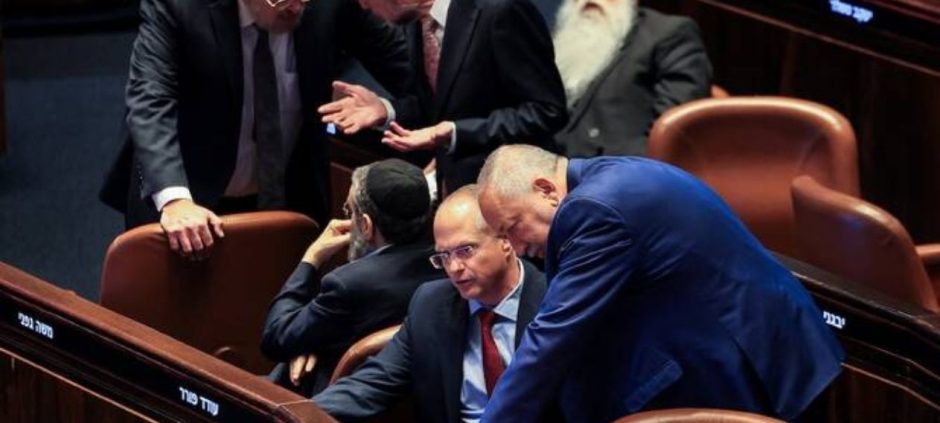
Israel has officially entered election mode after the Knesset voted to dissolve itself, paving the way for parliamentary elections on October 27. The move ends the current parliamentary term and places Prime Minister Benjamin Netanyahu’s government in a caretaker role until a new administration is formed.
The dissolution came after lawmakers approved the measure during an overnight session, just before the Knesset was due to begin its summer recess. As a result, parliament will not reconvene before Israelis head to the polls.
Prime Minister Benjamin Netanyahu will now seek another term in office amid mounting political pressure. The election comes as Israel approaches the third anniversary of the October 7 attack that sparked nearly three years of conflict. Recent opinion polls suggest growing support for opposition parties led by former Prime Minister Naftali Bennett and a prominent centrist former military chief, posing a significant challenge to Netanyahu’s coalition.
Before dissolving, the Knesset passed several key and controversial pieces of legislation. Among the most debated were two bills effectively halting the enlistment of ultra-Orthodox men into military service, a move widely viewed as an effort to secure the backing of religious parties for Netanyahu’s future coalition.
Lawmakers also approved a temporary extension of mandatory military service from 30 months to 32 months, citing ongoing security requirements and operational demands faced by the Israel Defense Forces.
In addition, parliament passed several judicial and governance reforms, including legislation increasing government oversight of broadcast media and a bill separating the role of the Attorney General. Critics argue the measures weaken institutional checks and balances and form part of Netanyahu’s broader judicial overhaul agenda.
Knesset Speaker Amir Ohana highlighted the government’s completion of a rare full four-year parliamentary term, noting that lawmakers had passed nine budgets and hundreds of bills. Full parliamentary terms are uncommon in Israeli politics, with the country having held five national elections between 2019 and 2022 due to prolonged political instability.
With parliament officially dissolved, political parties are expected to finalize candidate lists, negotiate alliances and launch nationwide campaigns ahead of the October 27 elections.