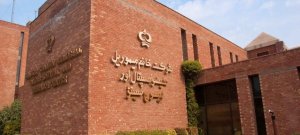
Government schools and colleges in Islamabad have started reopening after nearly three weeks of closure, allowing thousands of students to return to classrooms after educational institutions were used to accommodate police personnel ahead of Pakistan Tehreek-e-Insaf’s (PTI) planned protest march.
According to an official from the Federal Directorate of Education (FDE), instructions were issued late Sunday night to reopen most of the 38 affected institutions. The decision is expected to help restore academic activities that were disrupted by the prolonged closure.
However, around 10 schools and colleges will remain closed because police personnel are still staying on their premises.
Most Educational Institutions Resume Classes
The reopening follows weeks of disruption for students, teachers and parents across the federal capital.
Authorities began closing educational institutions on September 24, when arrangements were made to accommodate police personnel ahead of PTI’s planned rally.
The latest instructions allow most of the affected schools and colleges to resume academic activities. However, the continued closure of around 10 institutions means some students will have to wait longer before returning to their regular classrooms.
Officials have not indicated when all remaining institutions will reopen.
Late Announcement Creates Difficulties
The decision to reopen schools and colleges was communicated late Sunday night, leaving limited time for administrators to inform students, parents and teaching staff.
A school principal said the short notice made it difficult to communicate the reopening arrangements in time. Attendance was expected to improve by Tuesday as students and teachers received the necessary information.
The late announcement also created challenges for families who needed to make arrangements for transportation and other school-related responsibilities.
Parents and Teachers Raise Concerns
The prolonged closure drew criticism from parents and teachers, who expressed concern about the impact on students’ education.
Missing several weeks of classes can disrupt lesson plans, examination preparation and the completion of academic syllabuses. Teachers may also need additional time to help students catch up on missed lessons.
Parents have been concerned about the academic consequences of the disruption, particularly for students preparing for important examinations.
The continued closure of some institutions means that the disruption has not ended for every student in Islamabad.
H-9 College Faces Academic Concerns
H-9 College was among the educational institutions affected by the closures.
The college recently secured a position in the Federal Board examinations for the first time in its history. A faculty member expressed concern that the prolonged interruption could affect the institution’s academic progress.
The concern highlights the broader impact that extended closures can have on institutions working to improve examination performance and academic standards.
For students and teachers, restoring regular classes will be important for maintaining progress and preparing for upcoming assessments.
When Will All Institutions Reopen?
Most of the 38 affected institutions have been instructed to resume classes, but around 10 schools and colleges remain closed while police personnel continue to occupy their premises.
The reopening of the remaining institutions will depend on when the premises become available for educational use.
For now, the return to classes marks a step towards restoring normal academic routines in Islamabad after weeks of disruption. Parents, students and teachers will be looking for further updates from education authorities regarding the remaining closures.
Also read: Islamabad Launches ‘Uraan’ Riding School for Women