Traveling across Pakistan used to take a very long time. Roads were often crowded and not in the best condition. Then came the motorway network. This system of high-quality roads changed how people and goods move around the country. Many believe Pakistan’s Motorway is the fastest and best way to travel. But is this always true?
This article will look closely at the motorway system. We will see how it compares to other ways of travel, like trains and planes. We will check the speed, cost, and comfort of using the motorway. By the end, you will have a clear idea if the motorway is the right choice for your next long journey across Pakistan.
What Makes Pakistan’s Motorway Special?
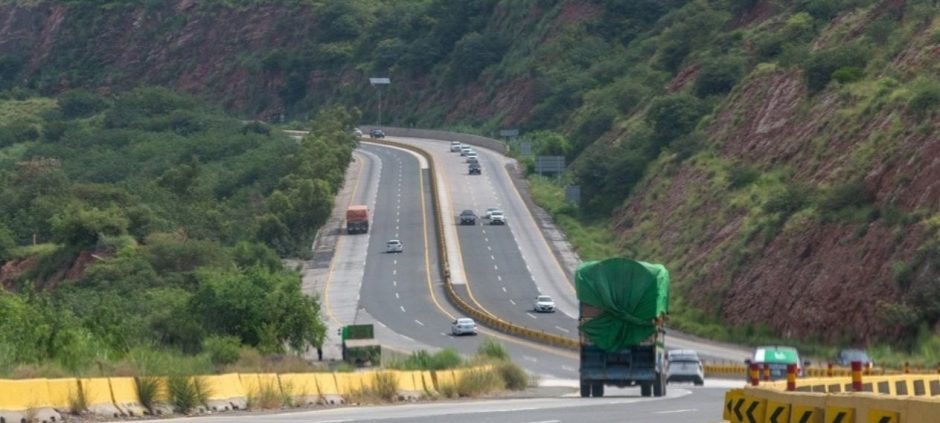
Pakistan’s Motorway system is a network of modern, well-maintained highways. These roads connect major cities from north to south and east to west. Unlike regular highways, motorways are designed for speed and safety. They have multiple lanes, gentle curves, and a smooth surface. This design allows cars to travel safely at high speeds, usually up to 120 kilometers per hour.
The system started with the M2, which connects Lahore and Islamabad. It was a game-changer for travel between these two important cities. Since then, the network has grown a lot. New sections have been added, like the M9 between Karachi and Hyderabad and the M3 connecting Lahore to Multan. The goal is to create a complete road network that makes the entire country more accessible. The National Highway Authority (NHA) manages these roads and works to keep them in top shape.
Wondering if Pakistan’s motorway system is really the fastest way to travel across the country? For a stress-free journey, check out our complete M2 Motorway Toll Plaza guide with the latest updates and smart travel tips.
Speed and Time: The Motorway’s Biggest Advantage
When we talk about the fastest way to travel, time is the most important factor. Pakistan’s Motorway system was built to reduce travel time significantly. Let’s see how it does. A trip from Lahore to Islamabad on the old Grand Trunk (GT) Road could take over six hours. On the M2 motorway, the same journey often takes less than four hours. This is a huge time saver.
The high speed limit is the main reason for this. Cars can maintain a steady, high speed without stops, traffic lights, or city congestion. The roads are also direct, providing the shortest route between many cities. For example, traveling from Multan to Sukkur became much faster with the opening of the M5 motorway. This section is a key part of the China-Pakistan Economic Corridor (CPEC), designed to improve trade and transport.
However, the total travel time is not just the time spent on the motorway. You must also consider the time it takes to get to the motorway entrance and from the exit to your final destination. In big cities like Karachi or Lahore, this can add a lot of time to your journey. So, while the motorway itself is very fast, your complete door-to-door travel time might be longer.
Comparing Motorways with Trains and Flights
To know if the motorway is truly the fastest, we must compare it with other options. The main alternatives for long-distance travel in Pakistan are trains and airplanes.
Motorway vs. Train Travel
Train travel is a classic way to see the country. Pakistan Railways connects many towns and cities. On some routes, trains can be quite fast. For example, the Green Line train service offers a comfortable journey between Karachi and Islamabad. The travel time is around 22 hours. Driving this route by car using the motorways would take a similar amount of time, maybe a little longer, without stops.
The big difference is the experience. On a train, you can relax, sleep, read, or walk around. Driving requires constant focus and can be very tiring over long distances. Also, train tickets can be cheaper than the cost of fuel and tolls for a car journey. However, trains can face delays. They run on a fixed schedule and might not go exactly where you need them to. With a car on Pakistan’s Motorway, you have the freedom to start whenever you want and stop wherever you like. For a family, traveling by car can also be more cost-effective than buying multiple train tickets.
Motorway vs. Air Travel
Flying is, without a doubt, the fastest way to cover long distances. A flight from Karachi to Islamabad takes about two hours. By car, this journey would take a full day of driving. So, if your only goal is to get from one major city to another as quickly as possible, flying is the winner.
But the total travel time for flying is more than just the flight itself. You need to travel to the airport, which can be far from the city center. You must arrive at least one or two hours before your flight for check-in and security. After you land, you have to collect your luggage and travel from the destination airport to your final location. When you add all this up, a two-hour flight can easily become a five or six-hour journey.
For shorter distances, like Lahore to Islamabad, flying makes less sense. The flight is only about 45 minutes, but with airport procedures, the total time is close to what it takes to drive on the motorway. Plus, air tickets are usually much more expensive than driving. Flying also limits how much luggage you can carry. With a car, you can pack as much as you need.
The True Cost of Motorway Travel
When deciding how to travel, cost is as important as time. Using Pakistan’s motorways is not free. You have to pay tolls at various points along your journey. The toll charges depend on the type of vehicle you are driving and the distance you travel. These tolls are used for the maintenance and security of the motorways.
The highest cost, however, is fuel. Driving hundreds of kilometers uses a lot of petrol or diesel. Fuel prices can change, which affects the total cost of your trip. You also need to think about the wear and tear on your car. Long drives can put stress on the engine, tires, and other parts.
When you add up the costs of tolls, fuel, and potential maintenance, a long motorway journey can be expensive. For a single person, it might be cheaper to take a train or a bus. But for a group or family traveling together in one car, the cost per person becomes much lower. It can often be cheaper than buying several plane or train tickets.
The Verdict: When is the Motorway the Fastest Choice?
After looking at all the factors, we can see that Pakistan’s Motorway is often, but not always, the fastest way to travel.
The motorway is likely your fastest option for:
- Medium distance travel: For journeys between 200 and 500 kilometers, like Lahore to Islamabad or Multan to Faisalabad. For these distances, the total travel time by car is often less than the total time for a flight.
- Traveling with family: A car gives you flexibility and can be more cost-effective for a group. You control your schedule and can carry more luggage.
- Reaching smaller towns: The motorway network provides access to many areas that are not served by airports or major train stations.
The motorway might not be the fastest option for:
- Very long distance travel: For cross-country trips like Karachi to Peshawar, flying is significantly faster. Driving would take more than a day and be very tiring.
- Solo travelers on a budget: For a single person, luxury bus services that use the motorway or train travel can be a more economical and less tiring choice.
Frequently Asked Questions
What is the speed limit on Pakistan’s Motorway?
The standard speed limit for cars on most motorways in Pakistan is 120 kilometers per hour.
Is the motorway safe for night travel?
Yes, motorways are generally considered safe for night travel due to good lighting, security patrols, and service areas.
How do I pay tolls on the motorway?
You can pay tolls with cash at toll plazas or use the M-Tag electronic system for faster passage.
Are there rest areas on the motorways?
Yes, there are service and rest areas at regular intervals with fuel stations, restaurants, and prayer facilities.
Which is the longest motorway in Pakistan?
The M5 Motorway (Multan-Sukkur) is one of the longest sections, stretching over 392 kilometers.