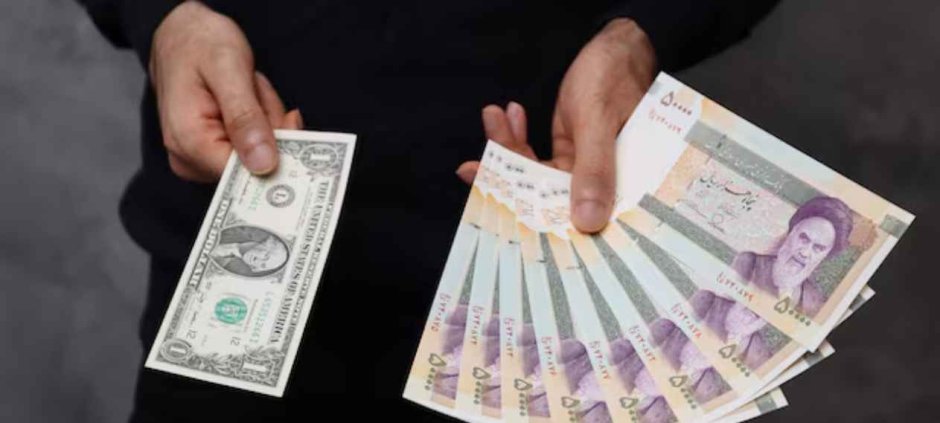
Iran’s currency has fallen to a new record low, reaching 2.5 million rials per US dollar in Tehran. The latest decline highlights the growing pressure on Iran’s economy amid ongoing conflict, international sanctions, and restrictions on oil exports.
The Iranian rial reached its previous record low of 2.2 million per dollar on September 2. It has now weakened further, setting another record just 27 days later.
The continued decline reflects growing economic challenges facing the country. Disruptions to trade and limited access to oil revenues have added pressure on Iran’s financial situation.
The currency’s latest fall also comes as diplomatic efforts continue between Iran and the United States. Both countries remain involved in indirect negotiations focused on reopening the Strait of Hormuz.
Iran’s Currency Faces Pressure From War and Sanctions
The weakening rial reflects several economic challenges facing Iran. The ongoing conflict has disrupted trade and placed additional pressure on the country’s financial resources.
Restrictions on Iranian oil exports have also affected the economy. Oil revenues are an important source of income for the Iranian government. Reduced access to these earnings can make it harder to manage economic pressures.
US officials have said new sanctions and a naval blockade are intended to restrict Iran’s oil exports. These measures have added to the economic difficulties facing the country.
The latest fall in Iran’s currency comes as the country continues to face uncertainty over trade, energy exports, and international relations.
Iran and US Continue Talks Over Strait of Hormuz
The currency decline coincides with indirect negotiations between Iran and the United States. The discussions are focused on reopening the Strait of Hormuz, a major route for global oil shipments.
Iranian Foreign Minister Abbas Araghchi said the current focus of negotiations was limited to the strait. Qatari mediators were also expected to engage with US officials as diplomatic efforts continued.
The waterway plays an important role in international energy markets. Any prolonged disruption can affect oil transportation and create uncertainty for global energy supplies.
However, the talks have not yet removed the economic pressures facing Iran. The rial continues to reflect concerns surrounding the conflict, sanctions, and restrictions on oil trade.
What the Rial’s Decline Means for Iran’s Economy
The latest record low highlights the challenges facing Iran’s currency market. A weaker rial can make imported goods more expensive when their prices are calculated in local currency.
Higher import costs can place additional pressure on businesses and consumers. The impact depends on domestic prices, government policies, and the availability of foreign currency.
Iran’s currency has repeatedly reached new lows since the conflict began in February 2026. The latest decline shows how economic uncertainty continues to affect the country’s financial position.
In other related news also read Iran nuclear talks with European powers
Future developments will depend partly on the conflict, international restrictions, and diplomatic negotiations. Progress toward reopening the Strait of Hormuz could influence economic conditions, although the overall impact remains uncertain.