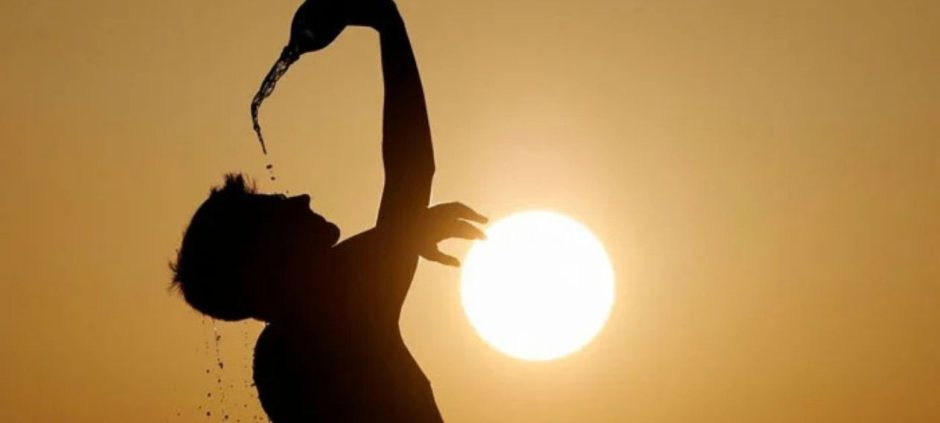
National Disaster Management Authority (NDMA) has issued emergency guidelines as a Heatwave is expected to impact large parts of Pakistan. Hospitals across the country have been placed on alert to handle a possible rise in heat-related illnesses.
According to NDMA’s warning, temperatures will stay above normal during May and June. The ongoing Heatwave is likely to affect millions of people. Authorities have started nationwide preparedness measures to reduce risks.
The NDMA has instructed provincial governments, rescue teams, and federal ministries to follow proper response plans. These steps aim to protect public health and improve emergency response during the Heatwave.
Meanwhile, Karachi recorded its highest temperature of the year. The mercury crossed 44°C, according to the Pakistan Meteorological Department. This shows the severity of current weather conditions.
Hospitals and emergency services have been directed to stay prepared. The Ministry of National Health Services Regulations and Coordination has been asked to increase capacity. Authorities must set up heatstroke treatment centres and ensure medical staff is available.
Hospitals are also required to stock essential supplies. These include oral rehydration salts, clean drinking water, and cooling equipment. These measures will help manage patients during the peak Heatwave period.
Public awareness campaigns will be launched at provincial and district levels. Citizens will be informed about safety measures and health risks. People are advised to avoid direct sunlight during peak hours and stay hydrated.
Educational institutions may adjust their schedules due to extreme heat. Schools could reduce timings or close temporarily if conditions worsen. Steps will also be taken to protect students from exposure.
The NDMA has also warned about risks in northern regions. Authorities in Khyber Pakhtunkhwa and Gilgit-Baltistan have been told to monitor Glacial Lake Outburst Flood risks.
Emergency services are also alert for possible forest and urban fires. High temperatures increase the chances of such incidents.
Authorities have been directed to support vulnerable groups. This includes setting up control rooms and providing water and shelter. Staff will also receive training in emergency response.
The NDMA has advised farmers to manage water carefully. They should also plan crop harvesting to reduce losses during extreme weather.
In other related news also read NDMA Warns of Severe Monsoon Season in 2026
Overall, the government is taking steps to reduce the impact of the Heatwave. Citizens are urged to follow safety guidelines and remain cautious during this period.