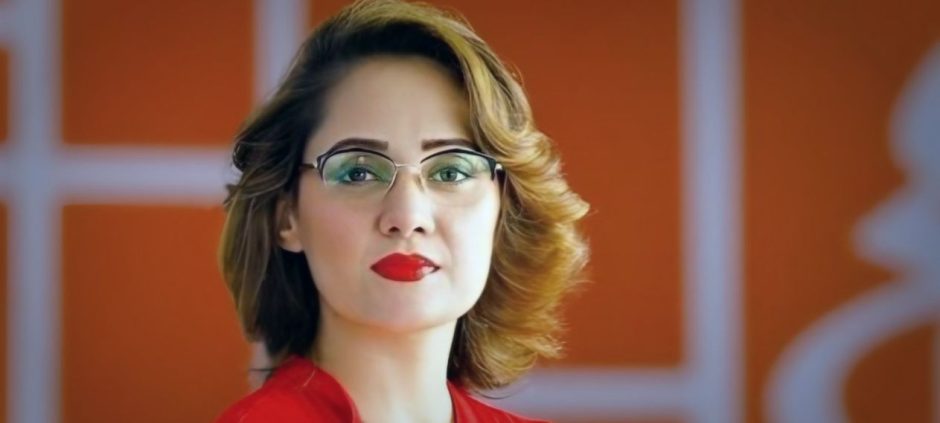
Ever thought a microphone could make you a target? For many in Pakistan, that’s tragically true. When Gharida Farooqi took her place behind the studio lights, she didn’t just step into journalism; she stepped into a storm. Her story isn’t just hers; it’s the warning bell for every voice speaking truth in a world where trolls, threats, and gendered insults lurk online.
Why Gharida’s Story Is A Warning Sign
Gharida Farooqi, a senior anchor and reporter in Pakistan, rose to fame through her bold journalism work. But with visibility came scrutiny. As a female anchor in a male-dominated industry, she faced disproportionate backlash, not for her journalism, but for being a woman.
Slowly, what started as subtle criticism turned into full-blown harassment. Trolls began sending insults, threats, and even calls for violence. The abuse wasn’t only about what she said; it targeted her gender, character, and right to work.
The worst part? It wasn’t a one-time attack. Social media campaigns against her resurged after she commented on controversial issues or interviewed powerful figures.
Gharida Farooqi’s case has now become a textbook example of how telling facts can put female journalists in danger, in real life and online. She has been honored with the prestigious Tamgha-e-Imtiaz award for her courageous journalism, highlighting the recognition she deserves despite controversy.
The Reality of Online Harassment Against Pakistani Journalists
Let’s break down how the harassment really plays out and why it’s a growing concern for media in Pakistan.
Gender-Based Attacks Over Professional Critique
Many online abusers don’t argue with what female anchors report; they attack how they look, behave, dress, or even their personal lives. That’s a massive part of the harassment women like Farooqi face.
Coordinated Smear Campaigns & Digital Mobbing
Troll armies or partisan supporters often spread doctored videos, rumors, or false allegations to tarnish a journalist’s reputation. These campaigns are not random; they’re sometimes orchestrated.
Threats: From Insults To Violence
Insults turn into threats of assault, abduction or even murder. Many journalists, Farooqi included, have said they feared for their life and safety.
Psychological Toll & Self‑Censorship
The fear doesn’t end online. The constant stress, threats, and harassment push many female reporters to second‑guess their work, tone down criticism, or avoid difficult topics altogether.
When you add political pressure, public shaming, and even the blame from certain quarters, the danger becomes more than digital; it becomes systemic.
Building Support: Mental‑Health & Safety for Journalists
It’s clear that journalists, especially women, face extreme pressure. So what can we, media houses, civil society, and the audience, do to support them?
Newsroom Safety Protocols & Support Systems
Ensuring journalists’ safety isn’t just about security cameras or passwords. It’s about creating an environment where anchors and reporters feel protected, supported, and confident to do their work without fear.
- Media organizations must offer counselling, mental‑health support, and safe‑exit planning for journalists facing threats.
- Provide training on secure online practices, privacy protection, and how to deal with harassment or doxxing attempts.
- Establish a clear process for legal help and institutional backing when a journalist files complaints, as Farooqi did with the Federal Investigation Agency (FIA).
Legal Recourse & Media Ethics Pakistan
Laws exist to protect journalists, but awareness and enforcement are key. Knowing your rights and how to act legally is just as important as maintaining ethical reporting standards in Pakistan’s media landscape.
- Strengthen laws and enforcement for digital harassment, defamation, and cyber‑bullying.
- Encourage media houses to adopt ethical standards that protect their staff against smear campaigns and gendered attacks.
- Cover harassment cases responsibly, without fueling rumors, and avoid sensationalism or sharing unverified claims.
Awareness & Solidarity from Public & Institutions
Support from society can make a huge difference. When audiences, unions, and organizations stand together, journalists feel less isolated, and harassment campaigns lose their power.
- As an audience, we must vocalise support for journalists under attack instead of participating in social‑media mobs.
- Civil society, journalist unions, and non‑profits should amplify these cases to build pressure for a safer media environment.
- Recognition of bravery, when journalists stand firm under pressure, society must honor them.
The Hard Truth: Journalism Comes at a Cost
Gharida Farooqi’s story is painful and powerful. It shows what happens when speaking truth becomes a hazard. For many female journalists in Pakistan, visibility is a double-edged sword: it gives them a platform, but also exposes them to relentless harassment.
But the solution is not to silence voices, it’s to protect them. Through strong newsroom safety protocols, mental‑health support, legal protection, and societal solidarity, we can make journalism safer.
Let’s honour the courage of anchors like Gharida Farooqi, and make sure no one faces the mic alone.
What can you do? Share this blog. Raise your voice. Demand safer conditions for journalists. Because real reporting deserves real protection.
Frequently Asked Questions
Q: Is online harassment of journalists only about opinions?
Not at all. In many cases, what triggers harassment is their identity: being female, visible, or critical. The abuse often targets their gender more than their views.
Q: Can legal action really help in Pakistan?
It can, but only if institutions act. The Federal Investigation Agency has acted on complaints (for example, against a derogatory podcast about female anchors) when there is public pressure.
Q: Why don’t journalists just ignore online trolls?
Because it’s not just trolling. For many, it’s a campaign involving doxxing, repeated harassment, threats to personal safety, and damage to career and reputation. Ignoring doesn’t stop it often, it escalates.
Q: Do male journalists face the same risks?
They might face criticism for their views, but rarely the level of gender-based insults, body shaming, smear campaigns, and personal threats that many female anchors endure.