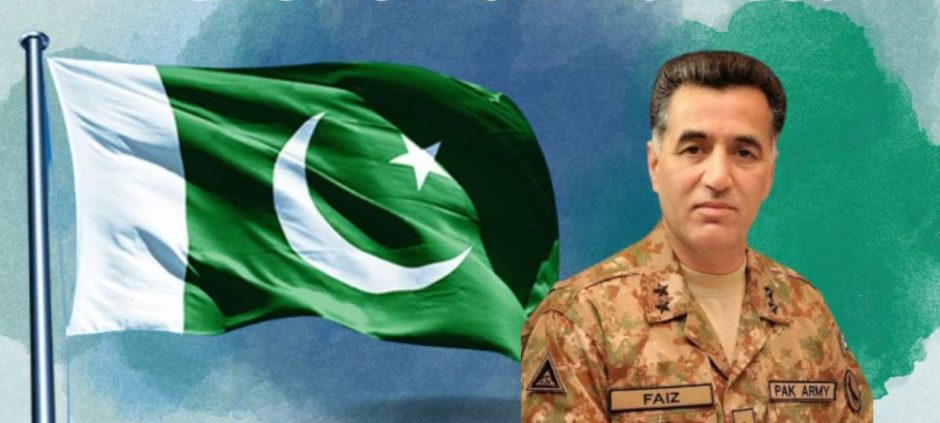
Former Inter‑Services Intelligence (ISI) chief Faiz Hameed files appeal against military court sentence, his legal team confirmed Monday, marking a major development in one of Pakistan’s most high‑profile military court cases this year.
Hameed’s lawyer, Barrister Mian Ali Ashfaq, said the appeal was formally submitted to the Registrar of the Court of Appeals at General Headquarters (GHQ) on December 27, falling well within the 40‑day window allowed under Section 133‑B of the Pakistan Army Act.
The former three‑star general was sentenced to 14 years’ rigorous imprisonment on December 11, 2025 after a Field General Court Martial (FGCM) found him guilty on multiple counts, including engaging in political activities, violating the Official Secrets Act, misusing authority and government resources, and causing wrongful loss to individuals.
According to legal experts, the appeal will be considered by a Court of Appeals headed by a major general or senior officer nominated by the Army Chief. The Chief of Army Staff then has the authority to uphold, modify, reduce or set aside the sentence.
The grounds of the appeal remain undisclosed, but sources close to Hameed’s defense suggest the challenge argues procedural flaws and alleged misinterpretation of evidence during the FGCM trial. The legal strategy comes as public debate continues over military court jurisdiction and the rights of retired military officers to seek appellate review in civilian or military judicial forums.
In related political commentary, some observers have linked Hameed’s legal plight to broader debates on accountability and political influence. For instance, political figure Faisal Vawda recently commented on the wider implications of military legal rulings for state institutions and public trust, underscoring how such cases resonate beyond the courtroom.
Hameed remains detained at Special Prison Rawalpindi and has not been transferred to Adiala Jail pending the appeal, reflecting continued uncertainty around his legal and custodial status.
The case continues to draw national attention, not just for its legal implications but also for sparking discussions on military accountability, rule of law, and the intersection of civilian and military jurisdictions in Pakistan’s justice system.