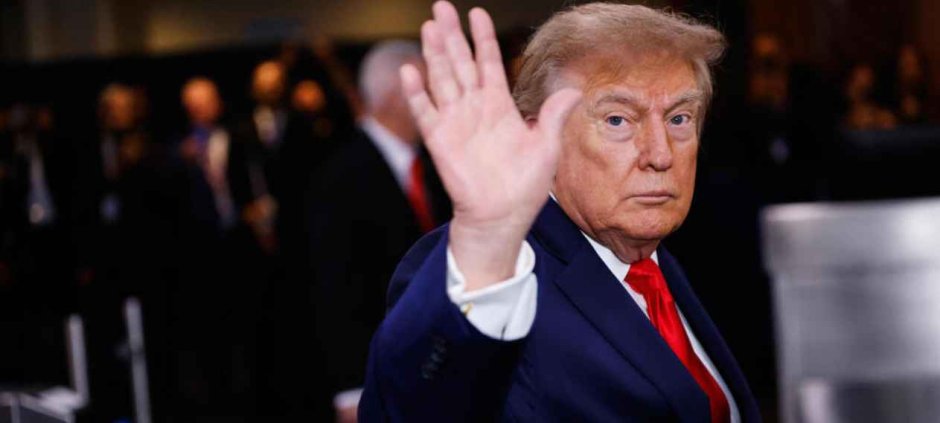
US President Donald Trump has rejected Iran’s proposal for a seven-day ceasefire. The proposal aimed to reopen the Strait of Hormuz and restart nuclear negotiations.
According to the Wall Street Journal, Donald Trump also told aides about plans to resume bombing Iran. The reported timeline points to after the November US midterm elections.
Iran presented its proposal through Qatari mediators. Iranian Foreign Minister Abbas Araghchi outlined the plan during the United Nations General Assembly.
Under the proposal, Iran would reopen the Strait of Hormuz within seven days. The plan also called for renewed discussions about Iran’s nuclear program.
The proposal included several conditions for Washington. These included ending the US blockade of Iranian ports and easing certain economic restrictions.
Iran also sought the release of some frozen assets. It further called for a ceasefire covering the wider region.
Donald Trump confirmed that he had rejected Iran’s proposal on Saturday. He said the proposed agreement did not meet his requirements.
The US president has repeatedly linked a possible agreement with Iran’s nuclear program. He has also demanded restrictions on Iran’s nuclear capabilities.
Iran, meanwhile, says it remains interested in a diplomatic solution. Iranian officials have continued calling for negotiations instead of further military action.
The Strait of Hormuz remains a major issue in the dispute. The waterway is an important route for global oil and energy shipments.
Iran’s proposed roadmap was designed to restore shipping through the strait. It also aimed to create conditions for renewed negotiations between Washington and Tehran.
The Wall Street Journal reported that Trump remains skeptical about Iran meeting US demands. However, officials said his position could change in the coming weeks.
The newspaper also reported that the scale of any potential future strikes remains unclear. Officials cited in the report did not provide details about possible military operations.
The reported timeline has added uncertainty to the ongoing conflict. The United States and Iran have continued discussions through intermediaries.
Earlier this week, Trump said his administration was seeking an agreement with Iran. He has also discussed the possibility of further military action without such an agreement.
Iranian officials have rejected demands they consider unacceptable. Tehran has said it will not surrender its stated nuclear rights under pressure.
The dispute has also affected concerns about energy markets and international shipping. Any prolonged disruption around the Strait of Hormuz could have wider economic effects.
For now, Iran’s seven-day proposal has been rejected by the US president. Further negotiations could depend on conditions presented by both sides.
The November midterm elections are also part of the reported timeline. The Wall Street Journal said Trump expects military action to resume afterward.
However, the exact timing and scale of any future strikes remain uncertain. US officials also indicated that Trump’s position could change.
In other related news also read Donald Trump Praises Shehbaz Sharif During UNGA Address
Iran continues to publicly support negotiations as a way to address the dispute. The next steps will depend on further discussions between the two sides and their mediators.