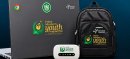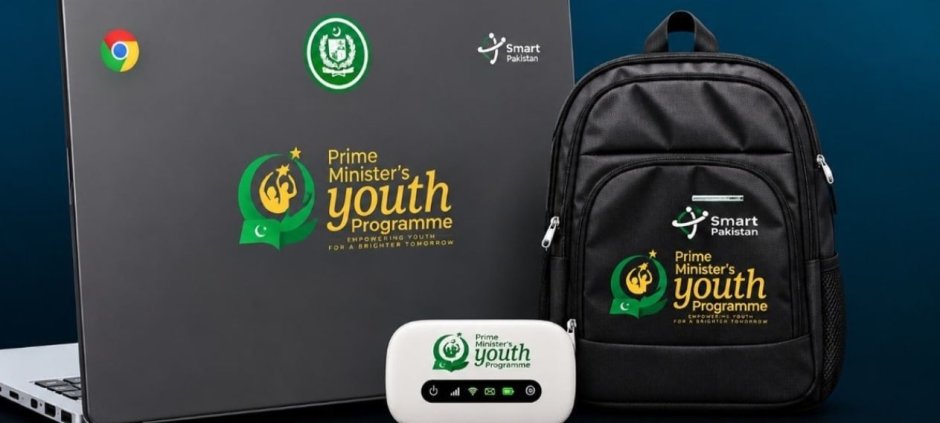
Students enrolled in private educational institutions across Pakistan are currently not eligible to apply for the Prime Minister’s Youth Chromebook Scheme, according to the eligibility criteria displayed on the official registration portal.
The initiative aims to distribute hundreds of thousands of Chromebooks among talented students to improve access to digital education and modern learning facilities. However, questions have emerged among private-school students and parents about whether they can benefit from the programme.
While some announcements made around the scheme’s launch referred to a broader group of educational institutions, the current application requirements specifically identify government-school enrollment as a condition for eligibility.
This distinction has created confusion among students who believed private educational institutions might also be covered.
What Does the Official Chromebook Scheme Portal Say?
According to the eligibility information published on the Inter Boards Coordination Commission (IBCC) application website, the scheme currently considers top-performing students enrolled in government schools.
For Punjab, Sindh, Khyber Pakhtunkhwa and Balochistan, the programme covers eligible Grade 9 students based on their performance in the Annual Examinations 2026.
Students associated with examination boards in Azad Jammu and Kashmir, Islamabad Capital Territory and Gilgit-Baltistan are also covered under the published criteria. However, in these regions, the eligibility requirements include top-performing Grade 10 students.
The portal clearly identifies enrollment in a government school as a requirement for applicants.
This means students attending private schools cannot currently qualify under the criteria displayed on the registration website, even if they have achieved excellent examination results.
Can Private School Students Apply?
Based on the currently published application rules, private-school students are not eligible for the Prime Minister’s Youth Chromebook Scheme.
The distinction is important because academic performance alone does not determine eligibility. Students must also meet the institution-related requirements specified by the programme.
Therefore, achieving high marks in the Annual Examinations 2026 does not automatically make a private-school student eligible.
Students and parents should carefully review the official conditions before submitting an application or expecting to appear on the merit list.
However, anyone associated with an institution whose status is unclear should seek confirmation from the relevant education authorities before making a final decision.
Why Is There Confusion About Private School Eligibility?
The confusion largely stems from differences between the broader announcements made when the initiative was launched and the eligibility conditions currently displayed on the application portal.
Some reports published around the launch suggested that the scheme could also cover students from private schools supported by provincial education foundations and registered religious seminaries.
The government’s launch announcement also referred to distributing devices among students from schools and madrassas.
These broader references created expectations that the programme might extend beyond government educational institutions.
However, the current IBCC registration portal does not list private-school students as eligible applicants. Instead, it specifically mentions government-school enrollment as a requirement.
Students should therefore distinguish between the initial descriptions of the programme and the conditions being used for applications.
Unless the authorities officially revise or expand the eligibility criteria, applicants should follow the requirements currently published on the registration website.
Chromebook Scheme Aims to Support Digital Education
The Prime Minister’s Youth Chromebook Scheme is designed to improve students’ access to technology and support digital learning across Pakistan.
Access to computers and internet-based educational resources has become increasingly important for students. Digital devices can help learners access online study materials, conduct research, develop computer skills and explore educational opportunities beyond traditional classrooms.
By distributing Chromebooks among high-performing students, the initiative aims to provide technological support to deserving learners and encourage academic excellence.
The programme is also part of broader efforts to strengthen digital education and improve access to modern learning tools.
For students who meet the eligibility requirements, the scheme could provide an opportunity to benefit from technology that may otherwise be difficult for some families to afford.
Where Can Students Check Eligibility?
Students interested in the programme should consult the official registration portal rather than relying solely on social media posts or older announcements.
The application website provides the published eligibility requirements and information about the categories of students being considered.
Official registration portal:
http://pmychromebooks.ibcc.edu.pk/
Students should verify their educational institution’s status, examination category and academic eligibility before proceeding.
They should also contact the relevant education authorities if they need clarification about private institutions, education-foundation schools or registered seminaries.
Final Word
Under the eligibility criteria currently displayed on the official IBCC portal, the Prime Minister’s Youth Chromebook Scheme is limited to qualifying students enrolled in government schools.
Although earlier announcements and reports referred to a potentially broader group of beneficiaries, private-school students are not listed as eligible applicants under the current published rules.
Any change in this policy would need to be confirmed through an official announcement or an updated registration portal.
Also read:PM Chromebook Scheme: Why Sindh Students Can’t Apply Yet