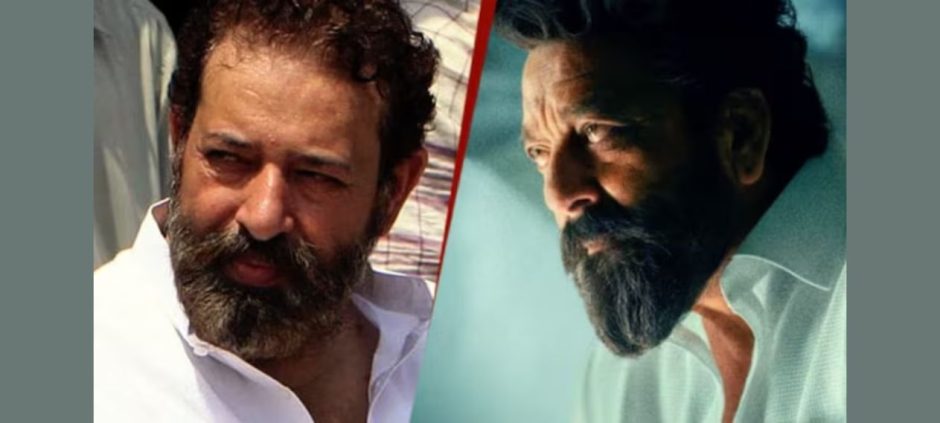
Chaudhary Aslam Khan’s story is real, his legacy legendary. But what happens when Bollywood turns history into cinema? Let’s unpack it all.
In late 2025, Dhurandhar movie hit theaters with massive buzz, especially in South Asia. The film stars Sanjay Dutt as a character inspired by Chaudhary Aslam Khan Swati, the infamous and respected Pakistani police officer and encounter specialist who took on gang wars in Karachi. But after the trailer and early screenings, millions on social media, especially in Pakistan, began debating: Is the movie a tribute? Or a distortion?
The conversations have been loud, emotional, and often polarized. Some viewers praise the action and performances. Others feel the real story of SSP Chaudhary Aslam has been twisted for drama. Even Aslam’s widow has publicly voiced her displeasure. This clash, real life vs reel life, has turned Dhurandhar into more than a film. It’s now a cultural moment.
Chaudhary Aslam was more than a name. To many in Pakistan he symbolized courage and resilience against crime. But in Dhurandhar, the character feels larger than life, sometimes at the cost of reality. Let’s explore what the real man stood for, how Bollywood adapted his story, and why audiences are reacting the way they are.
When Bollywood Meets Pakistan’s Streets
If there’s one film keeping South Asian audiences talking this December, it’s Dhurandhar. A high‑octane, spy thriller hybrid, the movie blends politics, gang wars, and espionage across borders. But for many Pakistanis, the most talked‑about part isn’t the action, it’s the portrayal of Chaudhary Aslam Khan, an actual Karachi underworld police legend.
The film’s release triggered strong reactions online. Pakistani netizens flooded platforms like Twitter and Instagram with reviews, memes, criticism, and heated debates. Some praised the entertainment; others called out the inaccurate depiction of real events, especially regarding Chaudhary Aslam’s personality and legacy. The controversy even reached mainstream media, with discussions around cultural sensitivity and cinematic responsibility.
At the center of the storm is a simple question:
Can a film based on real heroes remain respectful while still being dramatic?
When real families and real emotions are involved, this question stops being hypothetical.
Who Was Chaudhary Aslam Khan?
Before Bollywood ever stepped in, Chaudhary Aslam Khan was a headline in Pakistan’s real‑world fight against crime. Born in 1963, Aslam joined the Sindh Police and quickly became known for taking on what few dared. Over time, his reputation grew, not just locally, but across South Asian law enforcement circles.
He served in various police units but found lasting prominence as head of the Lyari Task Force, a specialized unit tackling violent Lyari gang wars, Karachi’s most turbulent neighbourhood. The area was notorious for gang control, extortion, and a level of brutality many had never seen.
Aslam’s strategies were unconventional; some say ruthless, others call them necessary, but there’s no denying he put his life on the line more than once.
What people remember most about Aslam is this:
- He led major anti‑terror operations against Rehman Dakait and other gang bosses, operations that reshaped Lyari’s landscape.
- He survived multiple assassination attempts, including by the Pakistani Taliban (TTP) and extremist factions.
- He became a name feared by criminals and respected by law‑abiding citizens alike.
- He was assassinated in 2014 when a targeted bomb blast hit his convoy, a moment that shook Karachi and Pakistan’s police community.
For many in Pakistan, Aslam wasn’t just a cop, he was a symbol of bravery in a city often defined by violence.
The Making of Dhurandhar: Bollywood’s Interpretation
Dhurandhar isn’t a documentary, it’s an action‑drama meant to entertain. It was released in December 2025, directed by Aditya Dhar and built like a blockbuster with international scale. The cast includes Ranveer Singh, Sanjay Dutt, Akshaye Khanna, R. Madhavan, Arjun Rampal, and Sara Arjun.
The film draws inspiration from real events like the Lyari gang wars and anti‑terror operations, but it also blends them with fictionalized characters and subplots. In that mix:
- Sanjay Dutt plays an on‑screen cop inspired by Chaudhary Aslam. Interestingly, Dutt himself has publicly reflected on his real-life experiences with crime, prison, and threats, which adds another layer to how audiences interpret his portrayal.
- Akshaye Khanna portrays Rehman Dakait, one of Lyari’s most notorious gang leaders.
- Ranveer Singh plays a fictional undercover agent whose mission weaves through the narrative.
This blend of reality & fiction is common in cinema. But critics, especially in Pakistan, argue this blurred line can distort real history.
For example, some dialogues in the Dhurandhar trailer describe Aslam’s character using metaphors that his family found disrespectful. These lines, meant for dramatic punch, landed poorly with those who knew the real man.
Still, from a filmmaking perspective, the goal was clear: create an internationally engaging spy‑action thriller with real‑life echoes.
Character vs. Reality: Key Differences
This is where things get complicated. Dhurandhar is not a biopic in the strictest sense. It borrows names, places, and themes, but it embellishes them for cinematic drive. That’s both the film’s strength and its controversy.
Personality and Screen Image
In the movie, the “Aslam‑inspired” character is drawn larger than life, almost mythic. Some lines and confrontational scenes seem crafted for dramatic effect rather than historical accuracy. That’s standard for action films, but when the real person is beloved, audiences feel it deeply.
Methods and Motivations
Real Chaudhary Aslam’s legacy is rooted in intense police work. He was tough, relentless, and often controversial, traits that cinema exaggerated. The film also weaves him into a broader spy thriller arc involving India‑Pakistan tensions, which isn’t part of documented history.
Family’s Perspective
Aslam’s wife, Noreen Aslam, has openly criticized phrases used in promotional material, especially when they felt disrespectful to her husband’s legacy and faith. She even warned of legal action if the film contained “propaganda” or misrepresentations. This reaction highlights how personal and emotional the debate has become.
Cultural Impact
Films like Dhurandhar shape perceptions, especially where audiences may not know the real history. That’s why critics say Bollywood should be more careful when portraying real figures from another country.
The Backstory of Chaudhary Aslam’s Work
To understand why Dhurandhar even exists, we must revisit the real events that defined Karachi’s law enforcement landscape.
Lyari: The City Within a City
Lyari, a neighbourhood in Karachi, became infamous for racketeering, turf wars, and gang violence through the 2000s. Multiple criminal syndicates battled for influence, and the police struggled to maintain order.
Aslam’s Major Operations
Former records show that Aslam led numerous task forces targeting key gang leaders, including Rehman Dakait. Though the movie amplifies the drama, Aslam genuinely faced real danger while pursuing these criminals.
Beyond Gangs: Terror Threats
His work wasn’t limited to gang wars. Aslam also took on extremist elements that were destabilizing Karachi and other parts of Pakistan, making him a priority target for extremist groups.
The real story is gritty, unfiltered, and deeply Pakistani, and that’s precisely what many fans feel the film doesn’t fully capture.
Social Media & Public Reaction
Once Dhurandhar trailers dropped, reactions flooded the internet, especially from Pakistani netizens.
Backlash and Criticism
Many Pakistani viewers called the portrayal insensitive and historically inaccurate. Threads on Reddit and Twitter repeatedly argued that the film misrepresented gangsters, law enforcement, and Pakistan’s complex socio‑political realities.
Cross‑Border Opinions
In India, many praised the film’s action and performances, particularly Sanjay Dutt and Akshaye Khanna’s roles. But even some viewers noted that the blending of real footage (like references to terror attacks) with fiction blurred lines in troubling ways.
Memes and Viral Moments
Pakistani netizen reactions are a mix of reels, memes, and commentary. From lines of dialogue to character looks, social media had a field day. Some reels even turned Dhurandhar scenes into pop culture jokes, but others used these clips to spark serious debate about representation and respect.
Celebrity Responses
While some Indian celebrities publicly celebrated the movie, there hasn’t been much cross‑border artistic dialogue, which in itself became a point of criticism among fans on both sides.
Cultural and Ethical Debates
Films based on real people walk a tightrope between storytelling and accuracy. In Dhurandhar, many feel that rope snapped.
Respect vs Representation
When a figure like Chaudhary Aslam, deeply revered in Pakistan, his portrayal in films with cinematic exaggeration, it raises ethical questions:
- Should filmmakers consult families and historians?
- How much creative license is acceptable with historical and cultural sensitivity?
- Can action films responsibly depict real political tension without hurting people emotionally?
These aren’t trivial questions, especially in South Asia, where cultural and historical narratives are deeply valued.
Lessons & Takeaways
Even with the controversies, Dhurandhar vs. Chaudhary Aslam Khan teaches us something important about responsible storytelling, history, and real‑life inspiration:
- Storytelling Matters: Films entertain, but they also shape memory and perception.
- Respect Legacy: Real heroes deserve care when their stories cross international screens.
- Viewers Should Research: Before forming opinions based on a movie, explore the real events behind the characters.
Whether you loved the movie or critiqued it, one thing is clear that Chaudhary Aslam’s legend continues to spark conversation long after his death.
Real Legacy vs Reel Drama
Chaudhary Aslam Khan’s story is etched in Pakistani history, marked by relentless courage and a complex legacy. The Dhurandhar movie took inspiration from that real life and turned it into thrilling cinema, but not without sparking debate and controversy.
From Aslam’s widow’s reaction to netizen discussions on Reddit and Twitter, the film’s release has been far more than entertainment. It has become a cultural touchpoint between storytelling and historical respect.
If you’re watching the movie for action, enjoy the twists and performances. But if you’re curious about the real hero behind the reel, dive deeper. There’s a powerful story there, one worth learning and honouring beyond the big screen.
And for more on Dhurandhar’s buzz, cast updates, and reactions, check this: https://theneutral.pk/akshaye-khanna-shines-in-new-dhurandhar-role-buzz/
Frequently Asked Questions
Q. Who was Chaudhary Aslam Khan in real life?
He was a senior Pakistani police officer known for leading major operations against gang wars and extremist threats, especially in Karachi’s Lyari region, before being assassinated in 2014.
Q. Is Dhurandhar a true story?
Dhurandhar is inspired by real events like the Lyari gang wars and Chaudhary Aslam’s work, but it fictionalizes many elements for dramatic effect.
Q. Why is Chaudhary Aslam’s widow upset about the film?
She objected to certain descriptions and dialogues that she feels disrespectful to her late husband’s legacy, and hinted at possible legal action if misrepresentations are present.
Q. Who plays Chaudhary Aslam in the movie?
The role is portrayed by Sanjay Dutt in Dhurandhar.
Q. How has the public reacted to Dhurandhar online?
Reactions are mixed, Indian audiences have appreciated the action and performances, while many Pakistani viewers criticize the historical liberties and narrative portrayal.
Q. Does the film accurately represent Lyari’s history?
While it draws from the real backdrop of gang wars, many details and character arcs are dramatized or fictionalized.