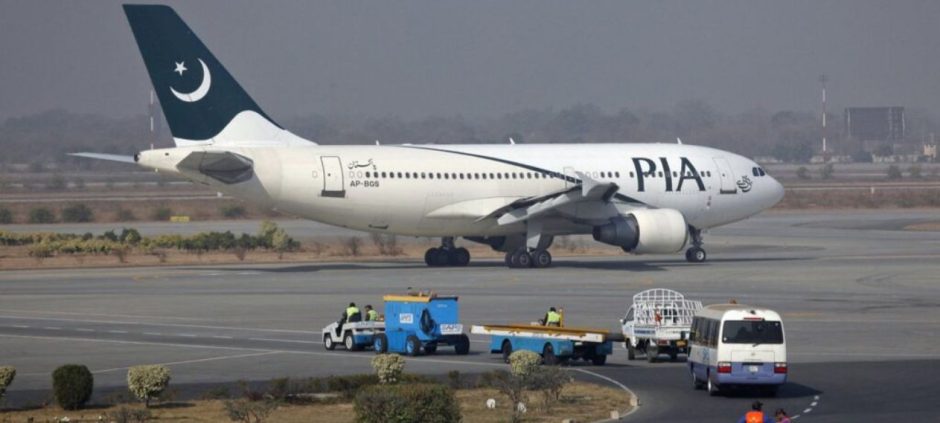
Deconstructing PIA’s privatisation requires understanding how other nations handle similar situations. Many countries have sold national assets without harming their identity. Switzerland and Finland provide useful examples. These cases show that privatisation is often driven by financial reality, not the loss of national pride.
Swissair was once a major symbol of Switzerland. Its performance declined in the late 1990s due to poor operations. Delays and lost baggage became common. The government injected large sums to keep it running, but the airline failed to recover. In 2005, Swissair was acquired by Lufthansa and became a subsidiary of a foreign carrier.
Other global examples support this trend. Nokia was sold to Microsoft after losing its market strength. Air India was privatised in 2022 after years of government bailouts. These cases show that selling state-owned enterprises is sometimes unavoidable.
Deconstructing PIA’s privatisation also means reviewing its long history. PIA began in 1946 as Orient Airways. After Pakistan’s creation, it was nationalized and renamed. In 1955, it expanded internationally and became a strong national symbol. It has achieved several milestones over the decades.
PIA was the first non-communist airline to fly to China in 1964. It helped establish Emirates in the 1980s. In 2004, it became the first airline to buy Boeing’s 777-200LR. These achievements reflect a strong past but did not guarantee future success.
Over time, serious problems emerged. Professional management weakened. Political interference increased hiring without planning. Staff strikes caused frequent delays and cancellations. Competition from Middle Eastern airlines intensified. Safety concerns led to restrictions in Europe. The fleet aged, and customer trust declined.
Financial losses kept rising. Between 2018 and 2023, PIA recorded losses of Rs397 billion. By 2023, its current liabilities exceeded Rs483 billion. Long-term debt grew to Rs296 billion. Total liabilities reached Rs850 billion, while assets stood at only Rs160 billion.
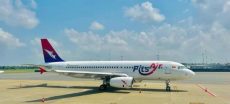
Deconstructing PIA’s privatisation also involves examining the sale structure. Privatisation efforts began in the 1990s, but only 8% of shares were sold then. After several failed attempts, the airline was sold in 2024. A consortium acquired 75% shares for Rs135 billion.
Most of the sale amount, Rs125 billion, will be reinvested into the PIA. The government received Rs10 billion in cash and retained 25% shares worth Rs45 billion. The buyers must pay most of the amount within three months. The remaining sum is due within one year.
Criticism of the deal falls into two main views. Some oppose privatisation on nationalistic grounds. They believe PIA should remain state-owned despite losses. Others accept privatisation but argue the airline was undervalued.
PIA owns valuable assets. These include landing rights for 78 destinations and over 170 airport slots. It also has aircraft, offices, and hotels in Pakistan and abroad. To manage risk, PIA was split into two entities in 2024.
The holding company retained liabilities and major properties. The operating airline kept aircraft, routes, and landing rights. Only the operating airline was sold. This reduced investor risk and protected public assets.
The government chose reinvestment over higher immediate returns. This decision aimed to revive the airline. Taxpayers will still bear past losses, but future losses will not fall on the public. This reduces long-term financial pressure.
Deconstructing PIA’s privatisation shows it was a financial decision, not a symbolic one. The outcome depends on new management. Whether PIA succeeds or fails again will determine the long-term judgment of this move.
The PIA privatisation process has raised key questions about the airline’s financial recovery. Readers can also review PIA Privatization Deal: Can $400 Million Revive the Airline? To better understand whether fresh investment can turn the carrier around.