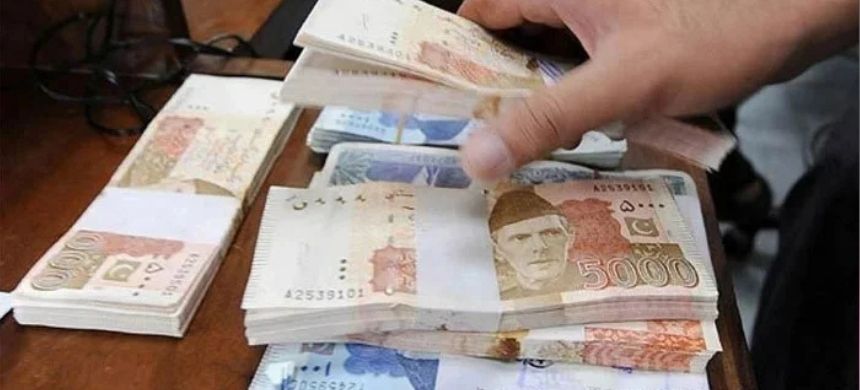
The federal government is preparing several proposals for the upcoming budget 2026–27, focusing on possible salary and pension increases for public sector employees and retired workers. Officials are also considering major pension reforms, including the introduction of a Defined Contributory Pension (DCP) system for members of the armed forces.
The contributory pension model was already introduced for newly hired civilian employees in the previous budget. Now, the government plans to expand the same structure to military personnel as part of broader financial reforms.
According to officials, the proposed salary and pension adjustments in the budget are being designed in line with inflation trends. The Consumer Price Index (CPI) is expected to remain around 7.5 percent during the current fiscal year, which has influenced the government’s planning.
Sources say the Finance Ministry has prepared three separate options for salary and pension relief in the budget. These proposals include possible increases of 5 percent, 7.5 percent, or 10 percent through ad-hoc allowances for both civilian and military employees.
However, no final decision has been taken so far. The government is expected to hold discussions with the International Monetary Fund (IMF) before approving any relief measures. After negotiations with the IMF, the proposals will be presented before the federal cabinet and later announced officially during the budget speech.
The government is also reviewing plans to reduce the tax burden on salaried individuals. Reports suggest authorities are considering tax relief between 5 percent and 10 percent, although the final decision will depend on available financial resources.
Despite these relief proposals, the government continues to face strict IMF conditions. Under the agreed fiscal framework, Pakistan is required to maintain a primary surplus equal to 2 percent of GDP in the next budget cycle, estimated at nearly Rs. 3 trillion.
To meet these targets, authorities may expand the tax net while also reducing unnecessary expenditures. The final shape of the budget will largely depend on ongoing talks with the IMF and the country’s overall economic position.
Also Read: US Requests $1.5 Trillion Defense Budget for 2027