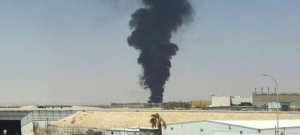
Brent crude oil prices fell below $100 per barrel on Friday as uncertainty surrounding developments in the Gulf region weighed on global oil markets.
Brent crude declined by $2.83, or around 3%, to $99.48 per barrel. US West Texas Intermediate (WTI) crude also dropped by $3.35 to $89.52 per barrel. Brent was heading for a weekly decline of around 4.7%.
The latest movement came amid reports of alleged false flag operations in the region. A person working for Iran’s state news agency claimed that the United States and its partners were conducting such operations in the Strait of Hormuz. The claim could not be independently verified.
The developments come as tensions continue to affect the movement of energy supplies through the strategically important waterway. The Strait of Hormuz is a major route for global oil and fuel shipments, making disruptions in the area a key concern for international energy markets.
Earlier, a Flydubai commercial aircraft travelling toward Israel reportedly made an emergency landing in Saudi Arabia after passengers and crew helped prevent a potential crash. The incident has added to concerns surrounding aviation and transport security in the region.
Despite logistical difficulties, Gulf oil producers have increasingly relied on alternative pipelines and ship-to-ship transfers to maintain exports. Some tankers have also continued to pass through the Strait of Hormuz under strict security arrangements.
However, refined fuel supplies remain heavily disrupted. Diesel and gasoline shipments through the Strait have been particularly affected. According to figures cited by The Guardian, refined petroleum product flows through Hormuz had fallen to around 677,000 barrels per day, compared with approximately 3.6 million barrels per day before the war.
The disruption has shifted attention in global energy markets from crude oil supplies toward refined petroleum products. The availability of diesel and gasoline has become a growing concern as transportation and industrial demand continues.
European countries are considering releasing diesel stocks to reduce pressure on fuel markets. The International Energy Agency is also considering a release of crude oil reserves as governments assess measures to stabilize supplies.
Oil markets are expected to remain sensitive to developments around the Strait of Hormuz, regional security conditions and the availability of alternative supply routes. Any further disruption could influence crude and refined fuel prices in international markets.
Also read: Oil Prices Rise as Brent Crude Crosses $100 Per Barrel