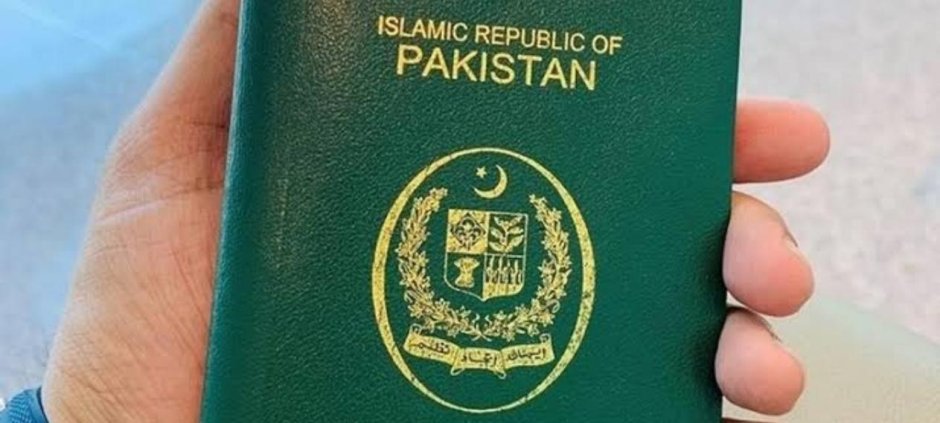
Pakistan has officially shifted to an e-passport-only system, ending the issuance of traditional machine-readable passports from October 15, 2026.
Passport offices across the country and Pakistani diplomatic missions abroad, including those in Saudi Arabia and other Gulf countries, have started issuing e-passports under the new system.
The Directorate General of Immigration and Passports had set October 14 as the final date for accepting applications for machine-readable passports. From October 15 onwards, applicants can apply only for e-passports.
What Has Changed for Passport Applicants?
Under the new policy, Pakistanis applying for a new passport or passport renewal will need to apply for an e-passport instead of the traditional machine-readable document.
The change applies to passport offices in Pakistan as well as Pakistani diplomatic missions abroad.
The transition is intended to modernise Pakistan’s passport system, strengthen document security and bring the country’s travel documents in line with international standards.
Applicants should check the latest requirements and applicable fees through official passport authorities before submitting their applications.
Are Existing Machine-Readable Passports Still Valid?
One of the most important details for Pakistani travellers is that existing machine-readable passports will remain valid until their expiry dates.
The introduction of e-passports does not automatically invalidate passports that have already been issued.
People holding valid machine-readable passports can continue using them until they expire, subject to the usual entry, visa and travel requirements of their destination countries.
This means existing passport holders do not need to replace their documents immediately simply because the new system has been introduced.
What Is an E-Passport?
An e-passport is an electronic travel document that contains a contactless near-field communication (NFC) chip.
According to the announcement, the chip stores information associated with the passport holder, including biodata, facial details, an identification number and a digital signature.
The document also incorporates security features designed to make forgery and unauthorised alteration more difficult.
These features provide an additional layer of protection compared with relying solely on the information printed on a passport’s pages.
How Will the New System Improve Security?
The e-passport system is intended to strengthen identity verification and improve the security of Pakistan’s travel documents.
Electronic information stored in the chip can support verification of the passport holder’s identity, while additional security features can help authorities detect fraudulent documents.
The transition also aims to bring Pakistani passports closer to standards established by the International Civil Aviation Organization (ICAO), which develops international standards for travel documents and aviation security.
However, travellers must still comply with the visa and entry requirements of their destination countries.
E-Passports May Support Electronic Gates
Officials have also said that the transition will support the use of electronic gates at domestic and international travel facilities.
Electronic gates can help streamline identity checks at airports where compatible systems are available.
The extent of their use will depend on the facilities and procedures adopted by the relevant airports and border authorities.
The introduction of e-passports is therefore part of a wider move towards more secure and technology-based travel-document verification.
What Pakistanis Abroad Should Know
Pakistanis living overseas, including those in Saudi Arabia and other Gulf countries, are also affected by the transition.
Pakistani diplomatic missions abroad have begun issuing e-passports under the new policy, according to the announcement.
Overseas applicants should confirm the application procedure, required documents, processing times and fees with the relevant Pakistani embassy or consulate before applying.
Those who already hold valid machine-readable passports do not need to replace them immediately solely because of the policy change.
What Applicants Should Do Next
Pakistanis planning to apply for a passport should prepare for the e-passport system and consult the official Directorate General of Immigration and Passports website or their nearest passport office for the latest instructions.
Applicants should ensure their personal information and supporting documents are accurate before submitting an application.
The shift marks a significant change in Pakistan’s passport issuance process, with the government aiming to improve security, modernise travel documents and facilitate electronic identity verification.
For existing passport holders, however, the key point remains unchanged: valid machine-readable passports will continue to be accepted until their expiry dates, subject to applicable travel requirements.
Also read: Pakistan Passport Falls to 101st in Latest Henley Passport Index