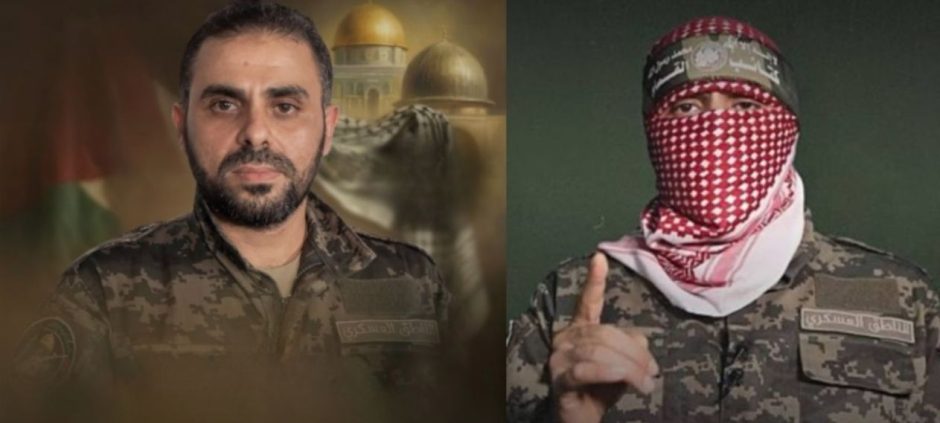
Abu Obaida, a name spoken with intensity in newsrooms, social media threads, and world headlines, stands at the center of one of the most impactful developments in the Gaza conflict in 2025. For years, he was the masked voice of the Izz al‑Din al‑Qassam Brigades, the military wing of Hamas. His confirmation of death this year marked the end of an era and stirred global debate on war, communication, and symbolism in conflict.
Who Was Abu Obaida?
If you follow the Middle East at all, you’ve likely heard the name Abu Obaida. For nearly two decades, he was the primary spokesperson for the Hamas military wing, a mysterious, masked figure who rarely showed his face but whose words echoed across news broadcasts, social platforms, and political discussions globally.
He wasn’t just a mouthpiece. In a conflict where messaging shapes perception, Abu Obaida became a symbol of resistance for supporters and a target for opponents. His recent death confirmation in December 2025 sent shockwaves through international newsrooms and social feeds alike.
Abu Obaida Was Assassinated In August
Months of speculation finally ended on 29 December 2025, when the al‑Qassam Brigades publicly confirmed Abu Obaida’s death in a video announcement. Before this, Israel had claimed responsibility for his killing back in August 2025, but Hamas never acknowledged it, until now.
This confirmation also came with a new, masked spokesperson taking up the mantle of “Abu Obaida,” echoing how militant groups often preserve identity through titles rather than personal names.
The Role & Significance Of Abu Obaida
Despite years in the public eye, the real name behind the mask was only revealed recently. Abu Obaida was the nom de guerre of Huthaifa Samir Abdullah al‑Kahlout, born in Gaza in 1985.
For nearly 20 years, he served as the public voice of Hamas’ media wing, delivering statements during major events, from prisoner exchanges to wartime updates. His speeches were broadcast across the Arab world and beyond, shaping narratives around the ongoing conflict.
People on both sides of the conflict saw him differently, revered by supporters and condemned by adversaries, but there’s no denying his impact on how the world hears the Gaza war voice.
How He Was Killed
Back in August 2025, the Israeli military claimed it had assassinated Abu Obaida in a targeted airstrike in Gaza City’s Rimal neighborhood.
At the time, Hamas did not confirm the report. That sparked months of ambiguous rumors, debate, and online speculation, a classic example of “fog of war” information uncertainty.
Finally, in late 2025, Hamas acknowledged his death publicly, confirming that his body had been killed earlier in the war and that several other commanders also died.
In the middle of this conflict, reports emerged that Hamas was seeking safe passage for fighters trapped in Gaza tunnels, highlighting ongoing operational challenges and humanitarian concerns.
The New “Abu Obaida”: Identity Beyond a Person
Here’s where the story gets interesting: even after his death was confirmed, Hamas introduced a new masked spokesperson who also goes by Abu Obaida. This mirrors how some groups preserve legacy identities, focusing on symbolism and continuity rather than individual names.
Leaders like this are often more than people; they are brands of resistance, voices of perseverance, and psychological messaging tools. That’s why his title lives on, even as the face behind it has changed.
Global & Digital Reactions: The Buzz After the Announcement
When the official confirmation dropped, social media lit up instantly. Many users shared old speeches and masked appearances, turning memories into viral threads again. Platforms like X and Telegram saw hashtags and clips of his most quoted lines.
Meanwhile, contrasting reactions emerged: some mourned him, while others debated his impact on conflict communication. In digital warfare, narratives often matter as much as bullets, and Abu Obaida’s words became ammunition online too.
Abu Obaida Legacy & Impact
Let’s pause for a second. Why should an ordinary reader care?
Because Abu Obaida’s journey tells us something profound about media, war, and narrative shaping:
- He was more than a spokesman; he was a symbol of resistance for many.
- His masked messages influenced millions’ perceptions of the Gaza conflict.
- The transition to a successor under the same title reflects how identities can be larger than individuals in media warfare.
In modern conflicts, message equals power, and Abu Obaida was one of the strongest voices in that battleground.
Abu Obaida, Hamas, And The Gaza Conflict
Here are key takeaways this development tells us:
- Messaging Strategy: Hamas’ delay in confirming his death may reflect careful strategic timing.
- Public Perception: Israel’s earlier claims shaped parts of international media, only solidified now by Hamas.
- Symbolic Power: Even after death, his name continues, illustrating how modern conflicts leverage communication and identity.
- Psychological Warfare: Statements, appearances, and headlines aren’t just news; they’re tools that shape morale.
Understanding this helps anyone make sense of how narratives are built in war, not just with guns, but with words.
Legacy Beyond Headlines
From a masked spokesman to a symbol of war communication, Abu Obaida’s story reveals how words, image, and rhetoric play roles just as large as bullets and bombs.
His confirmed death in 2025 marks the end of a voice that shaped global narratives about the Gaza conflict, but his title, legacy, and symbolic presence continue through a new spokesperson and ongoing debate across media platforms.
Frequently Asked Questions
Q. Was Abu Obaida really killed?
Yes, after months of uncertainty, Hamas officially confirmed his death in late 2025.
Q. What was his real name?
His real name was Huthaifa Samir Abdullah al‑Kahlout.
Q. Why didn’t Hamas confirm his death earlier?
Delays like this reflect tactical decisions in conflict messaging and internal security strategy.
Q. Is there a new Abu Obaida now?
Yes, a new masked spokesperson adopted the same title to preserve continuity.
Q. Was his identity known before?
His identity was known to intelligence sources, but Hamas revealed it publicly only after his death.