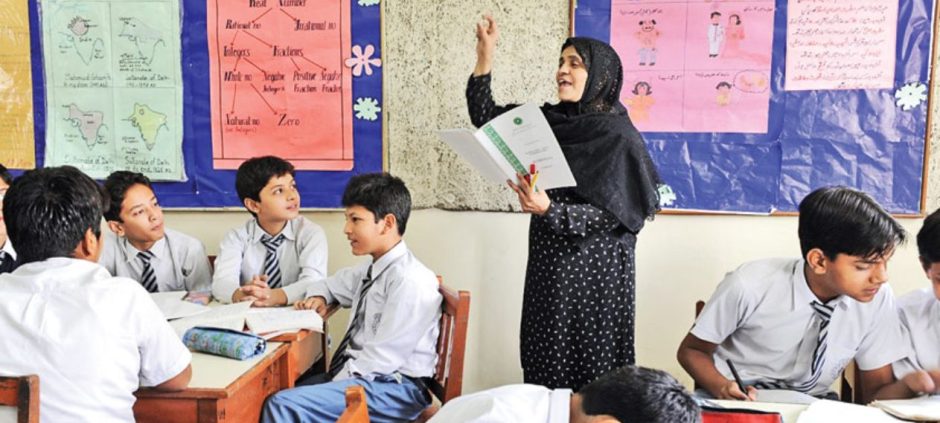
LAHORE — A fiery debate erupted in the Punjab Assembly this week as an MPA’s claim that Punjab’s literacy rate is lower than Afghanistan’s stunned both the treasury and education analysts, reigniting discussions on Pakistan’s education crisis. The statement has drawn attention to provincial performance and broader literacy challenges facing the country.
According to official figures from the Population and Housing Census 2023, Pakistan’s overall literacy rate for ages 10 and above stands at about 60.65 percent, with Punjab recording approximately 66.3 percent, the highest among provinces. During the assembly session, a treasury MPA claimed Punjab lagged behind Afghanistan’s 52 percent literacy rate, prompting shock among lawmakers and public reaction on social media platforms where education performance remains a sensitive issue.
The remarks came amid procedural chaos in the assembly, where the session was adjourned due to lack of quorum and heated exchanges between treasury and opposition members, particularly over the absence of key department secretaries during the question hour.
Punjab’s literacy figures have improved over the years but stark disparities persis, especially along gender and rural‑urban divides. National data shows male literacy significantly outpaces female literacy, and urban areas boast far higher rates than rural counterparts. Education experts say this gap undermines overall human development and calls for policies that extend beyond basic enrollment. Many are urging the provincial government to implement targeted reforms rather than shutter non‑formal education initiatives.
Amid this backdrop, Pakistan’s tech and innovation sectors are also gaining attention for boosting skills and education initiatives. For example, DevFest Islamabad 2025 Showcases AI And Pakistan Tech Growth highlighted how artificial intelligence and tech growth events are drawing young learners into cutting‑edge fields, a shift some say could complement formal literacy efforts.
As the controversy unfolds, Punjab’s literacy rate debate underscores broader education policy challenges in Pakistan, where provincial disparities and implementation hurdles continue to impact national progress.