Some dramas entertain.
Some divide opinions.
And then there are dramas that refuse to leave the conversation.
Meri Zindagi Hai Tu didn’t just arrive on television screens, it walked straight into Pakistan’s cultural debate, social media timelines, and drawing-room discussions. Praised or criticized, ignoring it became nearly impossible.
Why Meri Zindagi Hai Tu Became Unavoidable In Pakistan
From the moment it was announced, Meri Zindagi Hai Tu drama carried weight. Big names. Big expectations. And eventually, big controversies.
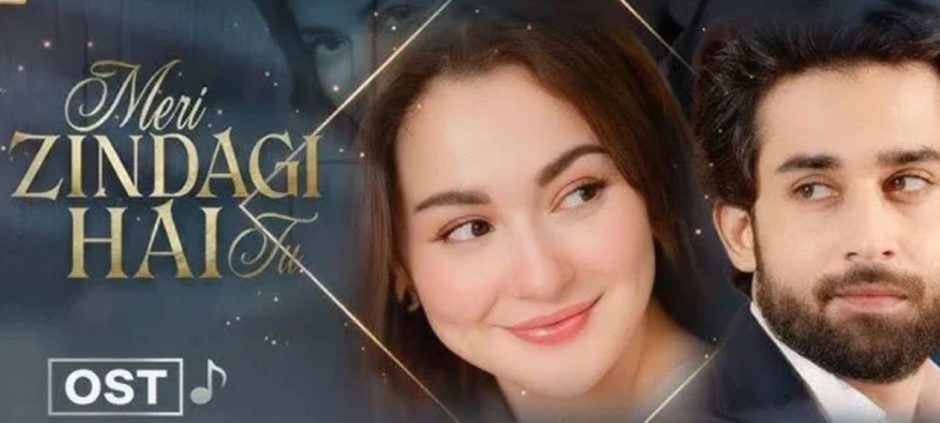
The first-time pairing of Hania Aamir and Bilal Abbas Khan, two of Pakistan’s most bankable stars, instantly sparked curiosity. Add ARY Digital’s prime-time slot and a high-profile creative team, and the hype practically wrote itself.
Instead of becoming just another hit, the drama turned into a national talking point, debated on TV shows, dissected on X (Twitter), and endlessly clipped on YouTube.
This blog explores everything: the story, the hype, the backlash, the viral moments, and what this drama reveals about today’s Pakistani audience.
Drama Overview: Story, Cast, And Creative Team
Before opinions took over, Meri Zindagi Hai Tu cast and story laid the foundation.
At its core, the drama revolves around intense emotional attachment, blurred boundaries, and a relational story that struggles to define itself as healthy or harmful. The narrative avoids simple good-vs-bad labels and instead leans into emotional complexity, a choice that later fueled debate.
The central characters are layered, flawed, and emotionally driven. Bilal Abbas Khan’s role portrays a man whose devotion often crosses into fixation, while Hania Aamir’s character reflects emotional vulnerability, confusion, and resistance.
Produced under a major banner and aired on ARY Digital prime-time, the drama premiered amid high anticipation, and immediate scrutiny.
And that’s where things started to get interesting.
Pre-Release Buzz And Sky-High Audience Expectations
Long before episode one aired, the Meri Zindagi Hai Tu teaser reaction told its own story.
Short clips, dramatic background scores, and carefully curated scenes flooded social media. Fans praised the chemistry even before seeing the full context. Comparisons with other upcoming ARY dramas 2025 were unavoidable.
Why were expectations so high? Because:
- Both leads had strong recent performances
- The writer’s past work set a quality benchmark
- Viewers expected emotional depth, not recycled tropes
The audience wasn’t just hoping for a hit, they were expecting something different.
Early Episodes Reception: Praise Mixed With Disappointment
When the first episodes dropped, reactions poured in fast. The positives were loud:
- Cinematography felt polished
- Performances were emotionally convincing
- Chemistry looked natural on screen
But criticism followed just as quickly.
Many viewers flagged drama pacing issues, while others questioned narrative choices. Critics noted that while emotions were strong, the writing sometimes leaned too heavily on repetition.
This created a visible split: fans defended the emotional intensity while critics demanded stronger storytelling discipline. The Meri Zindagi Hai Tu reviews section online became a battlefield.
The Intense Attachment Debate
This is where the drama truly ignited debate.
Viewers began questioning whether the show was normalizing fixation. Scenes involving persistent pursuit, emotional pressure, and blurred consent lines raised alarms.
The discussion around fixation and obsessive behavior in Pakistani dramas isn’t new, but it’s louder now. Audiences today are more sensitive to:
- Persistent pursuit presented as acceptable behavior
- Emotional manipulation framed as devotion
- Female discomfort normalized for dramatic tension
Meri Zindagi Hai Tu controversy became a symbol of this larger cultural shift. And once the debate started, it refused to slow down.
Public Figures Speak Out: Critics, Hosts, And Industry Voices
The conversation moved beyond fans.
TV host and critic Nadia Khan openly criticized the drama, questioning its messaging and impact. Her remarks sparked further debate, not just about the show, but about accountability in storytelling.
Meanwhile, director Danish Nawaz offered indirect responses, emphasizing creative freedom and audience interpretation. This clash highlighted an important distinction:
- Constructive critique vs emotional outrage
- Analysis vs cancellation culture
The role of Pakistani drama critics’ reaction proved powerful in shaping public opinion.
Viral Scenes, Plot Twists, And The OST Phenomenon
Despite criticism, the drama continued to dominate feeds.
Certain emotional scenes went viral overnight. Dialogue clips circulated far beyond the original episodes. Even Hania Aamir reacted publicly to plot twists, adding fuel to fan discussions.
Then came the music.
The Meri Zindagi Hai Tu OST, sung by Asim Azhar, became a phenomenon of its own. It climbed Spotify charts and played endlessly on reels, TikToks, and Instagram stories. Interestingly, Asim Azhar himself reacted to Hania’s presence in the drama, a moment that added another layer to the show’s visibility.
Music didn’t just support the drama. It expanded its reach.
Social Media Reactions: Fans, Critics, And Online Wars
If television lit the spark, social media turned it into wildfire.
On X, Reddit, and YouTube:
- Fans defended character motivations
- Critics posted long threads dissecting scenes
- Meme culture exploded around dialogues
The Pakistani drama Twitter reaction showed generational divides. Younger viewers demanded healthier narratives, while older audiences leaned toward emotional intensity.
Cross-border viewership also grew, pulling in Indian and diaspora audiences curious about the debate.
Repeated Patterns In Pakistani Dramas: Is This Really New?
At some point, a bigger question emerged.
Is Meri Zindagi Hai Tu actually doing something new?
Pakistan’s TV history is filled with intense attachment arcs. The industry often returns to what works, especially when ratings respond positively.
This raises concerns about some facts: repetitive drama storylines, audience fatigue, and creative comfort zones. Yet, the ratings argument remains strong. Controversial content often keeps viewers hooked.
Is The Controversy Accidental Or Strategic? An Industry Analysis
Here’s the uncomfortable question.
Does controversy help?
Talk shows discussing scenes. Clips trending daily. Critics debating ethics. All of it keeps the drama visible.
Whether intentional or not, Pakistani media controversy often boosts engagement. But that doesn’t erase ethical responsibility. Creators, platforms, and broadcasters must ask:
- Are we starting conversations or normalizing harmful behavior?
- Where does creative freedom meet social impact?
This debate may matter more than the drama itself.
Cultural Impact Of Meri Zindagi Hai Tu
Perhaps the most important takeaway lies with the audience. The intense reactions reflect: changing expectations, growing awareness, and demand for healthier storytelling.
The Pakistani audience mindset is evolving. Viewers don’t just consume content anymore, they question it. And that, in itself, signals progress.
A Drama That Sparked More Conversation Than Consensus
Not every drama needs universal approval to matter.
Meri Zindagi Hai Tu analysis shows a project that is flawed, famous, and undeniably impactful. It entertained, triggered debate, and forced the industry to confront uncomfortable questions.
For creators, it’s a lesson.
For audiences, it’s a reflection.
For Pakistani television, it’s a turning point.
Want to understand the journey and background of its leading man? This detailed profile offers deeper insight.
If nothing else, Meri Zindagi Hai Tu proved one thing, Pakistani viewers are ready for conversations that go beyond ratings.
Frequently Asked Questions
Q. Is Meri Zindagi Hai Tu based on real events?
No, the drama is fictional, but it reflects common social and emotional dynamics in Pakistan.
Q. Why did Meri Zindagi Hai Tu spark controversy?
Critics focused on intense attachment and fixation behaviors portrayed as normal or acceptable.
Q. Is the drama still popular despite criticism?
Yes. Viral scenes, strong OST performance, and continued social media debates kept it trending.
Q. Did the controversy affect the actors’ image?
Instead of harming them, the debate increased visibility for both leads, especially online.