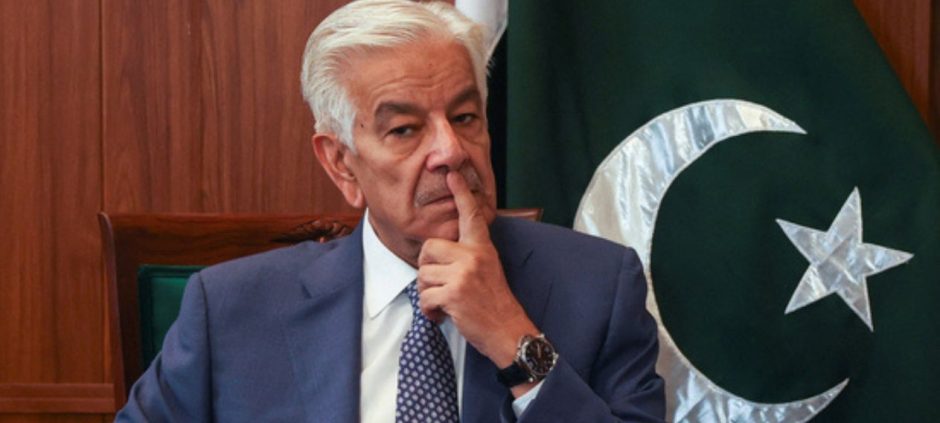
The PIA privatisation process has taken centre stage in Pakistan’s economic reform discourse, with Defence Minister Khawaja Asif sharply criticising the bureaucracy for the decline of state‑run enterprises and calling for stronger accountability as the landmark deal advances.
Addressing the media on Wednesday, Asif linked the diminishing performance of Pakistan International Airlines (PIA) and other public sector entities to systemic bureaucratic inefficiencies and corruption. “It is the bureaucracy who eat the real meat,” he said, alleging that officials had “polluted our land” and sought refuge abroad after looting public wealth.
His remarks came as a consortium led by Arif Habib successfully won the bid for a 75% stake in PIA for Rs135 billion, part of a privatisation strategy aligned with the government’s IMF‑linked reform programme. AP News+1 Under this deal, new private ownership is expected to inject capital, modernise operations, and expand the airline’s fleet over coming years.
Experts see the PIA privatisation deal as a pivotal moment for Pakistan’s commercial reform agenda. Analysts say it signals the government’s intent to shrink its operational footprint and boost investor confidence after decades of loss and mismanagement that left PIA heavily indebted and operationally inefficient.
In highlighting reforms, industry commentators have examined possible turnaround plans for PIA’s services and structure. Here is a detailed projections on what key reforms the airline might see under new management, such as fleet expansion and service improvements.
However, not all reactions have been positive. Critics argue that privatisation alone cannot fix PIA’s deep‑rooted operational issues without broader governance reforms. Some regional officials, including K‑P’s finance adviser, have publicly criticised the sale, saying it risks undermining national pride and control.
As PIA privatisation moves into implementation, calls for bureaucratic accountability and structural reforms are likely to intensify, shaping the future of one of Pakistan’s most symbolic public institutions.