Sometimes, a single headline quietly signals a bigger shift.
For Pakistan, the news that three bids have been received for PIA privatisation isn’t just about selling an airline. It’s about credibility, economic reform, and whether long-delayed promises can finally move forward.
After years of losses, failed attempts, and political hesitation, PIA privatisation has entered a decisive phase, one that could reshape the future of the national carrier and send a strong message to investors watching Pakistan closely.
And this time, the process looks very different.
A Critical Moment For PIA Privatisation In Pakistan’s Economic Reset
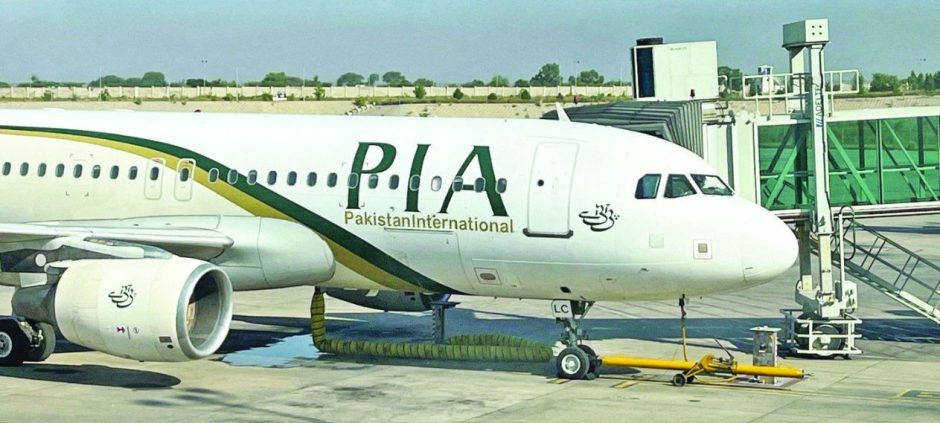
Pakistan International Airlines has long been a symbol of national pride and national burden.
For years, the airline has struggled with mounting losses, ballooning debt, operational inefficiencies, and governance issues. Multiple governments promised reform. Few delivered results.
Now, under intense economic pressure and IMF-backed reform commitments, PIA privatisation Pakistan has shifted from a political slogan to an unavoidable necessity.
This renewed push is part of a wider effort to fix loss-making state-owned enterprises and stabilize public finances. The government formally launched the auction phase earlier this year, opening the door to private ownership under a structured and transparent framework.
That process officially began with the auction announcement, as reported in this update on the start of the sale process.
And then came the development many were waiting for.
A line has been crossed.
The Big Development: PIA Privatisation 3 Bids Submitted
Here’s the headline moment.
The government has received three formal bids for the privatisation of PIA, a milestone that immediately separates this attempt from earlier failures.
In past efforts, investor hesitation, unclear terms, and political noise often scared bidders away. This time, three separate consortia submitted bids, signalling renewed confidence in the process and its structure.
These PIA privatisation bids confirm that serious players are willing to put money on the table, not just observe from the sidelines.
More importantly, the presence of multiple bids introduces competition, which strengthens price discovery, transparency, and negotiating leverage for the state.
In simple terms:
This is no longer a one-horse race.
Who’s In The Race: A Closer Look At The PIA Privatisation Bidders
So who exactly wants to buy Pakistan’s national airline?
Let’s break it down.
These bidders are not speculative names. They represent deep capital, corporate credibility, and in one case, direct aviation experience.
Before we look at them individually, it’s important to note that all bidders passed the government’s pre-qualification criteria, ensuring financial strength and operational capability.
Here’s who stepped forward.
Lucky Cement–Led Consortium
One of Pakistan’s largest conglomerates, the Lucky Cement consortium, brings scale, financial muscle, and diversified business experience.
Known for disciplined management and long-term investments, the group’s interest adds credibility to the process. Their involvement suggests confidence in the restructuring roadmap and future profitability potential of PIA.
Arif Habib Corporation Group
The Arif Habib PIA bid comes from a well-established investment group with deep exposure to Pakistan’s capital markets, energy, and infrastructure sectors.
This group understands regulatory environments and large-scale turnarounds, an essential skillset for an airline restructuring of this magnitude.
Airblue As A Strategic Aviation Player
Perhaps the most interesting entry is Airblue, a private airline with hands-on operational experience in Pakistan’s aviation sector.
Unlike pure financial investors, Airblue brings industry knowledge, route optimization experience, and operational efficiency, factors that could accelerate PIA’s turnaround if the bid succeeds.
Together, these bidders reflect a mix of private investors Pakistan aviation needs: capital, credibility, and operational know-how.
Transparency At The Core Of PIA Auction Process
One of the strongest criticisms of past privatisation efforts was opacity.
This time, the government took a different route.
The PIA auction process was conducted through sealed bids, opened publicly under the supervision of the Privatisation Commission. The opening was broadcast live, reinforcing confidence that the process wasn’t happening behind closed doors.
This televised privatisation Pakistan approach aimed to neutralize speculation, political allegations, and credibility gaps that previously derailed similar deals.
In short, the message was clear:
No shortcuts. No surprises.
Why Only Three Bids? Withdrawals And Strategic Calculations
Naturally, many asked: if interest was strong, why only three bids?
The answer lies in strategic decisions rather than lack of interest.
One notable withdrawal came from Fauji Fertiliser Company, which opted not to submit a bid despite initial participation in the process.
Such withdrawals are common in large-scale transactions. Groups reassess risk, valuation expectations, regulatory timelines, and long-term exposure, especially in aviation, a capital-intensive and sensitive industry.
While fewer bidders reduce numerical competition, the presence of three credible offers still maintains pressure on pricing and terms.
In fact, some analysts argue that fewer but stronger bidders improve deal quality rather than dilute it.
What Exactly Is The Government Selling?
Privatisation deals often confuse readers, and understandably so.
Let’s simplify.
Under the current plan, the government is selling a 75 percent stake in PIA, granting management control to the successful bidder. The remaining 25 percent stays with the state, with an option for future sale under agreed conditions.
This structure balances private control with regulatory oversight, ensuring aviation safety, national obligations, and consumer protection remain intact.
Key elements include:
- Majority ownership transferred to private investors
- Clearly defined payment timelines
- Continued government regulatory role
- Flexibility for future ownership adjustments
This PIA ownership structure is designed to attract serious investors while safeguarding public interest.
What About Employees? Job Security And PIA Staff Safeguards
No PIA story is complete without addressing employees.
Thousands of families depend on the airline. And public concern around layoffs has historically fueled resistance to privatisation.
This time, the government has offered clear assurances.
Under the current framework, PIA employees job security is protected for at least 12 months post-privatisation. Existing pensions, benefits, and employment terms are safeguarded during this transition period.
While long-term restructuring may evolve, the immediate aim is stability, not shock.
This reassurance is critical for social acceptance and operational continuity.
Why This Attempt Feels Different: IMF Pressure And Investor Confidence
So what changed?
Two words: structure and pressure.
Pakistan’s agreement with the IMF includes commitments to reform state-owned enterprises, including PIA. This external accountability has reduced policy reversals and increased follow-through.
The IMF’s approval has also improved investor confidence, signaling macroeconomic discipline and reform seriousness.
Add to that financial cleanup, clearer terms, and improved transparency, and suddenly, PIA privatisation looks less risky and more realistic.
That combination explains why this round attracted PIA privatisation 3 bids, not silence.
What Happens Next: Bid Opening, Evaluation & Decision Timeline
Now comes the careful part.
The submitted bids will undergo technical and financial evaluation by relevant authorities. This includes assessing price, compliance, business plans, and long-term viability.
Once evaluations conclude, the government is expected to announce a preferred bidder, followed by negotiations and regulatory approvals.
This timeline also aligns with the broader state-owned enterprise reform roadmap. For now, patience matters more than speed.
What This Means For Pakistan’s Economy And Aviation Sector
This isn’t just about one airline.
A successful PIA sale would reduce fiscal pressure, improve service standards, and restore confidence in Pakistan’s reform agenda. It would also set a precedent for other SOE privatisations waiting in line.
More importantly, it sends a signal: Pakistan can execute complex economic reforms, if it chooses to.
Where This Road Leads Next
The arrival of three bids for PIA privatisation marks more than procedural progress.
It reflects growing investor confidence, external discipline, and a willingness to confront long-standing economic challenges. Whether this momentum converts into a successful deal will shape not just PIA’s future, but Pakistan’s credibility in global markets.
For now, the message is cautiously optimistic.
If you want to stay updated on how PIA privatisation unfolds and what it means for Pakistan’s economy, keep following credible policy and business coverage, because this story is far from over.
Frequently Asked Questions
Q. Is PIA being sold completely?
No. The government is selling a 75% stake, retaining a minority share for oversight.
Q. Will ticket prices increase after privatisation?
Not immediately. Prices remain regulated under aviation authorities, though service quality may improve.
Q. Can foreign investors buy PIA?
Yes, subject to regulatory approvals and national aviation laws.
Q. What happens if bids are rejected?
The government may revise terms or relaunch the process, though current momentum suggests progress.
Q. Will PIA routes change after privatisation?
Operational changes may happen over time, but national and strategic routes remain protected.