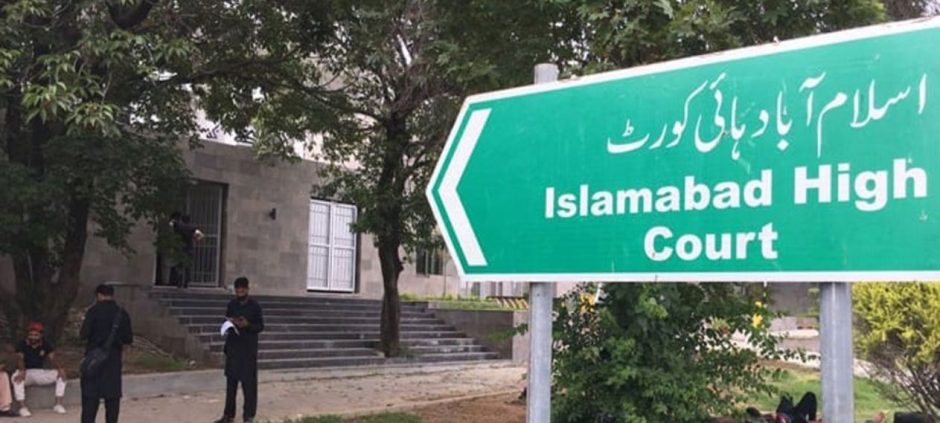
Thinking of challenging a wrong, seeking justice, or just curious how our courts really work? If you’ve ever wondered how to approach legal issues and file petitions in Islamabad, the journey begins with one powerful name, the Islamabad High Court.
Whether you’re a first‑timer or simply want to understand how verdicts and legal changes are unfolding, this guide will walk you step by step.
What Is the Islamabad High Court & Why It Matters
The Islamabad High Court (IHC), also referred to as High Court in Islamabad, is a major pillar of the legal system in Pakistan. It’s part of the broader Pakistan Judiciary that hears civil, criminal, constitutional, and administrative cases for the Islamabad Capital Territory (ICT) and other jurisdictions as allowed by law.
IHC handles a wide range of matters: from personal petitions and civil disputes to public interest cases and constitutional challenges. Many rely on the Court for justice, review, or legal clarity.
How To Approach Legal Issues And File Petitions in IHC
Facing a legal problem, be it civil, constitutional, or administrative, and want to file a petition in IHC? Here’s a clear path:
Steps to File a Petition / Case
Before you move forward, ensure your paperwork and approach are correct.
- Draft your petition carefully. It should include your CNIC copy, detailed facts or complaint, supportive documents, any required affidavits, and, if using a lawyer, a proper vakalatnama (power of attorney). For employment or service‑related issues, attach proof such as appointment letters, termination letters, salary slips, or internal notices.
- Prepare required sets (original plus copies), place proper court‑fee stamps, index and title page.
- Engage an Advocate enrolled with the Islamabad Bar if you cannot present yourself. Many legal issues, especially complex ones, are best handled through qualified lawyers.
Visit the IHC registry within working hours (check IHC website or notice-board for timing). For urgent matters, file early, urgent cases often demand prompt submission.
Modern Facilities: E‑Court & Online Case Systems
Good news: IHC has embraced digital transformation. Through its E‑Court System / Online Case Flow Management, litigants and lawyers can request hearings via video link, track case status, access cause lists, download judgments or orders, and even check hearing calendars.
This means you don’t always need to travel to Islamabad, which is especially helpful for people from other cities or remote areas.
Recent Verdicts & Major Changes in Islamabad High Court’s Legal Landscape
The Islamabad High Court has been at the center of some of Pakistan’s most significant legal developments in recent years. These verdicts and reforms affect not just lawyers but ordinary citizens seeking justice.
High Case Disposal and Efficiency Improvements
In 2024, IHC handled 10,571 cases, reflecting a serious effort by judges to reduce backlog and ensure faster delivery of justice. This highlights the Court’s role in improving efficiency and accessibility within the legal system in Pakistan.
Limiting Misuse of Judicial Powers
A landmark ruling on September 29, 2024, clarified that executive magistrates cannot exercise judicial powers in Islamabad. Only courts can perform judicial functions. This decision reinforces citizen protection and constitutional safeguards, demonstrating the accountability of the Pakistan Judiciary.
Internal Reforms and Practice Rules
In 2025, the Court approved new Practice and Procedure Rules, aiming to streamline case handling and administrative processes. Some judges expressed concerns about the legality of these rules, sparking debates on internal governance and authority within the High Court in Islamabad.
Tussle with Supreme Court Oversight
Several judges have approached the Supreme Court over administrative decisions made by the Chief Justice of IHC. This highlights the evolving relationship between Supreme Court vs Islamabad High Court authority, and how checks and balances are maintained in Pakistan’s judicial framework.
These developments show that the IHC is not static, it is adapting, reforming, and modernizing, with a focus on digital tools, case management, and transparency, all of which directly impact how citizens approach legal issues in Islamabad.
Why These Developments Matter For You
These updates aren’t just “legal drama”, they carry real implications for people seeking justice in Pakistan.
Faster case disposal and digital access (E‑Court, online status, live‑streaming, judgments online) mean you can move legal matters more efficiently, without endless waiting or travel costs.
Court rulings restraining misuse of judicial power protect ordinary citizens from abuse, ensuring fair process under the Constitution.
Internal reforms and legal debates within IHC reflect a system grappling with transparency for you, it could mean better clarity on where to file, what to expect, and how to engage legally.
The tussle between Court administration and judges shows that legal advice in Pakistan must now account not just for relevant laws and evidence, but evolving court procedures and institutional policies.
Moving Forward With Confidence
These moves, from bulk case disposal to digital transformation and internal rule changes, show that the IHC is slowly evolving. For you, the takeaway is simple: the doors to justice are becoming more accessible. But with changing procedures, it’s smart to stay informed, get legal advice, and use the system confidently when needed.
If you plan to raise a legal issue, challenge injustice, or simply understand your options, start with the Islamabad High Court. Use its online tools, prepare your petition carefully, and don’t hesitate to consult a reliable lawyer.
And if you want more practical guidance, sample petition formats, step-by-step filing checklist, or tips for using IHC’s online systems, check this guide for a complete walkthrough.
Frequently Asked Questions
Q: Can I file a petition in IHC from outside Islamabad?
Yes, thanks to the E‑Court and online systems, you (or your lawyer) can submit a petition and attend hearings via video link if permitted. This reduces travel and cost burdens.
Q: What documents do I need to start a petition?
Typically: CNIC, detailed written petition, supporting documents (employment letters, notices, proofs), affidavit, court‑fee stamp, and if using a lawyer, a vakalatnama. For employment or service‑related petitions, include salary slips, termination or appointment letters, etc.
Q: Where can I check the status of my IHC case?
You can use the IHC official website or mobile app to search by case number, name, or CNIC. Cause lists, next hearing dates, judgments, and copy‑status are all accessible online.
Q: Is there transparency on IHC judgments and court orders?
Yes, IHC uses a Case Law Management System (CLMS) and an online library. Many judgments, orders, and court proceedings are uploaded or available for download.
Q: What if I don’t have a lawyer?
You can file on your own, but complex or high-stakes cases (constitutional petitions, civil litigation, public interest, administrative matters) are often better handled by a qualified IHC‑enrolled lawyer.