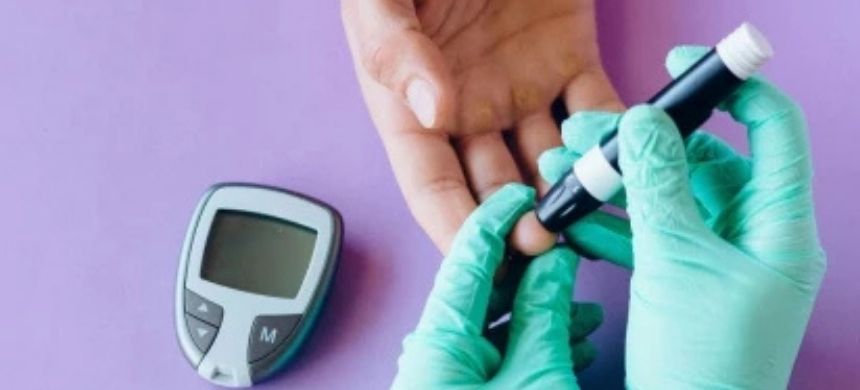
Pharmaceutical companies in Pakistan have introduced advanced GLP-1 and GIP-based medicines to manage the country’s rising diabetes and obesity crisis. With nearly one in three adults affected by high blood sugar, Pakistan ranks among the world’s most impacted nations. According to recent data from government sources, WHO, and the IDF, about 34.5 million people in Pakistan live with diabetes, while over nine million remain undiagnosed. Additionally, a large percentage of women and men are overweight or obese, significantly increasing the risk of developing type 2 diabetes.
Industry experts state that local manufacturers are now producing these advanced treatments domestically, reducing dependence on expensive imports. Previously, imported medications were sold at very high prices, making them unaffordable for many patients. The locally produced versions are now available at much lower rates, improving accessibility for patients across the country.
These medications work by increasing insulin production, slowing digestion, and reducing appetite. Some advanced formulations combine dual GIP and GLP-1 effects for better blood sugar control and weight management. Medicines such as Ozempic, Zeptide, and Mounjaro are available in injectable form and are administered weekly under medical supervision, while tablet options may be prescribed for daily use.
Health experts emphasize that medication must be combined with lifestyle improvements, a balanced diet, and regular exercise to effectively control diabetes and obesity.
Read more: Pakistan Ranks Highest Globally in Diabetes Prevalence