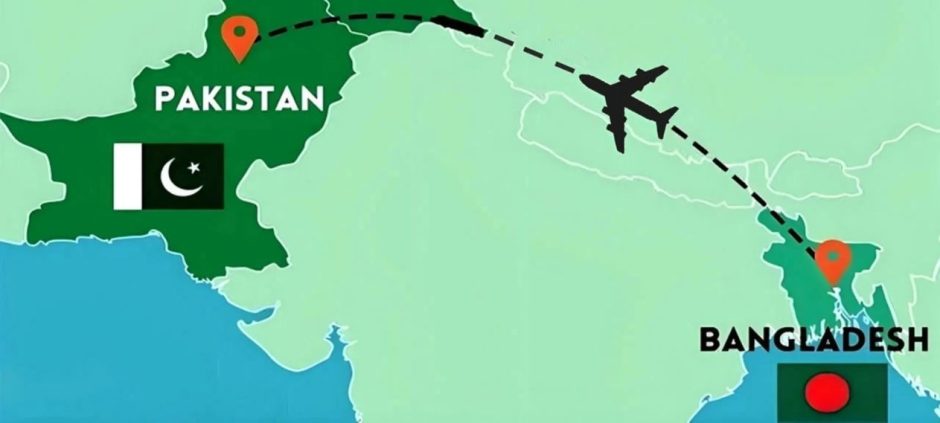
Pakistan has officially approved direct flights for Bangladeshi airlines, allowing Biman Bangladesh Airlines to resume operations between Dhaka and Karachi after years of limited air connectivity, aviation officials said Friday. This decision marks a significant step in strengthening Pakistan‑Bangladesh air links and regional connectivity.
The Civil Aviation Authority (CAA) of Pakistan has granted permission to Biman Bangladesh Airlines to operate direct passenger flights on the Dhaka‑Karachi route. The approval is initially valid until March 30, 2026, after which it will be reviewed based on operational outcomes and bilateral cooperation.
Under the agreement, Biman will be authorized to use Pakistan’s airspace along approved routes and has been allocated dedicated slots at Karachi Airport to facilitate smooth operations. Airlines must submit full flight details to airport authorities before departure, officials said.
Aviation experts and diplomats see the resumption of direct flights as a milestone in improving people‑to‑people contacts, tourism, and business travel between the two nations. Both sides have been working on restoring civil aviation links in recent months, following meetings between Pakistan and Bangladesh aviation authorities and discussions to expand routes beyond Karachi and Dhaka.
The move comes amid broader regional developments. For instance, unrest triggered by the death of a prominent Bangladeshi figure recently sparked protests in Bangladesh, highlighting ongoing socio‑political dynamics in the country. This context underscores why improved connectivity could support easier travel for families and business communities across borders.
Industry observers noted that private airlines such as Fly Jinnah and AirSial have previously received approvals from Bangladeshi authorities to operate on Pakistan‑Bangladesh routes, indicating mutual interest in broader aviation ties.
As Pakistan approves direct flights for Bangladeshi airlines, expectations are high that smoother travel will pave the way for deeper economic cooperation, cultural exchange, and enhanced regional relations in 2026 and beyond.