Pakistan’s automobile industry is expected to undergo a major transformation as the federal government prepares to introduce a new Auto Policy aimed at attracting billions of rupees in investment, strengthening local manufacturing, and encouraging the use of cleaner transportation.
The policy is currently in its final stage and is expected to be announced during the first week of August 2026 after the government completes its final tax-related discussions with the International Monetary Fund (IMF).
The policy was delayed by about a month due to ongoing consultations between the IMF and several government departments. One of the key proposals under discussion is reducing the sales tax on locally assembled cars up to 800cc from 18% to 12.5%. However, the IMF has raised concerns about the proposed tax cut because of its possible impact on government revenue.
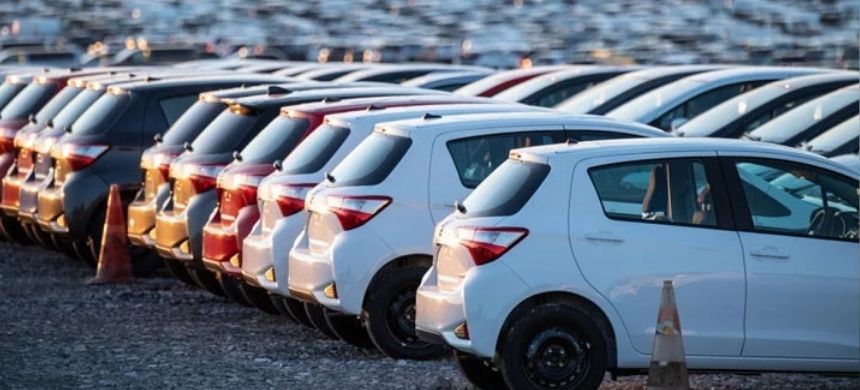
If approved, the reduction in sales tax could lower the prices of small locally assembled cars, including popular entry-level models such as the Suzuki Alto. In the short term, the biggest price benefit is expected for smaller cars, while larger cars above 800cc and imported models are unlikely to see significant changes immediately.
Officials believe that over the long term, increased local production, greater localization of parts, and stronger competition among manufacturers could help reduce car prices across multiple segments.
The Ministry of Finance, Ministry of Commerce, Federal Board of Revenue (FBR), Ministry of Science and Technology, and Ministry of Law are jointly finalizing the tax structure. The government is also negotiating a five-year tax framework with the IMF to ensure the policy supports long-term industry growth while remaining financially sustainable.
Beyond tax reforms, the new Auto Policy is expected to encourage both local and foreign investment, create thousands of new jobs, and introduce modern manufacturing technologies to Pakistan.
Another important feature of the policy is the adoption of UN Regulation 62 safety standards. All newly manufactured cars will be required to meet these internationally recognized safety requirements, improving passenger protection and overall car quality.
The policy also highlights Pakistan’s commitment to environmentally friendly transportation. The government plans to promote the local production and use of hybrid and plug-in hybrid cars, while gradually reducing dependence on petrol- and diesel-powered cars as part of its long-term clean mobility strategy.
Also Read: 4 Best Affordable Cars in Pakistan for 2026