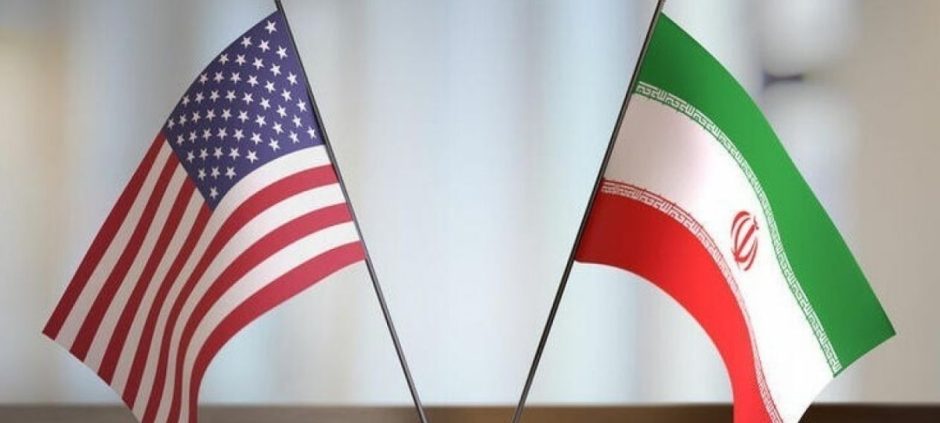
The latest round of US-Iran negotiations has ended without agreement after 21 hours of intense discussions. The high-level talks were held behind closed doors and aimed to reduce tensions between the two countries. However, both sides failed to bridge key differences.
Speaking at a press conference, JD Vance said the United States had clearly outlined its conditions from the beginning. He explained that some points were open to compromise, but others were not negotiable. According to him, Iran chose not to accept those terms, leading to the collapse of the US-Iran talks.
The main issue in the US-Iran discussions was Washington’s demand for strict guarantees on Iran’s nuclear program. The United States wants clear assurance that Iran will not develop nuclear weapons. It also insists that Iran should not acquire the technology needed for such capabilities.
JD Vance emphasized that preventing nuclear weapons development remains a top priority for US policy. He said diplomacy was used as a tool to achieve this goal. However, the outcome did not meet expectations after long hours of negotiation.
Iran, on the other hand, reportedly rejected these conditions. Officials believe Tehran is not ready to commit to permanent restrictions on its nuclear activities. Iran has also raised concerns about sanctions and its rights under international agreements. These differences created a major gap between both sides during the US-Iran talks.
During the briefing, Vance did not disclose all details of the discussions. He said the negotiations were sensitive and could not be fully shared with the public. Still, he confirmed that the lack of agreement reflects deep mistrust between the two nations.
He also claimed that Iran’s previous uranium enrichment capabilities had been reduced. However, he questioned whether Iran is willing to fully abandon nuclear ambitions in the future. According to him, there is no clear indication of such commitment so far.
Experts say the failure of the US-Iran talks could increase tensions in the region. The absence of a deal after such long discussions shows how complex the issue remains. It also raises concerns about future diplomatic efforts.
In other news read more about: US-Iran Talks End Without Deal After 21 Hours of Intense Negotiations in Islamabad
Despite the setback, analysts believe dialogue is still important. They say continued engagement may help avoid further escalation. For now, the collapse of the US-Iran negotiations highlights the challenges in reaching a lasting solution.